Noticing your Snake Plant's leaves turning soft can be worrying, but it's a common issue with clear solutions. Many indoor plant enthusiasts encounter this problem at some point, especially when caring for these resilient yet sensitive plants. Rest assured, soft or limp leaves are often signs that something needs adjusting in your plant's environment or care routine. In this article, we'll explore why your Snake Plant's leaves are soft, how to diagnose the problem, and practical ways to restore its health. With a little patience and attention, your Snake Plant can bounce back and continue to add beauty to your space.
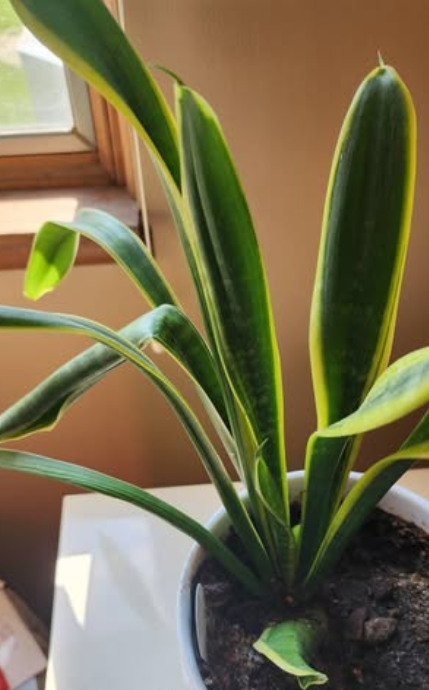
Understanding the Problem
Visual Identification of Soft, Limp Leaves
A healthy Snake Plant (Sansevieria) typically features stiff, upright, and firm leaves that stand tall even without support. When its leaves become soft, you'll notice they feel limp, floppy, or even droopy. Sometimes, they may appear discolored or exhibit spots, but the key indicator is the loss of firmness. This softness can happen gradually or suddenly, often signaling an underlying issue.
Common Causes Behind Soft Leaves
Several factors can cause a Snake Plant's leaves to become soft. The most common include:
- Overwatering, leading to root rot and poor water uptake
- Inadequate light, resulting in weak or spindly growth
- Environmental stress, such as temperature fluctuations or drafts
- Pest infestation or disease, compromising plant health Understanding these reasons is the first step in addressing the problem effectively.
Diagnosing the Exact Cause
Step-by-Step Process to Identify Why Your Snake Plant’s Leaves Are Soft
Cause 1: Overwatering Leading to Root Rot
Symptoms: Soft, mushy leaves, often accompanied by a foul smell from the soil. The plant may also appear generally unhealthy, with discolored or blackened roots if examined. Diagnostic tip: Carefully remove the plant from its pot and inspect the roots. Healthy roots are light-colored and firm, while rotted ones are brown, black, and mushy.
Cause 2: Insufficient or Improper Lighting
Symptoms: Thin, elongated, or weak stems with soft leaves that tend to bend or fall over. Lack of proper light hampers the plant’s ability to produce strong structural tissue. Diagnostic tip: Observe the plant’s current placement. Is it near a window with adequate indirect sunlight? If it’s located in a dim corner, poor lighting could be the culprit.
Cause 3: Sudden Temperature Changes or Drafts
Symptoms: Soft, drooping leaves that seem to wilt after exposure to cold drafts, heaters, or air conditioning. Diagnostic tip: Check the environment for temperature fluctuations or drafts that might stress the plant.
How to Tell Which Cause Applies to Your Plant
- If the roots are rotted and the soil feels soggy, overwatering is likely the cause.
- If the plant is leggy or stretched, it may be lacking light.
- If leaves soften after exposure to cold or drafts, environmental stress may be responsible.
Treatment Solutions
Immediate Actions
- Adjust watering habits: Ensure you are not watering too frequently. Snake Plants prefer extremely well-draining soil and infrequent watering—once every 2-6 weeks, depending on conditions.
- Ensure proper drainage: Check that the pot has drainage holes and that excess water can escape.
- Move to appropriate light: Place your Snake Plant in bright, indirect sunlight for robust growth. If indoors, near a sunny window is ideal.
Long-term Care
- Repot if necessary: If root rot is confirmed, gently remove the plant, trim away infected roots with sterilized tools, and repot in fresh, well-draining soil.
- Pruning damaged leaves: Cut away soft, yellow, or rotten leaves to encourage healthy new growth.
- Improve humidity and environment: Keep the plant away from drafts, heating vents, or cold windows, maintaining a stable temperature around 65-85°F (18-29°C).
Monitoring Recovery
- Keep observing your Snake Plant for signs of improvement:
- Leaves gradually firming up
- New, healthy growth appearing
- Overall plant stability
- Be patient—recovery may take a few weeks with consistent care.
Prevention Tips
Establish a Consistent Watering Routine
- Water only when the top inch of soil feels dry.
- Reduce watering frequency during winter when the plant's growth slows.
Provide Optimal Lighting Conditions
- Place your Snake Plant near an east or west-facing window for bright indirect light.
- Use grow lights if natural light is insufficient.
Maintain Stable Temperature and Humidity
- Keep the plant in a room with steady temperatures between 65-85°F (18-29°C).
- Avoid placing it near drafts, heaters, or air conditioners.
Regular Inspections and Early Intervention
- Check weekly for signs of pests, disease, or environmental stress.
- Address any issues promptly to prevent worsening.
Conclusion
Recap of the causes, diagnosis, and remedies for soft Snake Plant leaves: The softness of your Snake Plant's leaves can stem from overwatering, inadequate lighting, environmental stress, or a combination of these factors. By carefully diagnosing the issue—inspecting the roots, assessing lighting, and observing environmental conditions—you can determine the right course of action. Implement targeted treatments such as adjusting watering, repotting, or relocating your plant, and establish good care habits to prevent recurrence. With attentive care, your Snake Plant can recover and continue to thrive, bringing lush greenery and elegance to your indoor space. Take the first step today by assessing your plant's condition, making the necessary changes, and watching it flourish anew.
FAQs
Q: How long will it take for my Snake Plant to recover after treatment?
A: Recovery time varies depending on the severity of the issue. Typically, you can start seeing signs of improvement within a few weeks, such as leaves firming up and new growth appearing. Maintaining consistent care and avoiding further stressors will speed up the process.
Q: Can I save a severely root-rotaffected plant?
A: Yes, it’s possible. Carefully remove the plant from its pot, trim away all rotted roots with sterilized tools, and repot in fresh, well-draining soil. Ensure proper watering and environmental conditions afterward. While it may take time, many Snake Plants can recover from severe root rot if caught early.
Q: Should I prune the soft leaves or leave them to see if they firm up?
A: It’s best to prune away severely softened or rotting leaves to prevent decay from spreading. Use sterilized scissors or pruning shears, cut just above the base, and discard the damaged parts. Healthy leaves are a good indicator of recovery, so pruning encourages new, robust growth.
If your Snake Plant’s leaves are soft, don’t panic. With careful diagnosis and attentive care, you can restore its health and enjoy its natural beauty for years to come!