Discover why your ZZ plant stems turn brown and learn effective solutions and prevention tips to keep your plant healthy and vibrant.
Introduction
Noticing brown tips or stems on your ZZ plant can be worrying, especially when you’ve invested time and care into keeping it healthy. Many indoor plant enthusiasts, whether beginners or seasoned gardeners, encounter this common issue. The good news is that brown stems are often a sign that your plant needs a little adjustment in its care routine rather than a sign of imminent death.
In this article, we'll explore the main causes behind brown tips on ZZ plant stems, how to diagnose the problem accurately, and practical solutions to restore your plant’s health. With patience and proper care, you can reverse this issue and enjoy a lush, thriving ZZ plant for years to come.
Section 1: Understanding the Problem
Visual identification of brown stems and tips
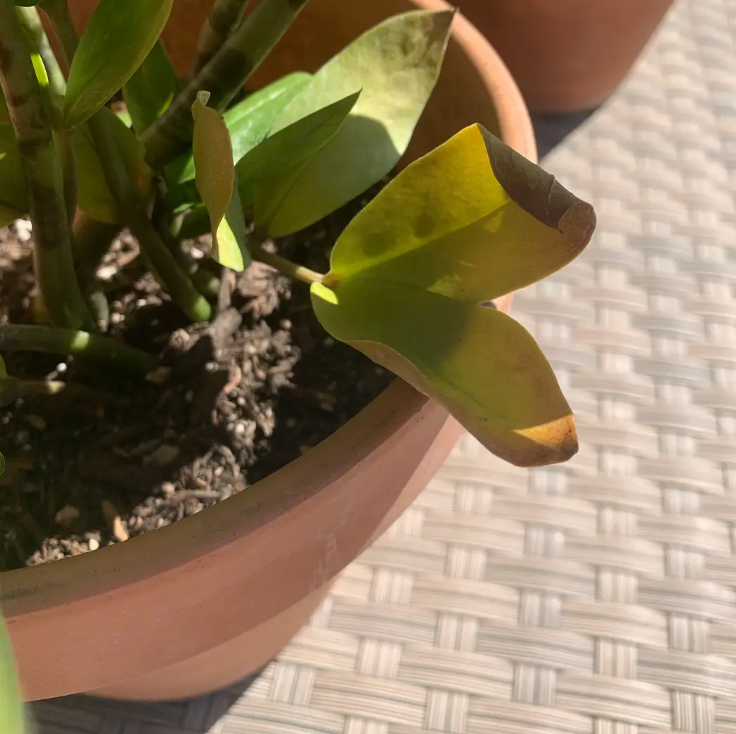
Brown tips on ZZ plant stems typically appear as dry, crispy, or darkened areas along the stems or at the ends. Sometimes, the browning might start subtly, appearing as small spots or discoloration, before spreading further. The stems themselves may feel brittle, and the browning can extend to the leaves or entire sections of the plant.
Common causes of brown stems on ZZ plants
Understanding the root causes helps you target the right fix. The most common reasons include:
- Overwatering leading to stem rot or root issues
- Low humidity causing dehydration and browning
- Nutrient deficiencies or improper fertilization Each of these factors can cause the plant to show signs of stress, manifesting as brown stems or tips. Identifying which applies to your plant is key to effective treatment.
Section 2: Diagnosing the Exact Cause
Step-by-step process to determine the root cause
Cause 1: Overwatering leading to stem rot or root issues
- Check the soil moisture: Is it soggy or waterlogged?
- Examine the roots: Are they brown, mushy, or foul-smelling? Healthy roots should be white or light tan and firm.
Cause 2: Low humidity causing dehydration and browning
- Feel the stems and leaves: Are they dry and brittle?
- Consider your environment: Is your indoor space dry, especially during winter months with heating systems?
Cause 3: Nutrient deficiencies or improper fertilization
- Has your ZZ plant been fertilized recently?
- Are the stems weak, and the plant looks generally unhealthy?
How to tell which cause applies to your plant
- Overwatering usually causes soft, brown stems with root rot signs.
- Low humidity results in dry, crispy stems and tips.
- Nutrient issues often manifest as overall weak growth and subtle browning. By inspecting your plant closely and considering its environment, you can pinpoint the primary cause.
Section 3: Treatment Solutions
Immediate actions: Fixing the problem quickly
- Adjust watering schedule: Allow the soil to dry out completely between waterings. Use your finger or a moisture meter to check soil dryness.
- Improve drainage: Ensure your pot has adequate drainage holes. Use well-draining soil mix suitable for succulents or ZZ plants.
- Increase humidity: Place a humidifier nearby, or set the pot on a tray with pebbles and water to create a microenvironment with higher humidity.
Long-term care: Restoring and maintaining plant health
- Fertilize appropriately: Use a balanced, diluted houseplant fertilizer during the growing season, about once a month.
- Repot if necessary: If roots are rotten, gently remove the plant, trim affected roots, and repot in fresh soil.
- Environmental adjustments: Place your ZZ plant in an area with bright, indirect light, and avoid sudden temperature fluctuations.
What to expect during recovery
- New growth should appear within a few weeks if conditions improve.
- Brown stems may not recover, but pruning them can help the plant focus energy on healthy growth.
- Keep an eye out for signs of new, healthy stems and vibrant leaves.
Section 4: Prevention Tips
Maintain a healthy environment to prevent brown stems
- Adjust watering routines: Water only when the top inch of soil feels dry.
- Ensure proper soil drainage: Use a well-draining potting mix and a pot with drainage holes.
- Monitor environmental factors: Keep humidity levels moderate and avoid placing the plant in drafts or direct heat sources.
- Regular inspection: Check your ZZ plant periodically for early signs of browning or other issues.
Additional prevention strategies
- Prune any brown or damaged stems promptly to prevent disease spread.
- Rotate the plant regularly for even growth and exposure to light.
- Keep the leaves and stems clean, removing dust and debris.
Conclusion
Recap of key causes and solutions
Brown tips or stems on your ZZ plant are often caused by overwatering, low humidity, or nutritional deficiencies. By carefully diagnosing the issue and applying targeted remedies—such as adjusting watering, improving humidity, or fertilizing—you can effectively reverse browning and restore your plant’s vitality.
Encouragement
Remember, patience and attentive care are your best tools. With proper adjustments, your ZZ plant can recover from browning stems and flourish once again, adding beauty and greenery to your indoor space.
Next steps
Start by inspecting your plant thoroughly, identify the primary cause, and implement the appropriate solutions discussed here. Establish a consistent care routine, and your ZZ plant will thank you with vibrant, healthy stems and lush foliage.
FAQ
Q: How long until I see improvement after adjusting care?
A: Typically, you can expect to see signs of recovery within 2 to 4 weeks. New growth is a good indicator that your plant is regaining health, although some brown stems may need pruning for aesthetic reasons.
Q: Can brown stems fully recover, or should I prune them?
A: Brown stems that are dry and crispy generally cannot recover and should be pruned back to promote healthy new growth. However, if the stem is still flexible and shows signs of vitality, you can try to save it by improving care.
Q: Is it safe to use natural or chemical remedies for brown stems?
A: Yes, natural remedies like cinnamon or neem oil can help prevent infections if browning is caused by disease. Chemical fungicides should be used cautiously and as a last resort, following instructions carefully to avoid damaging your plant.
By following these tips and insights, you’re well on your way to keeping your ZZ plant healthy, vibrant, and free from brown stems. Happy gardening!