Discover why your Spider Plant's leaves turn pale and learn effective solutions. Practical tips to restore vibrancy and ensure healthy growth.
Introduction
Noticing your Spider Plant’s leaves are losing their vibrant green hue can be unsettling, especially if you've been attentive to its care. Pale, yellowish, or dull leaves might raise questions about your plant’s health, but don't worry—this is often a sign that something in its environment or routine needs adjustment. As a plant enthusiast, understanding the causes behind pale leaves is the first step toward bringing your plant back to life. In this article, we'll explore why is my Spider Plant having pale leaves, how to diagnose the root cause, and what practical care tips you can follow to restore its lush, vibrant appearance. Rest assured, with some simple changes, your Spider Plant can thrive again and become a standout feature of your indoor space.
Section 1: Understanding the Problem
Visual Identification
First, it's important to recognize what pale or discolored leaves look like. Healthy Spider Plant leaves are typically deep green, arching, and glossy. When leaves turn pale, they may appear dull, yellowish, or even almost white in some cases. The color shift could be uniform across the plant or localized to certain leaves. Typical signs include:
- Pale or yellowish leaves lacking the usual lush green
- Dull, matte leaf texture
- Leaves that look faded or washed out
- Possible early leaf drop if the condition worsens
Common Causes Overview
Several factors can contribute to this issue. The most common are:
- Inadequate lighting — insufficient indirect sunlight
- Watering issues — overwatering or underwatering
- Nutrient deficiencies — lack of essential nutrients
- Low humidity — dry indoor air
- Stress or environmental shock — drafts, sudden temperature changes Understanding these potential causes helps you tailor your care routine to address the problem effectively.
Section 2: Diagnosing the Exact Cause
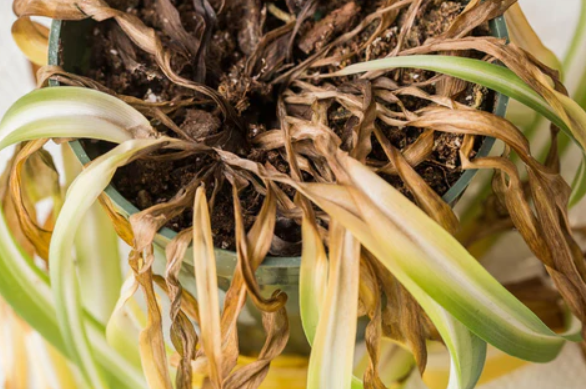
Getting to the root of why your Spider Plant’s leaves are pale involves a process of elimination. Here are step-by-step tips to help you pinpoint the cause:
Cause 1: Insufficient Light — Does Your Plant Get Enough Indirect Sunlight?
Spider Plants thrive in bright, indirect light. If placed in dim or dark corners, their leaves may lose vibrancy and turn pale. Check:
- Is your plant near a window with filtered sunlight?
- Does it receive at least 4-6 hours of indirect sunlight daily? Solution: Move your plant closer to a window with sheer curtains or provide artificial grow lights if natural light is limited.
Cause 2: Overwatering or Underwatering — Check Soil Moisture Levels
Water management is crucial:
- Overwatering: Leads to root rot, which hampers nutrient uptake, causing pale leaves.
- Underwatering: Causes dehydration, leading to leaf discoloration and drooping. How to check: Stick your finger into the top inch of soil. It should feel moist but not soggy. If soggy or dry, adjust your watering routine. Solution: Water only when the topsoil feels dry to the touch, typically once a week, and ensure proper drainage.
Cause 3: Nutrient Deficiency — Has the Plant Been Fertilized Recently?
A lack of essential nutrients like nitrogen, iron, or magnesium can cause leaves to fade in color.
- Check if you’ve fertilized your plant in the past 4-6 weeks.
- Pale leaves can indicate deficiencies, especially if the soil lacks key nutrients. Solution: Feed your Spider Plant with a balanced, water-soluble houseplant fertilizer once a month during the growing season.
How to Tell Which Cause It Is
Observe:
- Is your plant in a bright spot? If no, inadequate light may be the main reason.
- How is the soil moisture? If too wet or too dry, watering habits need adjustment.
- When was the last time you fertilized? If it’s been a while, nutritional support might help. By combining these observations, you can correctly diagnose and take targeted action.
Section 3: Treatment Solutions
Once you've identified the cause, implementing targeted solutions can help your Spider Plant bounce back.
Immediate Actions to Take
- Adjust lighting: Move the plant closer to a bright window or add grow lights.
- Correct watering practices: Water only when the top inch of soil is dry. Ensure your pot has drainage holes.
- Fertilize appropriately: Use a balanced houseplant fertilizer at half-strength if nutrients are lacking.
Long-term Treatment Plan
- Establish consistent watering routines: Schedule regular checks and watering based on soil moisture.
- Fertilization: Continue monthly feeding during the active growing season (spring and summer).
- Optimal lighting conditions: Place your plant where it can receive indirect sunlight daily for best results.
What to Expect During Recovery
- Gradual color improvement: Leaves will slowly regain their vibrant green over weeks.
- Healthier growth: New shoots should appear, and existing leaves will look more vigorous.
- Patience is key: Avoid overcorrecting, which can stress the plant further.
Section 4: Prevention Tips
Prevention is always better than cure. Here are some proactive care tips:
Care Routine Adjustments
- Water consistently: Use the finger test to avoid over or underwatering.
- Fertilize regularly: During active months, feed your plant every month.
- Maintain proper lighting: Keep your Spider Plant in bright, indirect light.
Environmental Factors to Monitor
- Avoid drafts: Sudden temperature swings can stress your plant.
- Manage humidity: Keep indoor humidity levels moderate; if dry, consider misting or using a humidifier.
- Limit direct sun: While they enjoy bright light, direct sunlight can scorch leaves.
Additional Tips
- Use natural remedies like compost tea or diluted liquid fertilizer for ongoing nutrition.
- Regularly inspect your plant for pests or diseases, which can also cause discoloration.
Conclusion
Understanding why is my Spider Plant having pale leaves? is the first step toward restoring its health. Whether caused by inadequate light, watering issues, nutrient deficiency, or environmental stress, pinpointing the cause guides your corrective actions. With patience, proper care routines, and environmental adjustments, your Spider Plant can regain its lush vibrancy and continue to beautify your indoor space. Remember, every plant is unique, and monitoring its progress weekly will help you fine-tune your care. Don't be discouraged—your plant’s comeback is just around the corner!
FAQs
Q: How long until I see improvement after fixing lighting or watering?
A: Generally, you can expect to see signs of recovery within 2 to 4 weeks. New healthy leaves may appear, and existing leaves will regain their color gradually as the plant repairs and rejuvenates itself.
Q: Can nutrient deficiency cause permanent damage if not addressed quickly?
A: While early nutrient deficiency symptoms are reversible with proper fertilization, prolonged deficiencies can weaken your plant, leading to stunted growth or leaf drop. It’s important to provide balanced nutrition promptly to ensure full recovery.
Q: Should I prune pale or yellowing leaves to encourage new growth?
A: Yes, trimming pale or yellow leaves encourages your plant to direct its energy toward healthy growth. Use clean, sharp scissors or pruning shears and remove leaves close to the base to improve overall plant vitality.
By implementing these care tips and understanding your Spider Plant’s needs, you’ll help it regain its health and shine. Happy gardening!