Struggling with curling leaves on your Anthurium? Discover proven causes and practical solutions to restore your plant's health and beauty.
Introduction
Noticing your Anthurium's leaves curling can be quite worrying, especially when you cherish this vibrant, tropical plant for its glossy foliage and striking flowers. Rest assured, you're not alone—this is a common issue many indoor plant enthusiasts face. Curling leaves often signal underlying problems, but the good news is that with a bit of observation and care adjustments, you can help your Anthurium recover beautifully. This guide will walk you through how to fix Anthurium curling leaves by understanding the signs, diagnosing the root causes, and applying effective treatment methods. Whether your plant’s leaves are slightly crumpled or severely curled, you’ll find practical steps to bring back its lush, healthy look. Let’s dive into the world of Anthurium care and turn this leaf problem into a success story!
Section 1: Understanding the Problem
Visual Identification of Curling Leaves and Other Signs
Before jumping to conclusions, it’s essential to correctly identify what curling leaves look like. Typically, your Anthurium’s leaves might appear:
- Slightly curled upward or downward along the edges
- Twisted or puckered with a distorted shape
- Withering or showing signs of dryness despite adequate watering
- Sometimes accompanied by other symptoms like yellowing, browning, or spots In more severe cases, curled leaves can be accompanied by stunted growth or pale, limp foliage.
Overview of Common Causes
Several factors can cause curling leaves in Anthuriums, such as:
- Water stress: Both overwatering and underwatering can lead to leaf curling as the plant tries to conserve moisture or reacts to root rot.
- Pest infestations: Tiny pests like spider mites, thrips, or aphids feed on leaves, causing damage and curling.
- Temperature fluctuations: Sudden changes, drafts, or exposure to direct heat can stress the plant, resulting in leaf distortion.
- Low humidity: Dry indoor air causes leaves to lose moisture and curl to reduce water loss.
- Nutrient deficiencies or excesses: Imbalanced fertilization can weaken leaves, making them more prone to curling. Understanding these symptoms lays the foundation for accurate diagnosis and effective treatment.
Section 2: Diagnosing the Exact Cause
Follow a Step-by-Step Diagnostic Process
To fix Anthurium curling leaves effectively, it’s crucial to identify what’s causing the issue. Carefully examine your plant with these steps:
Cause 1: Underwatering or Overwatering Leading to Leaf Stress
- Signs of underwatering: Leaves may curl inward, become dry, and feel stiff. Soil is frequently very dry or pulling away from the pot edges.
- Signs of overwatering: Leaves may curl downward or appear wilted, with soft, soggy soil that has a foul smell, indicating root rot. Action Point: Check moisture levels in the soil by feeling several inches deep with your finger. Adjust watering accordingly—keep soil consistently moist but not soggy.
Cause 2: Low Humidity or Dry Indoor Air
- Signs: Wilted or curling leaf edges, especially in winter or in centrally heated homes. Action Point: Increase humidity by misting the leaves regularly, placing a humidifier nearby, or setting your pot on a pebble tray filled with water.
Cause 3: Pests Such as Spider Mites or Thrips
- Signs: Tiny silk webs, speckled or stippled leaves, and visible pests on the undersides of leaves. Curling may be accompanied by deformed new growth. Action Point: Inspect thoroughly with a magnifying glass. Treat infestations with neem oil, insecticidal soap, or introduce natural predators.
How to Tell Which Cause Applies to Your Plant
- Moisture test: dry soil + curling = underwatering; soggy soil + curling = overwatering
- Look for pests: small bugs or webbing
- Observe environment: very dry air, drafts, or recent temperature changes Accurate diagnosis ensures targeted treatment, preventing unnecessary or ineffective remedies.
Section 3: Treatment Solutions
Immediate Actions
- Watering adjustments:
- If too dry: Water thoroughly when the top inch of soil feels dry.
- If too soggy: Allow soil to dry out, reduce watering frequency, and improve drainage.
- Pest treatments:
- Use neem oil or insecticidal soap, applying thoroughly underneath leaves and on stems.
- Isolate affected plants to prevent spread.
Long-term Strategies
- Improve humidity:
- Use a humidifier or humidity trays.
- Group plants together to create a microenvironment with higher moisture levels.
- Repotting:
- If root rot is suspected, gently remove the plant, trim off rotted roots, and repot in fresh, well-draining soil.
- Ensure the pot has proper drainage holes.
- Adjust environmental conditions:
- Keep your Anthurium in a warm spot with indirect bright light.
- Avoid temperature extremes and drafts.
Recovery and Regrowth Expectations
- Leaf curling often improves within a week or two after correcting watering or humidity issues.
- New leaves will grow healthier and uncurled if the treatments are sustained.
- Severely damaged leaves may not recover; prune them carefully to promote new, vigorous growth.
Section 4: Prevention Tips
Routine Care Adjustments
- Maintain consistent watering, allowing the top inch of soil to dry out between watering.
- Fertilize monthly during the growing season with a balanced, diluted fertilizer.
- Regularly clean the leaves to prevent pest build-up and improve light absorption.
Monitoring Environmental Factors
- Keep the plant in bright, indirect light — direct sun can scorch leaves but too little light weakens the plant.
- Maintain room temperature between 65-80°F (18-27°C) and avoid temperature fluctuations.
- Use a hygrometer to monitor humidity levels and aim for 60-80%.
Regular Pest Inspections and Natural Preventatives
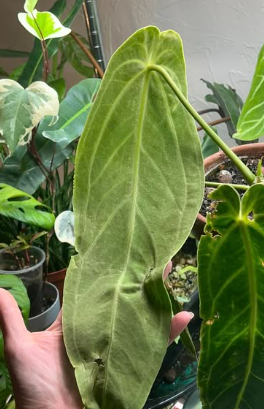
- Check the undersides of leaves weekly.
- Use natural repellents or introduce beneficial insects if pests are persistent.
- Keep the environment clean to prevent pest infestations.
Conclusion
Recap
Curling leaves on your Anthurium can be caused by various factors like water stress, pests, humidity issues, and environmental changes. Proper diagnosis is key—assess soil moisture, inspect for pests, and evaluate your plant’s environment. Once you identify the cause, targeted treatments such as adjusting watering routines, increasing humidity, or pest control, will help restore your plant’s health.
Encouragement
With patience, attentive care, and timely adjustments, your Anthurium can bounce back to lush, vibrant health. Remember, each problem is a learning opportunity and part of the rewarding journey of indoor plant parenting.
Next Steps
Start diagnosing your Anthurium today! Take a closer look at your plant’s leaves, soil, and environment, then implement the recommended fixes from this guide. Soon, you’ll see those beautiful, healthy leaves unfurling with renewed vigor.
FAQ
Q: How long until I see improvement after treatment?
A: Most issues will show signs of recovery within 1-2 weeks once the correct care adjustments are made. New growth should appear healthy and uncurled. If no change occurs after this period, revisit your diagnosis.
Q: Can curling leaves cause permanent damage?
A: Mild or temporary curling caused by environmental stress often recovers fully. However, prolonged or severe damage, like root rot or pest damage, can cause permanent leaf loss. Prompt treatment minimizes long-term effects.
Q: Should I prune severely curled or damaged leaves?
A: Yes, trimming off badly damaged leaves encourages healthy new growth and improves the plant’s overall appearance. Use clean, sharp scissors or pruning shears and avoid removing too many leaves at once.
By understanding the causes and implementing practical fixes, you can nurture your Anthurium back to vibrant health. Happy plant parenting!