Noticing your Aloe Vera's leaves curling? You're not alone—many plant parents face this issue but there's good news: it’s often fixable! Aloe Vera is beloved for its resilience and soothing gel, but even hardy plants can show signs of distress, such as curling leaves. This common problem can be caused by several factors, ranging from watering issues to light conditions. Fortunately, with some simple steps, you can diagnose the cause and help your Aloe Vera bounce back to health. In this article, we’ll explore why Aloe Vera leaves curl, how to diagnose the underlying cause, and most importantly, what practical solutions you can implement today. Remember—no matter how your plant looks now, with patience and proper care, it can recover and thrive once again.
🧐 Understanding the Problem
Visual Identification: How Do Curling Leaves Look?
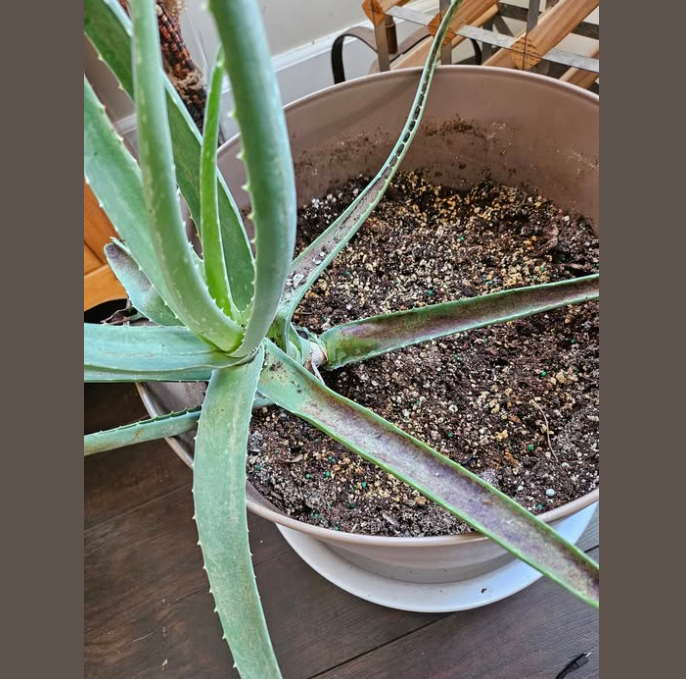
First, it’s essential to correctly identify curling leaves. Look for:
- Edges of the leaves bending inward or downward
- Wrinkling or shriveling on the leaf surface
- Discoloration, such as browning or yellowing
- Soft, mushy areas indicating potential rot Curling is often a sign that something isn't quite right with your plant’s environment or care routine.
Common Causes Overview
Several factors can lead to Aloe Vera leaves curling, including:
- Dehydration or underwatering
- Overwatering or poor drainage
- Inadequate light conditions
- Pests or diseases
- Nutrient deficiencies Understanding these causes is the first step toward implementing effective remedies.
🔎 Diagnosing the Exact Cause
To fix Aloe Vera curling leaves effectively, you need to identify what’s causing the issue. Here are some straightforward steps:
Cause 1: Dehydration or Underwatering
- Signs: Leaves look shriveled, dry, and may feel brittle to the touch.
- What to do: Check the moisture level of the soil. If it’s dry several inches below the surface, your plant likely needs water.
Cause 2: Overwatering or Poor Drainage
- Signs: Leaves become soft, mushy, and may emit a foul smell, indicating root rot.
- What to do: Remove the plant and examine the roots. If they’re brown and rotting, this is the culprit.
Cause 3: Insufficient Light
- Signs: Leaves may curl in response to low light, trying to conserve moisture and energy.
- What to do: Observe the lighting conditions. Aloe Vera prefers bright, indirect sunlight.
How to Tell the Difference
- Soil Moisture: Use your finger or a moisture meter. Dry soil suggests underwatering; soggy soil hints at overwatering.
- Leaf Texture: Shriveled or crunchy leaves point to dehydration; soft or mushy leaves indicate overwatering.
- Lighting: If your plant is in a dim corner, it likely needs more light. By combining these observations, you can pinpoint the main cause and move toward the right solution.
🛠️ Treatment Solutions
Once you've diagnosed the problem, follow these targeted remedies to help your Aloe Vera recover:
Immediate Actions
- Adjust watering habits: If dry, water thoroughly and let the soil dry out completely before watering again. If soggy, remove excess water and improve drainage.
- Improve drainage: Use a well-draining succulent or cactus soil mix. Ensure your pot has drainage holes.
- Relocate the plant: Move your Aloe Vera to a brighter location with indirect sunlight. A south or east-facing window is ideal.
Long-term Care Plan
- Water properly: Follow the soak and dry method—water deeply, then wait until the top inch of soil is dry before watering again.
- Ensure good drainage: Use pots with drainage holes and add gravel or sand at the bottom.
- Provide optimal light: Place your Aloe in bright, indirect sunlight for 6-8 hours daily.
- Avoid overfeeding: Fertilize sparingly during the growing season, about once a month with a diluted succulent fertilizer.
What to Expect During Recovery
- You may notice new leaves emerging as your plant regains strength.
- Curling leaves should gradually unfurl and firm up with consistent care.
- Patience is key—most Aloe Vera plants recover well when given the right environment.
🌱 Prevention Tips
Prevent future curling by adopting good care habits:
Care Routine Adjustments
- Water only when soil is completely dry.
- Use a watering schedule tailored to indoor conditions.
- Limit fertilization to avoid nutrient imbalances.
- Repot when roots become crowded or soil becomes depleted.
Environmental Factors to Monitor
- Ensure your Aloe Vera gets bright, indirect light — avoid direct harsh sunlight that can scorch leaves.
- Keep the plant in a well-ventilated area to prevent pests and diseases.
- Maintain consistent watering and avoid sudden changes in environment.
📝 Conclusion
Recap of key points:
- Proper watering, adequate lighting, and pest management are essential to fix curling leaves.
- Diagnosing the cause accurately ensures targeted treatment.
- With patience and attentive care, your Aloe Vera can recover and even flourish again. Encouragement: Don’t be discouraged if your Aloe Vera shows signs of distress. Every plant can bounce back with the right attention. Begin by observing your plant closely, identify what needs to be adjusted, and implement the appropriate solutions. Next steps: Start by diagnosing your Aloe Vera’s specific issue, then follow the treatment and prevention tips shared in this guide. Your healthy, vibrant Aloe Vera is just a few careful steps away!
❓ Frequently Asked Questions
Q: How long until I see improvement after adjusting care?
A: Typically, within a few weeks, you should notice your Aloe Vera’s leaves beginning to straighten and regain firmness. Consistency is key; avoid overcorrecting care routines to prevent additional stress.
Q: Will my Aloe Vera fully recover if the leaves are severely curled?
A: Severe curling suggests significant stress, but with proper care—adjusted watering, better lighting, pest control—your plant can still recover. Some damaged leaves may not fully unfurl but new growth will come in healthier.
Q: Should I prune or remove damaged leaves to help my plant recover?
A: Yes. Carefully pruning severely curled or mushy leaves can redirect energy to healthy growth. Use clean scissors and treat the cuts with a fungicide if necessary to prevent infection.
By understanding the causes of Aloe Vera curling leaves and applying these simple yet effective solutions, you can ensure your plant remains a resilient and beautiful part of your indoor garden. Happy gardening!