Introduction
Noticing your Peace Lily's leaves drooping can be quite unsettling. As a beloved indoor plant, it’s natural to worry when it starts losing its vibrant, upright appearance. However, don’t stress—drooping leaves are often a sign that your plant needs a little extra care or environmental adjustment. The good news is that with some simple diagnostic steps and targeted solutions, your Peace Lily can bounce back and regain its lush, healthy look.
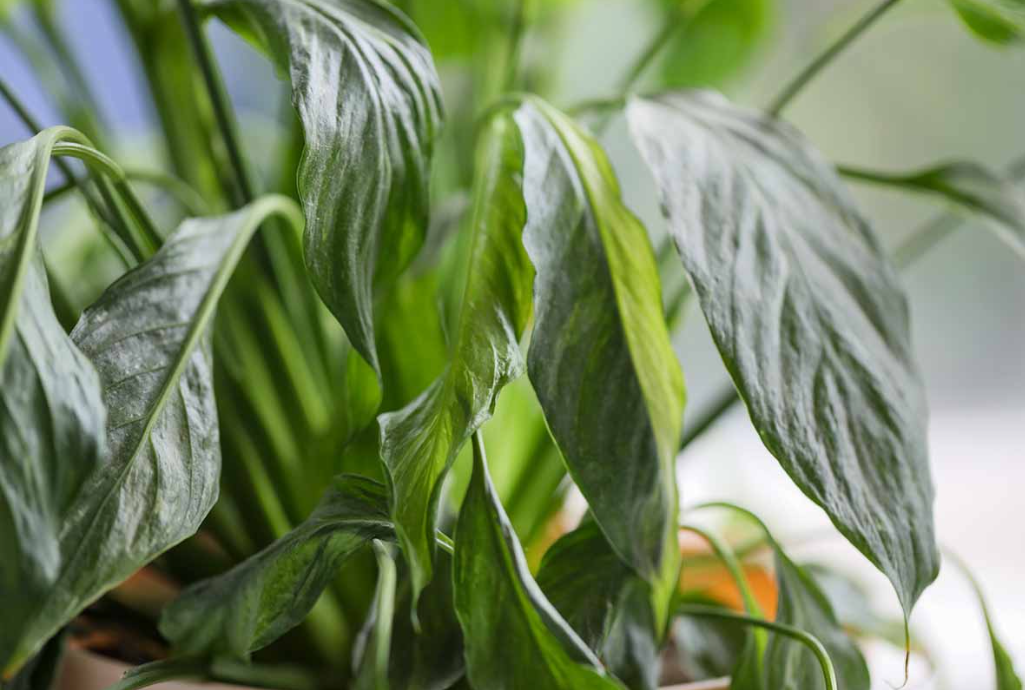
In this article, we'll explore why your Peace Lily’s leaves droop—from overwatering and underwatering to light and temperature issues—help you properly diagnose the problem, and provide easy-to-follow remedies. Plus, you'll find tips to prevent future drooping and keep your indoor plant thriving. Remember, most issues are fixable with attentive care and patience!
Section 1: Understanding the Problem
Visual Identification of Drooping Leaves
Drooping leaves on a Peace Lily are usually soft and limp, often hanging downward rather than standing upright. They may appear wilted, with edges sometimes curling or yellowing. In contrast with a healthy Peace Lily, which sports glossy, dark green leaves held perky and upright, drooping leaves give a tired, sad appearance.
Common Causes Overview
Several factors can cause this distress, including:
- Overwatering: Excess water can lead to waterlogged soil, suffocating roots and causing the plant to wilt.
- Underwatering: Insufficient water results in dehydration, with leaves drooping as the plant conserves moisture.
- Temperature Stress: Exposure to cold drafts or abrupt temperature changes can weaken the plant, leading to droopiness.
- Light Issues: Both insufficient light and direct, harsh sunlight can stress your Peace Lily, resulting in drooping. Understanding these causes is the first step to diagnosing your plant’s specific problem.
Section 2: Diagnosing the Exact Cause
Cause 1: Overwatering Leading to Root Rot and Waterlogged Soil
Symptoms: Soil feels consistently soggy, roots may be brown and mushy if checked, and the plant appears limp despite watering. How to tell: If your plant's leaves are drooping and the soil is damp for several days, overwatering is likely the culprit. Avoid large watering sessions—Peace Lilies prefer consistently moist but not waterlogged soil.
Cause 2: Underwatering Causing Dehydration and Wilting
Symptoms: Soil is dry several inches below the surface, and leaves feel leathery or brittle, hanging limply. How to tell: If the soil feels dry and your plant’s leaves are wilting despite regular watering, your Peace Lily may be dehydrated. Check the topsoil moisture and water thoroughly if dry.
Cause 3: Light Issues—Too Little or Too Much Direct Sunlight
Symptoms: Leaves may yellow, scorch, or become limp. The plant may lean toward the light source or have uneven growth. How to tell: Observe where your Peace Lily is placed. If it's in direct sunlight, the leaves might be sunburned and drooping. Conversely, if it's in a dark corner, insufficient light can weaken it over time. Tips to determine the cause:
- Check soil moisture with your finger or a moisture meter.
- Observe the plant’s position relative to light sources.
- Feel the ambient temperature to see if drafts or cold patches might be affecting it.
Section 3: Treatment Solutions
Immediate Actions: Adjust Watering Schedule
- For Overwatering: Let the soil dry out completely before watering again. Consider repotting into well-draining soil if roots are rotted.
- For Underwatering: Water thoroughly until excess drains, ensuring the entire root ball is moist.
Check and Improve Soil Drainage
- Use a pot with drainage holes.
- Mix soil with perlite or coarse sand to enhance drainage.
- Avoid letting the plant sit in standing water.
Optimize Light and Temperature
- Place your Peace Lily in bright, indirect light—near a north-facing window or filtered sunlight.
- Keep away from cold drafts, air conditioning vents, or direct sunlight.
- Maintain indoor temperatures between 65-80°F (18-27°C), and avoid sudden temperature drops.
Long-term Care: Consistent Routine and Monitoring
- Set a regular watering schedule based on soil moisture—usually once a week.
- Use room temperature water.
- Fertilize sparingly during active growth, about once a month with a balanced, diluted fertilizer.
- Keep humidity levels moderate; mist leaves occasionally if environment is dry.
Recovery Signs
- Look for leaves gradually firming up and standing upright.
- New healthy growth indicates your plant is recovering.
- Patience is key—most drooping leaves will bounce back within a few days to weeks once conditions improve.
Section 4: Prevention Tips
Adjusting Your Care Routine
- Water only when the top inch of soil feels dry.
- Use a moisture meter for accuracy.
- Fertilize during active growing seasons—spring and summer.
Monitoring Environmental Factors
- Keep your Peace Lily in bright, indirect light.
- Avoid placing it near cold drafts, heaters, or direct sunlight.
- Maintain indoor humidity around 50-60%, using a room humidifier or pebble tray if necessary.
Regular Checks
- Inspect leaves regularly for signs of stress.
- Adjust watering and lighting as needed.
- Repot if the plant has outgrown its current pot or soil has become compacted.
Conclusion
Understanding why is my Peace Lily having drooping leaves is essential to providing the right care. By carefully diagnosing whether overwatering, underwatering, or light issues are causing the problem, you can take targeted steps to revive your plant. Remember, drooping is often a temporary sign that your Peace Lily needs a little TLC. Most importantly, with patience and the right adjustments, your Peace Lily can regain its lush, vibrant appearance. Keep observing, learning, and caring—your indoor jungle friend will thank you!
FAQs
Q: How long until I see my Peace Lily bounce back after fixing watering issues?
A: Typically, you can expect to see signs of recovery within a week or two. The leaves may start to firm up and stand more upright as the plant regains strength. Consistent care is vital; avoid overwatering or underwatering during this recovery period.
Q: Can I prune drooping leaves or should I leave them to recover naturally?
A: You can prune severely wilted or yellowing leaves to encourage the plant to focus energy on healthy growth. Use clean, sharp scissors or pruning shears, and make clean cuts close to the base. Healthy, upright leaves will better showcase your Peace Lily’s beauty.
Q: What are the best practices to keep my Peace Lily healthy and prevent drooping in the future?
A: Maintain a consistent watering routine, ensuring soil stays moist but not waterlogged. Place the plant in bright, indirect light, and avoid drafts or direct sunlight. Keep humidity moderately high and fertilize appropriately during active growth periods. Regularly inspect your plant’s health and adjust care as needed.
Your Peace Lily is more resilient than it might seem—just a little attentive care and understanding can bring it back to vibrant life!