Are your beloved spider plant’s leaves turning pale or yellowing? Don’t worry—this is a common issue faced by many indoor plant enthusiasts, especially beginners. Pale leaves can be alarming, but often, with some simple adjustments, your plant can bounce back to its vibrant, lush state. In this comprehensive guide, we’ll explore the most common causes behind pale spider plant leaves, how to diagnose the precise problem, and effective, natural solutions to restore your plant’s health. With a little patience and care, your spider plant will soon regain its beautiful, green foliage.
Understanding the Problem
Visual Identification of Pale or Yellowing Leaves
First, it’s important to recognize what pale leaves look like. Typically, healthy spider plant leaves are a rich, vibrant green. When leaves turn pale, they lose their deep color, becoming light green, yellow, or even almost white in some cases. The discoloration may start at the tips or edges and gradually spread inward. Sometimes, the leaves may appear wilted or droopy, further signaling a problem.
Common Causes Overview
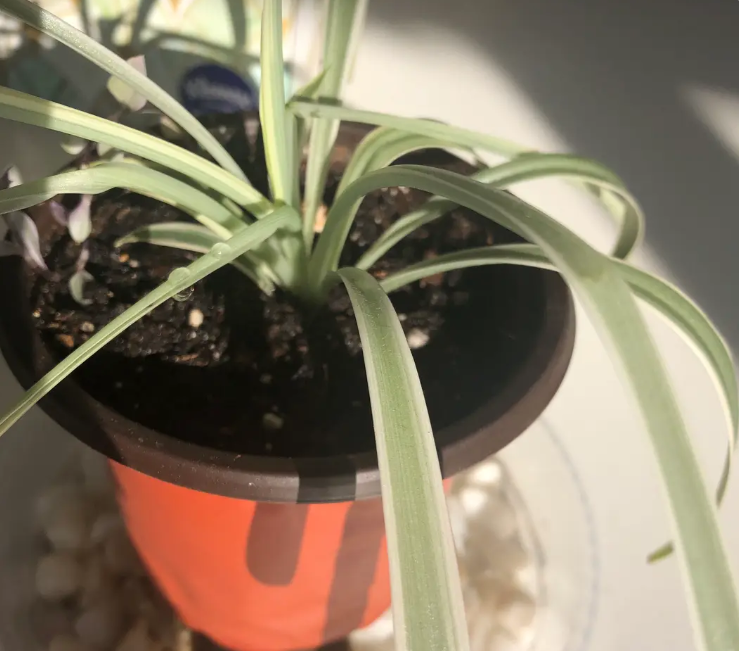
Several factors can cause your spider plant’s leaves to pale or yellow:
- Insufficient light: Lack of proper sunlight can lead to dull, pale foliage.
- Watering issues: Overwatering or underwatering can stress the plant, causing discoloration.
- Nutrient deficiencies: A lack of essential nutrients, especially nitrogen, can result in pale or yellow leaves.
- Pests and diseases: Infestations and infections can weaken the plant and affect leaf color.
- Environmental stress: Drafts, dry air, or sudden temperature changes can also contribute. Understanding these causes lays the foundation for diagnosing and fixing the problem effectively.
Diagnosing the Exact Cause
Follow These Steps to Pinpoint Why Your Spider Plant’s Leaves Are Pale
Cause 1: Insufficient Light
Low light levels are a leading cause of pale spider plant leaves. If your plant is placed away from windows or in a dim corner, it may struggle to produce enough chlorophyll, leading to dull, yellowish foliage.
- Signs: Leaves leaning towards the light source, pale color, slow growth.
- Test: Move your plant to a brighter spot with indirect sunlight. If the leaves regain their color over a few days, light was the issue.
Cause 2: Overwatering or Underwatering
Both overwatering and underwatering can stress your plant, affecting its ability to absorb nutrients and maintain healthy leaf color.
- Overwatering signs: Yellowing, soft, or mushy leaves, especially at the base.
- Underwatering signs: Dry, brittle leaves that turn pale or yellow at the tips.
- Test: Check the soil moisture. It should be slightly moist but not soggy. Adjust watering accordingly.
Cause 3: Nutrient Deficiency
A lack of nitrogen or other essential nutrients hampers chlorophyll production, causing pale or yellow leaves.
- Signs: Uniform pale color, slow growth, weak overall appearance.
- Test: Consider a simple plant nutrition test or observe if the plant’s overall vigor is declining.
How to Tell Which Cause Applies to Your Plant
Combine observations—such as light conditions, watering habits, and soil health—to identify the root cause. For example, if your plant is in a dark corner and has pale leaves, insufficient light is likely. If the soil feels waterlogged, overwatering might be the culprit.
Treatment Solutions
Immediate Actions
Once you've identified the cause, implement targeted fixes:
- Adjust lighting: Move your spider plant to a location with bright, indirect sunlight. A north or east-facing window is ideal.
- Water properly: Ensure you’re watering only when the top inch of soil feels dry. Use well-draining soil to prevent waterlogging.
- Fertilize: Apply a balanced houseplant fertilizer during the growing season (spring and summer). Follow label instructions carefully.
Natural Remedies
- Organic fertilizers: Use compost tea or liquid seaweed extract to gently boost nutrients.
- Proper watering techniques: Water thoroughly, allowing excess to drain away, then wait until the soil dries out before watering again.
- Optimal light placement: Keep your plant away from drafts or direct sunlight that can scorch leaves but ensure it receives enough bright, indirect light.
Chemical Options
If natural remedies don’t suffice, consider using a balanced houseplant fertilizer with equal parts nitrogen, phosphorus, and potassium (e.g., 10-10-10). Apply as directed, usually every 4-6 weeks during active growth.
Monitoring Recovery
Watch for signs of improvement, such as darkening and greening of the leaves, new healthy growth, and overall vigor. You may need to prune severely damaged or yellow leaves to encourage new growth.
Prevention Tips
Maintain Your Spider Plant’s Health
Prevention is always better than cure. Here’s how to keep your spider plant thriving and avoid future pale leaves:
- Consistent watering: Establish a routine based on your environment’s humidity and temperature.
- Balanced fertilization: Feed your plant regularly during the active growing season.
- Proper lighting: Place your plant where it receives bright, indirect sunlight.
- Environmental control: Keep your plant away from drafts, direct sun, or heating/cooling vents that can stress it.
- Humidity: Maintain moderate humidity levels; if the air is very dry, consider misting the leaves occasionally.
Conclusion
Summing Up
Pale leaves on your spider plant are usually a sign that something is off with its care—be it light, water, nutrients, or environmental conditions. By carefully diagnosing the cause and applying targeted solutions, you can restore your plant’s lush, green appearance. Remember, patience is key—plants often take some time to recover after adjustments.
Keep Moving Forward
With attentive care, your spider plant can bounce back beautifully. Regularly check on your plant, observe its response to your care, and make adjustments as needed. Soon, you’ll enjoy a vibrant, healthy indoor garden full of lively, green foliage.
Next Steps
Begin by evaluating your plant’s current environment—light, watering habits, and nutrition. Make the necessary adjustments based on your observations, and watch your spider plant thrive once again!
FAQ
Q: How long until I see improvement after fixing the problem?
A: Typically, you can expect to see some signs of recovery within a few weeks. New growth is a good indicator that your plant is regaining its health. If no improvement occurs after a month, revisit your diagnosis and consider additional factors.
Q: Can pale leaves turn green again?
A: Yes, if the cause of discoloration is addressed early, the leaves can regain their green color. However, severely damaged or completely yellow leaves may not turn green again and might need to be pruned to encourage new, healthy growth.
Q: Should I prune the pale leaves or leave them to recover?
A: It’s generally best to prune heavily discolored or dead leaves. Removing damaged foliage helps the plant focus its energy on producing new, healthy leaves and prevents potential disease spread. Use clean, sharp scissors or pruning shears for this task.
By following these tips and understanding your spider plant’s needs, you’ll be well on your way to fixing pale leaves and ensuring your indoor garden stays lush and vibrant. Happy gardening!