Learn how to diagnose and fix pale aloe vera leaves with practical tips and care advice to restore your plant’s health and vibrancy.
Noticing your aloe vera's vibrant leaves turning pale can be concerning but is often understandable.
Your aloe vera, a hardy and popular succulent, is typically known for its lush green, fleshy leaves. When these start to pale or wash out in color, it can be a sign that something isn’t quite right with its environment or care routine. But don’t worry—most issues causing pale leaves are fixable with a little observation and adjustment.
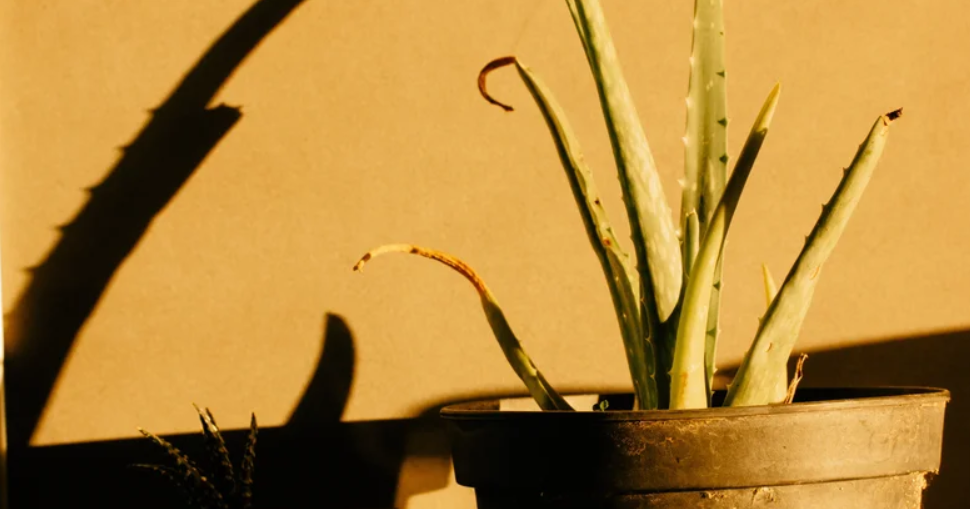
This article will help you identify the causes of pale leaves, guide you through diagnosis, and offer effective solutions to restore your aloe vera’s healthy, vibrant appearance. Rest assured, with proper care, your aloe vera can bounce back beautifully!
Section 1: Understanding the Problem
Recognize what pale, discolored, or washed-out leaves look like on your aloe vera and understand possible reasons such as lighting issues, overwatering, or nutrient deficiencies.
Visual identification of pale leaves and symptoms
Pale aloe vera leaves often appear as light green, almost yellowish, or even greyish. They may look dull, lack their usual glossy sheen, and sometimes become floppy or soft. You might also notice some leaves turning translucent or developing spots. Pale leaves are usually a sign that the plant isn’t receiving optimal conditions or facing stress. Common symptoms include:
- Leaves losing their vibrant green color
- Soft or mushy texture
- Yellowing or whitish appearance
- Excessive leaf curling or drooping
Common causes overview: light deficiency, overwatering, nutritional imbalance
Now, let’s briefly review the typical reasons behind pale aloe vera leaves:
- Insufficient light: Aloe vera loves bright, indirect sunlight. A lack of sufficient light can lead to a loss of pigmentation, making leaves appear washed out or pale.
- Overwatering: Aloe vera is a succulent with drought-tolerant roots. Too much water can stress the plant, leading to root rot and pale, weakened leaves.
- Nutritional deficiencies: A lack of essential nutrients, especially nitrogen, can cause leaves to lose their lush color and vigor.
Section 2: Diagnosing the Exact Cause
Follow a step-by-step diagnostic process to determine what is causing your aloe vera’s pale leaves.
Cause 1: Insufficient light (under light deficiency)
- Signs: Pale, elongated, or stretched-out leaves (etiolation). Leaves may also appear dull and lack gloss.
- How to check: Is your aloe placed near a bright window? Is it outdoors in a spot with adequate indirect sunlight?
- What to do: Move your plant to a brighter location, ideally where it can receive about 6 hours of bright, indirect sunlight daily. If indoors, consider adding a grow light.
Cause 2: Overwatering leading to stress or root issues
- Signs: Soft, translucent leaves, soil that stays wet for days, or a foul smell from the soil.
- How to tell: Check the soil moisture; if it’s soggy, the plant may be overwatered. Also, gently remove the plant from its pot to inspect roots—healthy roots are white or light tan, while rotted roots are brown/black and slimy.
- What to do: Allow the soil to dry completely before watering again. Improve drainage by using a well-draining cactus or succulent soil mix and ensure the pot has drainage holes.
Cause 3: Lack of essential nutrients
- Signs: Pale or yellowish leaves, slow growth, and overall dullness.
- How to tell: Has your plant gone without fertilization for a long time? Is it in a small pot where nutrients deplete quickly?
- What to do: Feed your aloe with a balanced, succulent-specific fertilizer during its active growing season (spring and summer). Follow the label instructions for dilution and frequency.
How to tell which cause applies to your plant
Observe carefully: Is the plant stretching in search of light? Are the leaves mushy and soil wet? Or does the plant seem dull and slowly growing? This diagnostic step helps you target your care adjustments effectively.
Section 3: Treatment Solutions
Implement targeted fixes for each identified cause, with immediate actions and long-term recovery strategies.
Adjust lighting—move to brighter, indirect sunlight or use grow lights
Place your aloe vera near a south- or west-facing window, avoiding direct harsh midday sun which can scorch. If natural light is limited, invest in a grow light designed for succulents, and keep it on for about 12-14 hours daily.
Modify watering routine—ensure proper drainage, water only when soil is dry
Allow the top inch of soil to dry out completely before watering again. During warmer months, watering every 2-3 weeks is usually sufficient. Always use pots with drainage holes to prevent water from stagnating.
Supply nutrients—use balanced, succulent-specific fertilizers
Apply a diluted cactus or succulent fertilizer during active growth from spring to early fall—typically every 4-6 weeks. Avoid fertilizing in winter when the plant’s growth naturally slows down.
Natural remedies such as neem oil or organic compost if necessary
If pests or disease are contributing to pale, unhealthy leaves, treat with neem oil or an organic insecticide. Organic compost can also provide slow-release nutrients, improving soil health.
Monitoring recovery and signs of improvement
Keep an eye on new leaf growth and overall plant vigor. Healthy aloe vera leaves should regain their firm texture and vibrant color over a few weeks once the issues are addressed.
Section 4: Prevention Tips
Maintain a healthy aloe vera by optimizing care routines and environmental factors to prevent future problems.
Regularly monitor lighting levels and adapt as needed
Adjust placement seasonally; move your plant closer to windows in winter if needed, and shield it from intense afternoon sun in summer.
Establish a consistent watering schedule avoiding overwatering
Adopt a “when dry, water” method and always check the soil moisture before watering.
Fertilize appropriately during active growing season
Feed every 4-6 weeks during spring and summer with a succulent fertilizer, and skip during winter dormancy.
Ensure well-draining soil and proper pot drainage
Use sandy or cactus mix soil, and ensure your pot has drainage holes to prevent water buildup.
Seasonal adjustments for indoor environments
Maintain good air circulation, avoid drafts, and adjust watering and lighting to match seasonal changes.
Conclusion
Summary
Addressing pale aloe vera leaves involves identifying whether the cause is related to lighting, watering, or nutrition, and taking appropriate corrective steps. By understanding your plant’s needs and adjusting your care routine accordingly, you can help your aloe vera regain its lush, healthy appearance.
Encouragement
With attentive care and patience, your aloe vera can recover from pale leaves and thrive once again. Remember, all plants face challenges, but your consistent efforts will reward you with a vibrant, resilient plant.
Next steps
Implement the recommended adjustments today—monitor your aloe vera’s response, and enjoy the satisfying process of nurturing a healthy, beautiful plant!
Q: How long does it take for aloe vera leaves to recover from pale discoloration?
A: Recovery time varies depending on the cause and severity, but generally, you can start seeing improvements within 2-4 weeks after correcting light, watering, or nutritional issues. New growth will be more vibrant, and existing leaves may slowly regain their coloration.
Q: Can overwatering cause permanent damage to aloe vera?
A: Yes, overwatering can lead to root rot, which, if untreated, can cause permanent damage or death. It’s essential to allow the soil to dry completely between waterings and ensure proper drainage to keep your aloe healthy.
Q: Should I prune the pale or damaged leaves?
A: In most cases, trimming damaged or very pale leaves can help the plant focus its energy on healthy growth. Use clean, sharp scissors or pruning shears, and remove leaves at the base without harming the plant’s core. This also improves the plant’s appearance and reduces disease risk.