Discover why your Snake Plant's lower leaves become soft, learn how to diagnose the issue, and find effective treatment and prevention tips for healthy growth.
Introduction
Noticing your Snake Plant's bottom leaves turning soft can be quite alarming, especially if you're passionate about keeping your indoor garden healthy. These soft, drooping leaves can signal underlying issues that, if left unaddressed, might threaten your plant's overall vitality. But don't worry—you're not alone, and with some careful diagnosis and proper care, you can bring your Snake Plant back to its robust, upright state. This article will guide you through understanding why your Snake Plant's lower leaves become soft, how to identify the root cause, and practical solutions to restore its health. With patience and attentive care, your plant can thrive once again!
Section 1: Understanding the Problem
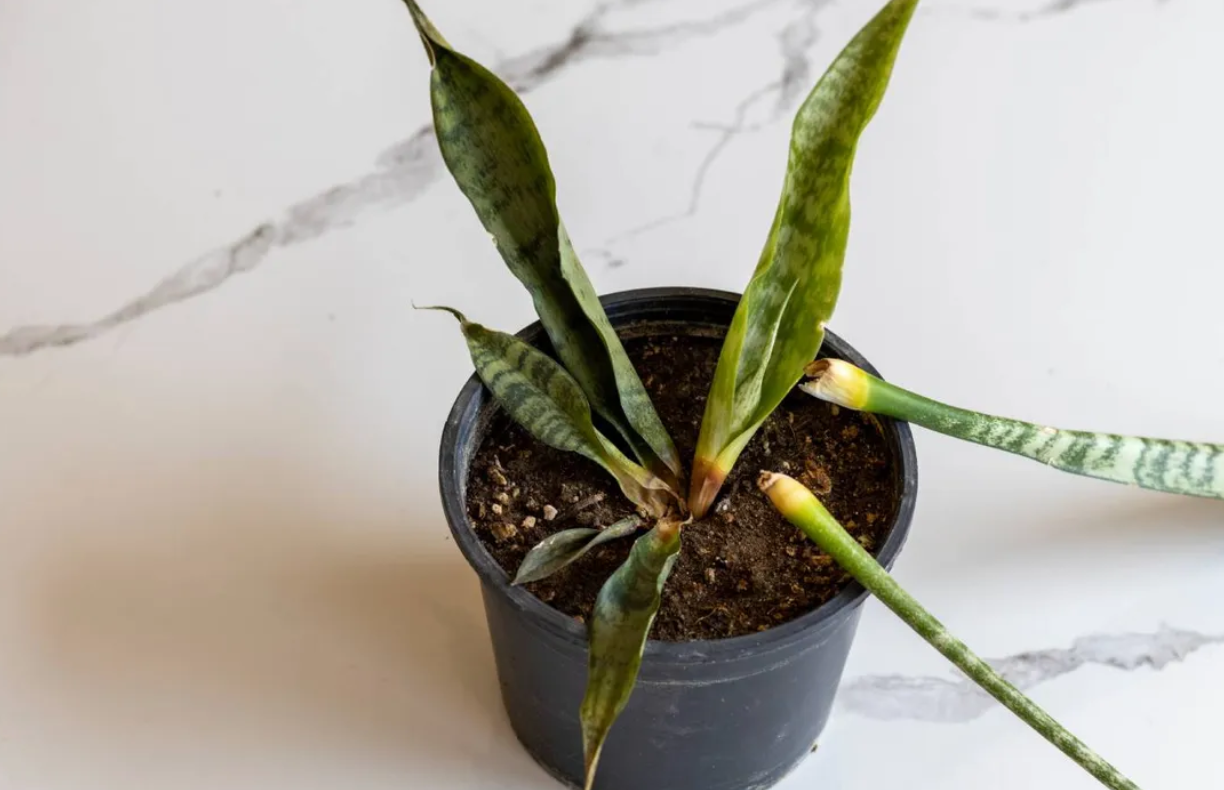
Visual Identification: Soft, Sagging, or Mushy Lower Leaves
The first step is recognizing what soft leaves look like. Typically, healthy Snake Plant leaves are firm, upright, and resilient. When the lower leaves start to turn soft, they may appear saggy, mushy, or feel limp to the touch. Sometimes, these leaves may develop spots or discoloration before becoming overly soft.
Common Causes Overview: Overwatering, Root Rot, Low Light, or Pests
Several factors can cause the bottom leaves of your Snake Plant to become soft:
- Overwatering: Excess water saturates the soil, leading to waterlogged roots.
- Root Rot: A common consequence of overwatering, resulting in decay of roots.
- Low Light Conditions: Insufficient light stresses the plant, weakening its tissues.
- Pests: Infestations can damage leaves and roots, causing softness and decline. Understanding these causes helps you narrow down the problem and find the most effective solution.
Section 2: Diagnosing the Exact Cause
Follow a Step-by-Step Process
Accurate diagnosis is essential. Here's how to identify the root cause:
Cause 1: Overwatering Leading to Root Rot
- Symptoms: Soft, mushy leaves, especially at the bottom, combined with a foul smell from the soil.
- Diagnosis: Gently remove the plant from its pot and inspect the roots. Rotting roots appear brown, black, and slimy.
Cause 2: Insufficient Drainage or Poor Soil Conditions
- Symptoms: Water remains in the pot after watering, leading to soggy soil and soft leaves.
- Diagnosis: Check if excess water drains quickly. Poor soil mixes retain too much moisture.
Cause 3: Low Light or Environmental Stress
- Symptoms: Leaves become weak, pale, or soft due to stress.
- Diagnosis: Assess your plant's light environment. Is it placed in a dim corner or away from windows?
How to Tell Which One It Is: Diagnostic Tips and Signs to Observe
- Smell: Foul odor suggests root rot.
- Soil moisture: Use a finger or moisture meter to check if soil remains wet for days.
- Leaf appearance: Sudden softening with discoloration points to overwatering; pale or weak leaves may suggest low light stress.
Section 3: Treatment Solutions
Immediate Actions: Remove Affected Leaves, Adjust Watering Habits
- Carefully prune and remove any soft, mushy leaves to prevent the spread of decay.
- Reduce watering frequency; let the soil dry out completely before watering again.
- Ensure the pot has drainage holes to prevent water accumulation.
Long-term Treatment: Repotting with Well-Draining Soil, Improving Light Conditions
- Repot your Snake Plant into fresh, well-draining cactus or succulent mix.
- Gently remove rotten roots during repotting, trimming only the healthy tissue.
- Place your plant in a brighter location with indirect but consistent sunlight.
Monitoring Recovery: Signs of Improvement and When to Prune
- New, firm leaves may emerge over time.
- The plant should regain its upright posture.
- Continue to monitor soil moisture and overall health, pruning any remaining weak leaves as needed.
Section 4: Prevention Tips
Care Routine Adjustments: Watering Schedule, Soil Choice
- Water only when the top inch of soil feels dry.
- Use pots with drainage holes.
- Choose a soil mix suitable for succulents and cacti to improve drainage.
Environmental Factors to Monitor: Light, Humidity, Pot Drainage
- Place your Snake Plant in bright, indirect sunlight.
- Avoid drafts and sudden temperature fluctuations.
- Maintain moderate humidity levels; excessive humidity can contribute to fungal issues.
Conclusion
Proper diagnosis and attentive care are key to restoring your Snake Plant’s health when the bottom leaves become soft. Often, overwatering and poor soil drainage are primary culprits, but environmental stress and pests can also play a role. By adjusting your watering habits, repotting with suitable soil, and providing optimal light, you can help your plant recover and thrive. Don’t worry—your plant’s recovery is entirely possible with a little patience and care. Start by checking your watering routine and soil condition, then implement these practical solutions to bring your Snake Plant back to life!
FAQ
Q: How long does it take for Snake Plant leaves to recover after treatment?
A: Recovery time varies depending on the severity of the issue. Mild cases might show improvement within a few weeks, with new healthy leaves emerging. More severe root rot may require several months of consistent care before the plant fully recovers.
Q: Can soft leaves be a sign of a serious problem like root rot?
A: Yes, soft, mushy leaves, especially if accompanied by a foul smell or dark roots, often indicate root rot. Early detection and treatment are crucial to prevent the problem from spreading and to save your plant.
Q: Should I prune the soft leaves or leave them for the plant to recover naturally?
A: It's best to prune the soft, mushy leaves to prevent decay from spreading. Use clean, sharp scissors or pruning shears to remove affected parts, encouraging healthy growth and preventing disease.
By understanding the causes and implementing targeted care, you can ensure your Snake Plant remains a beautiful, resilient addition to your indoor garden. Happy planting!