Struggling with thrips on your Pothos? Discover proven methods to eliminate them and keep your indoor plant healthy with simple, practical tips.
Introduction
Noticing tiny silvery streaks and damaged leaves on your Pothos? Thrips might be the culprit. These tiny pests can quickly turn a lush, green plant into a distressed one if not addressed promptly. But don't worry—thrips are manageable, and with the right approach, your Pothos can bounce back and thrive again! In this article, we'll guide you through the steps of identifying thrips, diagnosing the issue, exploring effective treatment options, and implementing preventive measures to keep your plant pest-free. Whether you're a beginner or an experienced plant parent, understanding these pests is key to safeguarding your indoor jungle.
Section 1: Understanding the Problem
Visual Identification of Thrips and Damage Signs
Thrips are tiny, slender insects measuring about 1 mm long. They often have fringed wings that give them a delicate, almost translucent appearance. Under close inspection, you might see these pests crawling on your Pothos leaves or stems.
Common signs of thrips infestation include:
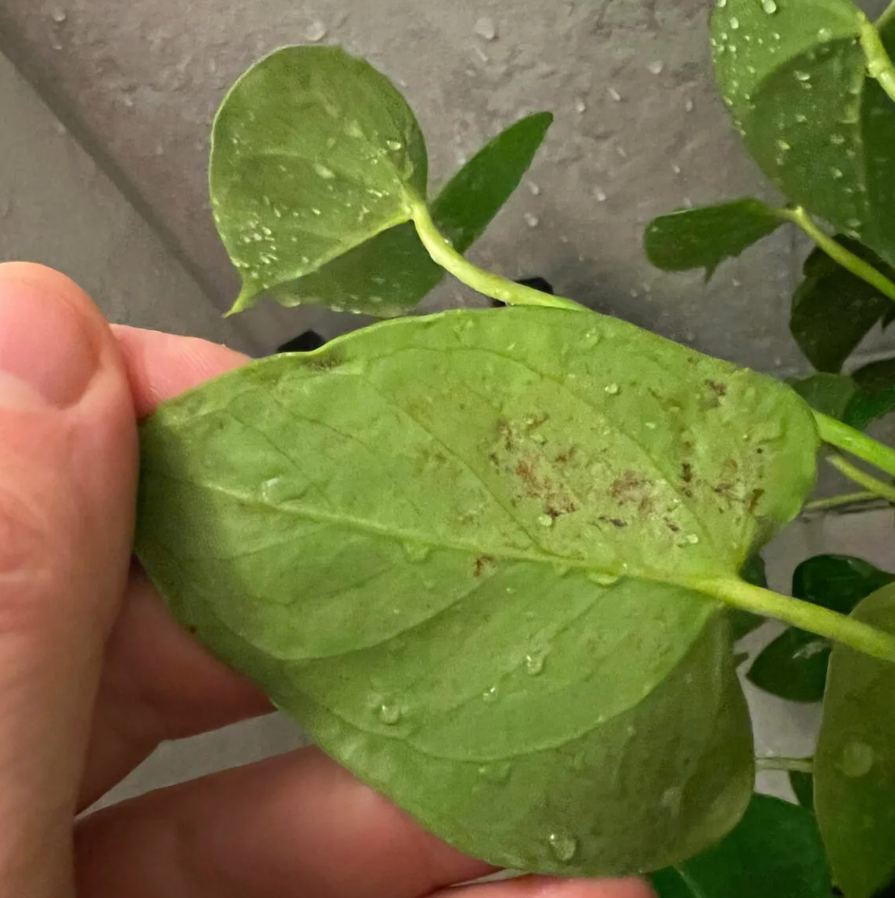
- Silvery or streaked patches on leaves—these are caused by the pests scraping the plant’s surface to feed.
- Deformed or distorted new growth—thrips tend to damage tender shoots, leading to curling or stunted leaves.
- Black specks (frass)—tiny droppings left by thrips can gather along leaf veins or in leaf axils.
- Presence of live insects—if you gently shake or inspect the leaves, you may see tiny insects flying or crawling.
Common Causes of Thrips Infestation in Indoor Environments
Thrips are attracted to stressed or weakened plants. Common causes include:
- Overwatering or underwatering, leading to unhealthy plant stress.
- Introduction of new plants without quarantine, bringing pests indoors.
- Poor air circulation, creating a damp environment suitable for pests.
- Using contaminated soil or garden debris in potting mixes. Understanding how thrips make their way into your indoor garden helps in implementing targeted prevention strategies.
Section 2: Diagnosing the Exact Cause
Step 1: Check for Tiny, Slender Insects Moving on Leaves
Gently examine the undersides of leaves and stem joints. Thrips are very small but move quickly, especially when disturbed. Use a magnifying glass if necessary.
Step 2: Look for Silvery Scars, Black Specks (Frass), or Distorted Growth
Inspect the leaves carefully:
- Silvery or streaky patches indicate feeding damage.
- Black specks are thrips droppings, often found in leaf axils or along veins.
- Deformed, curled, or stunted leaves point to pest activity.
Step 3: Identify If Other Pests Like Spider Mites Are Involved
Sometimes, multiple pests infest plants simultaneously. Check for fine webbing (spider mites) or tiny moving dots of different appearances to distinguish between pests.
Step 4: How to Tell if Thrips Are the Cause Versus Other Issues
- Thrips tend to cause feeding damage with silvery patches and can be seen moving on leaves.
- Spider mites usually produce webbing.
- Fungal diseases cause discoloration but don't involve pests. Confirming thrips as the culprit allows you to choose the most effective treatment approach.
Section 3: Treatment Solutions
Immediate Actions: Isolate the Infested Plant & Remove Damaged Leaves
- Move your Pothos away from other houseplants to prevent pests from spreading.
- Carefully prune and dispose of heavily damaged foliage to reduce pest populations.
Natural Remedies: Insecticidal Soap, Neem Oil, Manual Removal
- Insecticidal soap: Spray liberally on all plant surfaces, especially undersides of leaves. Reapply every 7–10 days.
- Neem oil: Dilute according to package instructions and spray thoroughly. Neem acts as both an insecticide and repellent.
- Manual removal: Use a soft brush or cloth to wipe off visible thrips and affected leaves.
Chemical Options: Appropriate Insecticides (if Needed), Following Safety Guidelines
- Chemical insecticides: Use products containing spinosad or pyrethrin if natural remedies are ineffective. Always follow safety instructions, keep pets and children away during application, and wear protective gloves.
Long-term Care: Improve Airflow, Avoid Overwatering, Monitor Regularly
- Ensure your Pothos has good airflow, avoiding stagnant humidity.
- Water only when the top inch of soil feels dry.
- Regularly inspect your plant to catch pests early.
What to Expect During Recovery
- Initially, you may see a decline in thrips numbers within days.
- Full recovery can take 2–3 weeks, with new growth appearing healthy.
- Continue treatment and monitoring until no pests or damage signs remain.
Section 4: Prevention Tips
Maintain Healthy, Stress-Free Plants
- Proper watering and fertilization help your Pothos build resilience against pests.
- Use balanced, water-soluble fertilizers during the growing season.
Regularly Inspect Leaves and Stems
- Get into the habit of checking your plant weekly.
- Early detection is key to preventing infestations from escalating.
Control Humidity and Airflow
- Keep indoor humidity moderate—around 40–60%.
- Use fans or open windows to improve circulation.
Quarantine New Plants
- Isolate new additions for at least two weeks.
- Inspect for pests before introducing them to existing plants.
Use Beneficial Insects or Natural Repellents
- Introducing beneficial insects like ladybugs or predatory mites can help control thrips.
- Mix natural repellents like garlic or chili sprays as additional deterrents.
Conclusion
Summary
Dealing with thrips on your Pothos involves a combination of careful diagnosis, targeted treatment, and diligent prevention. Start by inspecting your plant thoroughly, then apply appropriate natural or chemical remedies. Maintaining healthy, unstressed plants through proper watering, feeding, and environmental control is crucial for long-term pest management.
Encouragement
Remember, with patience and consistent care, your Pothos can recover from thrips and continue to flourish. Don't be discouraged—every pest problem is an opportunity to become a more attentive and confident plant parent!
Next Steps
- Begin with an inspection of your plant.
- Choose a suitable treatment method—be it natural or chemical.
- Incorporate prevention habits into your routine.
- Keep monitoring your plant regularly to catch issues early. Your indoor garden will thank you for your dedication!
FAQs
Q1: How long until I see improvement after treatment?
A: Typically, you can expect to see a decrease in thrips activity within 1–2 weeks of consistent treatment. New growth should appear healthier after a few weeks. Patience and regular monitoring are key.
Q2: Can thrips completely kill my Pothos if untreated?
A: While thrips rarely kill a healthy Pothos outright, severe infestations can weaken the plant, cause significant damage, and make it more vulnerable to diseases. Early intervention is essential to prevent long-term harm.
Q3: Are natural remedies safer for pets and children?
A: Yes, natural remedies like insecticidal soap and neem oil are generally safer for pets and children when used correctly. Always follow product instructions and ensure thorough application, especially on indoor plants.
By following these steps and staying vigilant, you'll keep your Pothos thriving and pest-free. Happy gardening!