Learn how to identify, treat, and prevent Philodendron root rot with expert tips. Keep your indoor plant healthy and thriving again!
Introduction
Noticing your Philodendron's leaves wilting or browning? Root rot might be the culprit. This common yet frustrating problem can threaten the health of your beloved indoor plant if left untreated. But don’t worry—recognizing the signs early and taking prompt action can save your green friend. In this guide, we’ll walk you through understanding what causes root rot in Philodendrons, how to precisely diagnose it, effective treatment strategies, and essential prevention tips to ensure your plant stays healthy and vibrant. With patience and care, your Philodendron can recover and flourish once again.
Section 1: Understanding the Problem
Recognize the signs of root rot and why it occurs in Philodendrons
Root rot in Philodendrons manifests through several telltale symptoms. When you inspect your plant, be on the lookout for:
- Visual identification:
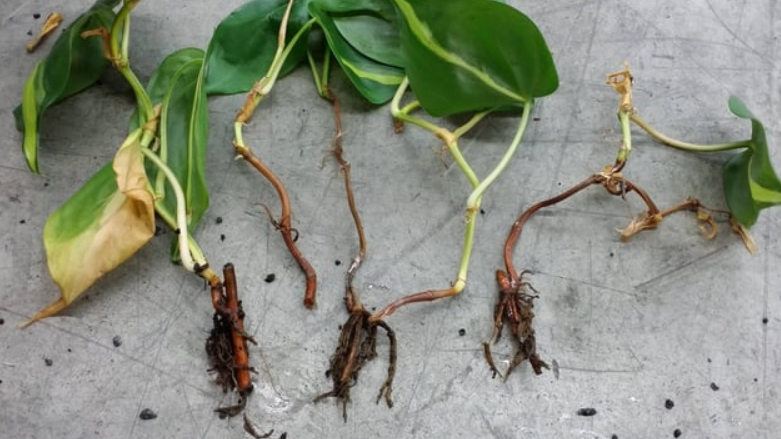
- Soft, brown, or black roots: Healthy roots are usually white or light tan and firm. Diseased roots will appear mushy, dark, and discolored.
- Foul smell: A musty or rotten odor emanates from the soil if root rot is present.
- Wilting or yellowing leaves: The plant’s foliage may droop or turn yellow due to compromised roots struggling to absorb nutrients and water.
Common causes overview
Understanding what triggers root rot helps in both treatment and prevention. Typical causes include:
- Overwatering: Excess moisture keeps the soil waterlogged, depriving roots of oxygen.
- Poor drainage: Using soil or pots without adequate drainage can lead to standing water.
- High humidity: While Philodendrons enjoy humidity, overly moist conditions combined with poor drainage promote fungal growth.
- Contaminated soil: Pathogens in contaminated soil or tools can infect roots directly.
Section 2: Diagnosing the Exact Cause
Follow these steps to pinpoint why your Philodendron has root rot
Accurate diagnosis allows for targeted treatment, increasing the chances of recovery.
Cause 1: Excessive watering leading to waterlogged soil
If your plant’s soil remains soggy for days or smells sour, overwatering is likely the main issue. Check your watering habits—are you watering on a strict schedule or when the topsoil feels moist? Overwatering is a common mistake.
Cause 2: Poor drainage or compacted soil
Observe the pot’s drainage. Does water sit at the bottom or take too long to drain? Compact soil can trap moisture, creating ideal conditions for fungi.
Cause 3: Pathogenic fungi or bacteria infecting the roots
Fungal pathogens often attack when roots are stressed by constant dampness or injury. Blackened, mushy roots alongside a foul smell strongly suggest fungal infection.
How to tell which one it is
- Persistent soggy soil and foul smell point to overwatering or poor drainage.
- Black, slimy roots after removing the plant indicate fungal or bacterial infection.
- Slightly dry soil with some root discoloration may suggest that watering or soil issues contributed, but fungi are involved if roots are blackened.
Section 3: Treatment Solutions
Implement targeted treatments based on diagnosis to save your Philodendron
Here’s what to do immediately and over the coming days to give your plant the best chance of recovery:
Immediate actions to take
- Remove the plant from soil: Carefully take your Philodendron out of its pot.
- Gently rinse roots: Rinse the roots under lukewarm water to clear away soil and expose the extent of damage.
- Prune affected roots: Using sterilized scissors or pruning shears, cut away all soft, black, or mushy roots. Healthy roots are firm and white or light tan.
Long-term treatment plan
- Use fungicides: Apply a commercial fungicide designed for houseplants to combat fungal pathogens. Follow package instructions carefully.
- Repot in fresh, well-draining soil: Choose a high-quality, loose potting mix with sand or perlite to improve drainage.
- Adjust watering schedule: Water only when the top inch of soil is dry. Be cautious not to overwater again.
- Improve pot drainage: Ensure the chosen pot has drainage holes, and elevate it slightly to prevent water from stagnating.
What to expect during recovery
- Monitor your plant regularly for any signs of decline.
- New roots should begin to grow within a few weeks.
- Be patient—recovery can take time, but consistent care will yield positive results.
Section 4: Prevention Tips
Keep your Philodendron healthy with proactive care
Prevention is always better than treatment. Follow these simple tips:
Care routine adjustments
- Proper watering practices: Water deeply but infrequently, allowing the soil to dry out between watering sessions.
- Avoid overwatering: Use your finger to check soil moisture before watering.
- Allow soil to dry: Ensure the top 1-2 inches dry out before watering again.
Environmental factors to monitor
- Use well-draining soil: Select a potting mix containing peat, perlite, or sand.
- Ensure proper pot drainage: Always use pots with drainage holes to prevent excess water accumulation.
- Avoid excess humidity: While Philodendrons thrive in high humidity, too much persistent moisture combined with poor drainage can cause root rot.
- Maintain appropriate watering frequency: Adjust your watering schedule according to season and indoor conditions.
Conclusion
Recap: Recognizing and diagnosing root rot early is crucial. Prompt treatment—removing damaged roots, using fungicides, and repotting in fresh soil—can save your Philodendron. Equally important is adopting good watering habits, ensuring proper soil drainage, and monitoring environmental conditions to prevent future issues. With patience, consistent care, and the right knowledge, your plant can recover from root rot and thrive once again. Next Steps: Check your watering routine, carefully inspect your Philodendron’s roots, and start treatment today to give your plant the best chance at a healthy, flourishing future.
FAQ
Q: How long until I see improvement after treatment?
A: Typically, you can expect to see signs of recovery within 2 to 4 weeks. New roots may start to develop, and leaves may regain their vibrancy. Patience and consistent care are key.
Q: Will my Philodendron fully recover from root rot?
A: Many recover completely if the root rot is caught early and treated properly. The plant’s health depends on the extent of root damage and your ongoing care. Severe cases might result in partial recovery, but with diligent care, your Philodendron can bounce back.
Q: Should I prune all damaged roots or leave some?
A: Prune all soft, black, or mushy roots to prevent the spread of infection. Carefully leave only healthy, firm roots to help the plant regenerate and grow new roots.
By understanding the causes, diagnosing effectively, and applying proper care techniques, you can restore your Philodendron to its lush, vibrant state. Happy plant parenting!