Quick Summary:
Yellow leaves on your Pothos can signal a variety of issues, but with gentle troubleshooting and proper care, you can restore your plant's vibrant green. This guide walks you through understanding the causes, diagnosing the problem, and applying simple, effective fixes to bring your Pothos back to health.
Introduction
Noticing your Pothos developing yellow leaves can be worrying—it's natural to feel concerned when you see parts of your beloved houseplant losing their lush color. As a dedicated plant parent, you put effort into watering, providing light, and keeping your green companion happy, so yellowing leaves might feel like a setback. But don’t worry! Yellow leaves are often a sign that your Pothos needs a little adjustment, not a death sentence. This article will guide you through identifying why your Pothos is turning yellow, help you diagnose the exact cause, and walk you through easy, step-by-step solutions to fix the issue. Whether it’s overwatering, sunlight problems, or nutritional deficiencies, rest assured, your plant can recover with some attentive care. You’re not alone in this—every plant lover faces challenges, and with patience and love, your Pothos can thrive once more.
Section 1: Understanding the Problem
Visual identification
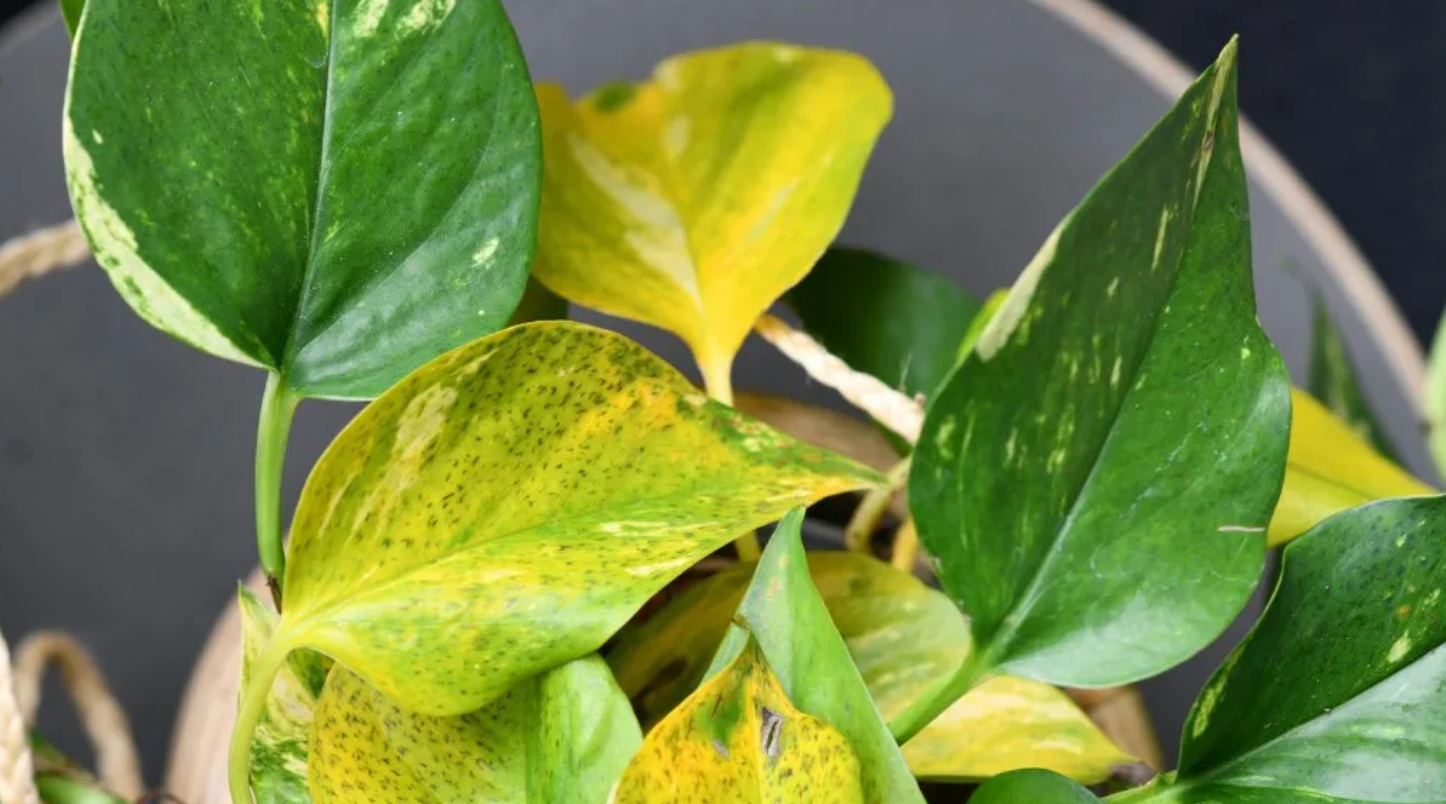
Yellow leaves on your Pothos typically appear as bright yellow or pale, faded foliage. They often start at the bottom or on older leaves and may look droopy or wilted. Sometimes, you might notice the leaves turning yellow with brown edges or spots, signaling different issues.
Why this matters
Yellowing leaves are your plant’s way of signaling distress or imbalance—like hunger, oversupply of water, or poor lighting conditions. Understanding this helps you act quickly to address the root cause before more damage occurs.
Common causes overview
- Overwatering: Excess water drowns roots, leading to root rot and yellow leaves.
- Underwatering: Lack of water causes dehydration, yellowing, and wilting.
- Improper lighting: Too little or too much light weaken the plant, resulting in pale or yellow leaves.
- Nutrient deficiencies: Lack of essential nutrients like nitrogen can cause leaves to yellow.
- Stress: Sudden changes in environment or repotting can shock your Pothos, causing yellowing.
Section 2: Diagnosing the Exact Cause
Follow these steps to understand why your Pothos’ leaves are turning yellow:
Cause 1: Overwatering
- Symptoms: Yellow leaves, especially starting from lower parts, often soft or mushy; root rot may develop if soil remains soggy.
- How to confirm: Gently remove the plant from its pot and check roots. Healthy roots are white and firm; rotten roots are brown and slimy.
- Why it happens: Excess watering prevents roots from accessing oxygen, encouraging bacterial growth and decay.
Cause 2: Underwatering
- Symptoms: Wilted, dry, or crispy yellow leaves, often with the plant appearing droopy.
- How to confirm: Feel the soil—if it’s dry several inches down, the plant needs water.
- Why it happens: Insufficient watering causes dehydration, making leaves yellow and dry out.
Cause 3: Insufficient light
- Symptoms: Pale, floppy, or yellowish leaves with slow growth.
- How to confirm: Evaluate the light in your space—your Pothos prefers bright, indirect sunlight. If it's in a low-light corner, this could be the culprit.
- Why it happens: Lack of adequate light hampers photosynthesis, weakening the plant and causing leaves to lose their color.
How to tell which one it is:
- Check soil moisture: Is it soaked or bone dry?
- Observe watering habits: Are you watering too frequently or not enough?
- Assess your lighting: Is the plant in bright, indirect light or in a shady spot?
- Consider recent changes: Has the plant been repotted or exposed to drafts? Use this information to pinpoint the primary issue affecting your Pothos.
Section 3: Treatment Solutions
Immediate Actions (First 24-48 Hours):
1. Check soil moisture and adjust watering: If soggy, allow soil to dry out; if very dry, water thoroughly.
2. Improve lighting: Move the plant to a brighter, indirect light spot.
3. Inspect roots (if necessary): Gently remove the plant from its pot to check for root rot; trim any brown, mushy roots with sanitized scissors and repot in fresh, well-draining soil.
Long-term treatment plan:
- Watering:
- Water your Pothos only when the top inch of soil feels dry.
- Use pots with drainage holes to prevent excess water from sitting.
- Fertilizing:
- Feed with a balanced houseplant fertilizer every 4-6 weeks during the growing season—this helps replenish nutrients like nitrogen that support healthy green leaves.
- Adjust environment:
- Provide bright, indirect sunlight—think east or west-facing windows.
- Keep humidity moderate—regular misting or a nearby humidifier can help, especially in dry environments.
- Path to recovery:
- Be patient: new healthy foliage should start emerging over the next few weeks.
- Continue monitoring soil moisture and lighting, adjusting as needed.
Natural remedies and chemical options:
- For root rot, trim affected roots and treat with a dilute hydrogen peroxide solution (1 part hydrogen peroxide to 4 parts water) to disinfect roots.
- Neem oil can naturally control pests that may cause stress and yellowing.
-
If deficiencies are suspected, applying a liquid fertilizer rich in nitrogen can promote healthy leaf growth. Recovery Timeline:
-
You might see some improvement within 2-4 weeks, especially if you adjust watering and lighting consistently. If yellowing persists or worsens, re-evaluate and consider repotting or consulting a plant specialist.
Section 4: Prevention Tips
Prevent future yellow leaves with these simple habits:
Care routine adjustments:
- Water only when topsoil is dry: Insert your finger to check moisture—water thoroughly, then let excess drain.
- Avoid overwatering: Use pots with drainage holes and empty excess water from saucers.
- Remove yellow or dead leaves: This encourages new growth and prevents disease spread.
Environmental factors:
- Provide bright, indirect light: A east or west-facing window is ideal.
- Maintain moderate humidity: Pothos tolerate normal household humidity but appreciate occasional misting.
- Minimize drafts and sudden temperature changes: Keep away from vents, heaters, and open windows. By maintaining consistent care routines and environmental stability, your Pothos will be less prone to yellowing leaves and more likely to flourish.
Frequently Asked Questions
Q: How long until I see improvement after fixing watering issues?
A: Usually within 2-4 weeks, as new, healthy foliage begins to grow. Consistency is key—stick to your adjusted watering schedule and light routine.
Q: Can yellow leaves turn green again?
A: Once a leaf turns yellow and dies, it won’t turn green again. However, new growth emerging after proper care should be healthy and vibrant green.
Q: Should I prune all the yellow leaves or only the fully yellowed ones?
A: Remove only completely yellow or damaged leaves. This helps the plant redirect energy to healthy growth while improving appearance.
Conclusion
Yellow leaves on your Pothos are signs that something in its environment or care routine needs adjustment. By understanding the causes—whether overwatering, underwatering, or lighting issues—you can effectively diagnose and treat the problem. Remember to make small, consistent changes: water carefully, provide bright indirect light, and keep your plant in a stable environment. Key Takeaways:
- Check soil moisture and watering habits regularly.
- Ensure your Pothos receives bright, indirect sunlight.
- Remove dead or yellowed leaves to promote healthy growth.
- Be patient—recovery takes time but is well within reach with attentive care. You're doing a wonderful job caring for your green friend. With love and consistent effort, your Pothos will bounce back to its rich, vibrant self in no time. Keep nurturing, and enjoy watching your indoor jungle thrive!