Quick Summary: Black spots on your Monstera deliciosa can be unnerving, but most issues are manageable with quick diagnosis and proper care. This article will explore common causes like fungal infections, watering mistakes, and pests, then guide you through effective remedies to help your plant recover beautiful, healthy leaves.
Introduction
Watching your beloved Monstera deliciosa develop black spots can be pretty concerning—your heart sinks a little. After all, every leaf tells the story of your plant's health, and black spots are often a sign that something’s off. But don't worry; you're not alone, and the good news is that most black spots are treatable. As a caring plant parent, your attentiveness and quick action can make all the difference. This guide will help you understand what might be causing the black spots on your Monstera, how to properly diagnose the problem, and what steps you can take to restore its health. Whether it's a fungal issue, watering hiccup, or pest concern, I’ll walk you through practical solutions—natural or chemical—that you can implement right away. With patience and proper care, your plant can bounce back, showcasing lush, vibrant leaves in no time.
Section 1: Understanding the Problem
Black spots on Monstera leaves are often startling but are typically symptoms of underlying problems rather than something to panic over. Recognizing what you’re seeing is the first move toward healing.
Visual Identification
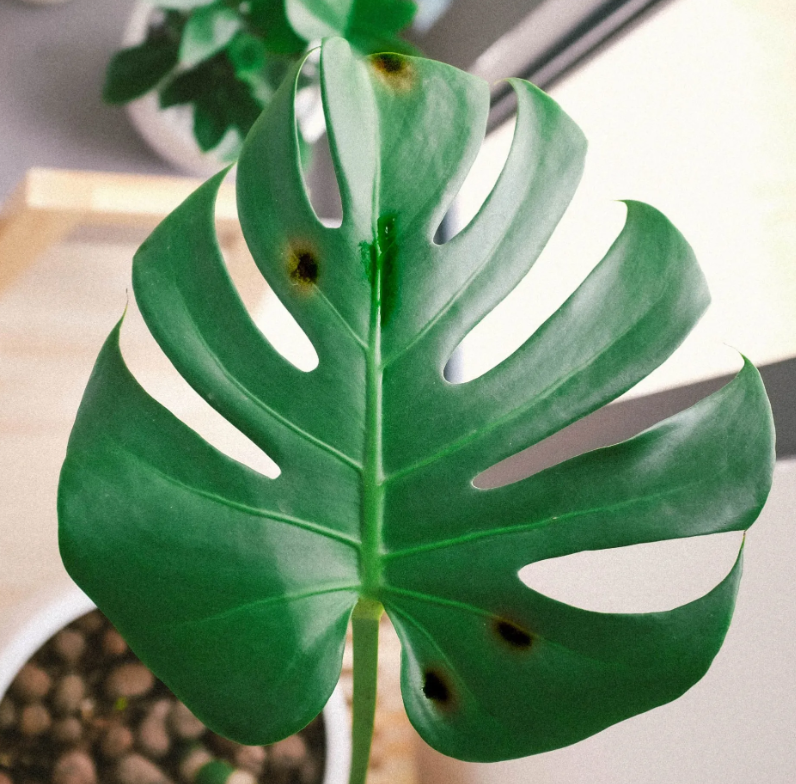
- Appearance: Black spots can vary in size—small specks or larger patches—and may appear with fuzzy or smooth edges. Sometimes, they’re surrounded by a yellowish halo, indicating inflammation or distress.
- Spread: Watch for spreading areas or spots that seem to be getting larger over time.
- Additional signs: Keep an eye out for other symptoms, such as yellowing leaves, soft or mushy spots, or wilting.
Common Causes Overview
- Fungal infections: Often caused by excess moisture, poor airflow, and contaminated soil, leading to black, moldy spots.
- Watering issues: Overwatering can drown roots, causing root rot that manifests as black or muddy spots on leaves.
- Pest damage: Scale insects, fungal gnats, or other pests might damage leaves directly or introduce disease.
- Environmental stress: Sudden temperature drops, low humidity, or too much direct sunlight can stress your plant, resulting in black spots. Understanding these common triggers helps you narrow down what’s happening to your Monstera.
Section 2: Diagnosing the Exact Cause
Pinpointing the root cause ensures you choose the right treatment. Here’s a simple diagnostic approach:
Cause 1: Fungal Infections
- Symptoms: Black, fuzzy patches with a cottony texture, often on the leaf surface; sometimes accompanied by moldy or slimy areas.
- Confirmation: Smell the soil—if it’s sour or rotten, fungal issues are likely.
- Why it happens: Excess humidity, poor air circulation, contaminated soil, or overwatering can promote fungal growth.
Cause 2: Overwatering or Watering Issues
- Symptoms: Black or brown spots, often soft or mushy, sometimes accompanied by yellowing leaves.
- Confirmation: Gently remove the plant from its pot to check roots; foul odor indicates root rot.
- Why it happens: Consistently soggy soil prevents roots from breathing, leading to decay which shows up as black spots.
Cause 3: Pest Damage
- Symptoms: Black spots may be related to pest marks, or you might see pests like scale insects, tiny gnats, or webbing.
- Confirmation: Inspect leaves and stems carefully—look for small, oval bumps (scale) or tiny flying insects.
- Why it happens: Pests weaken tissue and can introduce fungal or bacterial issues.
How to tell which cause it is
- Check for odor: Rotten smell suggests root rot.
- Look for pests: Small bumps or webbing, especially on the undersides of leaves.
- Examine the soil moisture level: Overly wet soil points to watering issues.
-
Assess leaf texture: Soft, mushy spots hint at rot, dry black spots signal fungal or environmental stress. Create a checklist:
-
Is the soil soggy or dry?
- Are pests visible?
- Do the spots look fuzzy or slimy?
- Is there a foul smell from the soil? Answering these helps you identify the precise cause.
Section 3: Treatment Solutions
Once you know what’s causing the black spots, you can take targeted steps to heal your Monstera. Here’s a straightforward plan:
Immediate Actions (First 24-48 Hours)
- Isolate the plant: Keep it away from other houseplants to prevent spread.
- Remove severely affected leaves: Use clean, sharp scissors or pruning shears to cut away leaves with extensive black spots, being careful not to damage healthy tissue.
- Adjust watering habits: Check moisture levels, and skip watering if soil feels wet.
- Improve air circulation: Move the plant to a spot with better airflow or gently mist the undersides of leaves to discourage fungal growth.
Long-Term Treatment Plan
- Treat fungal infections:
- Use organic fungicides like neem oil or bonsai fungicide. Spray on affected foliage according to the label.
- For severe cases, hydrogen peroxide (3%) diluted with water (1:3 ratio) can be dabbed onto spots to sanitize.
- Address overwatering:
- Repot your Monstera in well-draining soil if root rot is suspected.
- Ensure proper drainage: Use pots with drainage holes.
- Improve environmental conditions:
- Keep humidity around 60-70%, but avoid overly humid environments that promote fungi.
- Use a fan or open windows to ensure good airflow.
- Natural remedies for fighting fungi:
- Apply a mixture of neem oil and water, spray evenly on leaves weekly.
- Use hydrogen peroxide carefully on small spots for quick action.
Monitoring Progress
- Expect improvement within a couple of weeks if conditions are corrected.
- Look for new healthy growth, replacing the affected leaves gradually.
- Continue treatment until the black spots are gone and no new spots appear.
Warning Signs
- No improvement after 2-3 weeks.
- Spreading spots despite treatment.
- Persistent foul smell from soil or plant tissue. If these occur, consider consulting a local plant expert or removing the plant to prevent spread.
Section 4: Prevention Tips
Prevention beats cure, especially for delicate plants like Monstera deliciosa.
Care Routine Adjustments
- Water correctly: Water only when the top inch of soil feels dry. Reduce watering during cooler months.
- Use well-draining soil: A mix with peat, perlite, or orchid bark helps excess water drain.
- Maintain humidity: Aim for 60-70%, but ensure good ventilation to prevent fungal buildup.
- Avoid overhead watering: Water at the base to keep leaves dry and reduce fungal growth.
- Sunlight: Provide bright, indirect light—direct sun can scorch leaves, stressing the plant.
Environmental Factors to Monitor
- Air circulation: Use a small fan or open windows regularly.
- Temperature stability: Keep your Monstera between 65-80°F, avoiding temperature drops.
- Clean leaves: Wipe leaves regularly to prevent dust and prevent pests. Consistently applying these practices breaks the cycle of problems and keeps your Monstera vibrant and healthy.
Frequently Asked Questions
Q: How long until I see improvement after treatment?
A: In most cases, expect to see signs of healing within 2-4 weeks. New healthy leaves—free of black spots—indicate recovery. Patience and consistent care are key.
Q: Can my Monstera deliciosa fully recover from black spots?
A: Yes, if you identify and treat the underlying cause early, your Monstera has a good chance of full recovery. Sometimes, badly affected leaves may need removal, but overall health can improve with proper care.
Q: Should I prune or cut off affected leaves?
A: Absolutely. Removing black or mushy leaves prevents disease spread and encourages new growth. Use clean, sharp tools, and disinfect them after each cut.
Conclusion
Key Takeaways:
- Black spots on Monstera deliciosa often signal fungal infections, watering issues, or pests—most are fixable.
- Proper diagnosis is essential: inspect leaves, roots, and soil carefully.
- Implement targeted treatments like organic fungicides, improve airflow, and adjust watering routines.
- Prevent future problems by maintaining consistent care, good airflow, and healthy soil conditions. Remember, your plant’s health is within your hands. Recognizing early symptoms and taking quick, confident action can restore your Monstera’s lush beauty. Keep nurturing with patience, and soon, those black spots will be a thing of the past. Next steps: Inspect your Monstera today, correct any watering mistakes, treat with organic solutions if needed, and follow preventive care tips to enjoy vibrant, spot-free leaves.