Learn how to diagnose and fix leggy growth in your Jade Plant with practical tips, natural remedies, and prevention strategies for healthier, bushier plants.
Introduction
Is your Jade Plant becoming tall and stretched out? Don’t worry, you’re not alone. Many plant enthusiasts notice their Jade Plants developing long, spindly stems with sparse foliage, making them look unhealthy and leggy. Luckily, this is a common issue with straightforward solutions. In this article, we’ll explore why Jade Plants become leggy, how to accurately diagnose the cause, and practical steps you can take to restore your plant's lush, compact appearance. With a little patience and care, your Jade Plant can thrive again, becoming the beautiful centerpiece you desire.
Section 1: Understanding the Problem
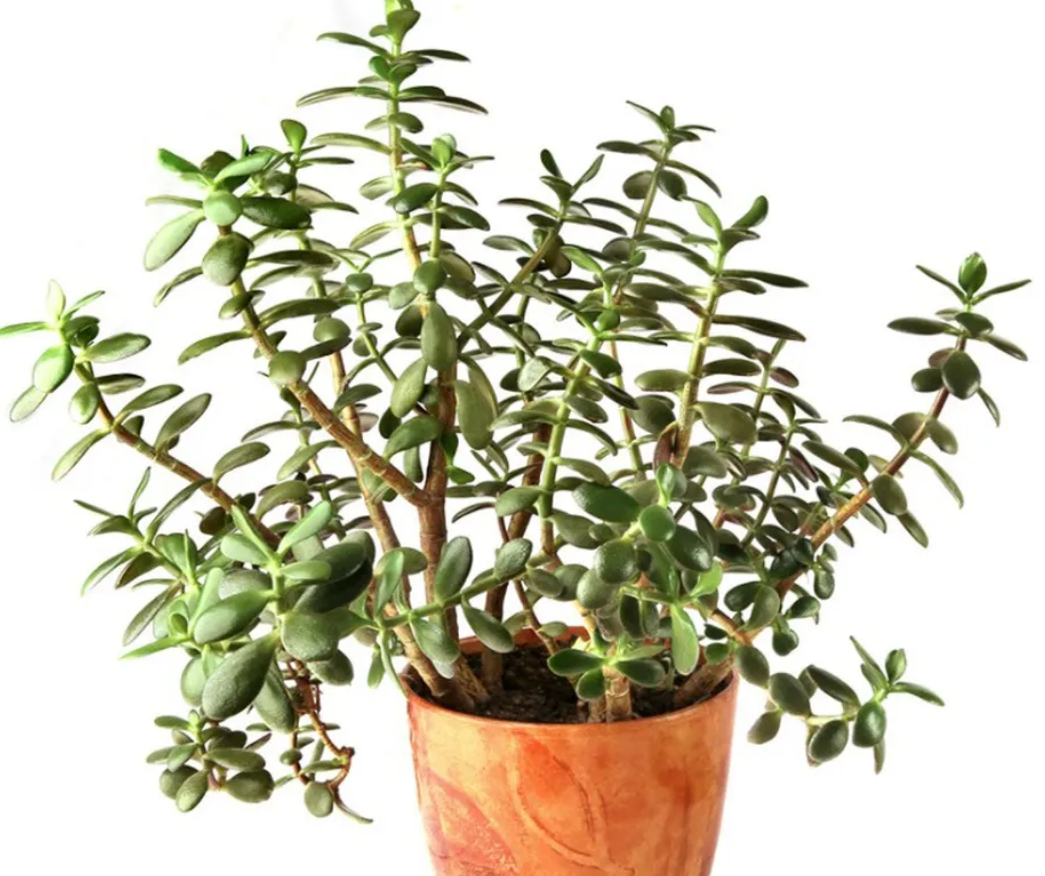
What Does Leggy Growth Look Like?
Leggy growth in Jade Plants is characterized by tall, thin stems with fewer leaves, often stretching out in search of light. The plant appears elongated, with gaps or bare stems between clusters of foliage. This not only affects its aesthetic appeal but can also weaken the plant’s structure over time.
Why Does Leggy Growth Happen?
The primary causes of leggy Jade Plants include:
- Insufficient Light: Jade Plants are succulents that thrive in bright, direct sunlight. When they don’t receive enough light, they stretch out to reach for the sun, leading to spindly growth.
- Overwatering and Poor Watering Habits: Excess moisture can weaken stems and inhibit healthy root development, indirectly promoting leggy growth.
- Nutrient Imbalances: Lack of essential nutrients or improper fertilization can stunt compact growth and encourage stretching.
Section 2: Diagnosing the Exact Cause
To effectively fix leggy growth, you need to identify what's causing it. Follow this step-by-step process:
Cause 1: Lack of Adequate Sunlight
- Signs: Tall, thin stems with sparse leaves, leaning toward window light.
- How to Test: Observe the plant’s orientation. If it’s consistently leaning or stretching towards light sources, it likely needs more direct sunlight.
Cause 2: Overwatering or Poor Watering Habits
- Signs: Soft, mushy stems or roots that appear rotten. The soil feels wet for long periods.
- How to Test: Check if the soil remains damp beyond a few days after watering.
Cause 3: Nutrient Deficiency or Improper Fertilization
- Signs: Slow growth and weak stems despite sufficient light and water.
- How to Test: Review your fertilization routine. Are you fertilizing during the plant’s active growing season? Are you using the correct type of fertilizer?
Which Factor is Most Affecting Your Plant?
To determine the primary cause:
- Assess the plant’s position relative to sunlight.
- Look at watering frequency and soil condition.
- Review feeding habits. Often, a combination of factors contributes, so addressing all these areas will yield the best results.
Section 3: Treatment Solutions
Once you've diagnosed the underlying cause, implement targeted fixes:
Increase Light Exposure
- Reposition Near a South-Facing Window: Jade Plants need at least 4-6 hours of direct sunlight daily. Move your plant to a sunny spot or rotate it regularly.
- Use Grow Lights: If natural light is limited, supplement with grow lights designed for indoor plants, keeping them on for about 12-16 hours a day.
Adjust Watering Habits
- Thorough but Infrequent Watering: Water only when the soil has completely dried out. During winter, reduce watering further.
- Ensure Proper Drainage: Use well-draining soil and pots with drainage holes to prevent excess moisture.
Fertilize Appropriately
- Use a balanced succulent or cactus fertilizer (like 10-10-10 or 20-20-20) during the active growing season (spring and summer), typically once a month.
Prune Leggy Stems
- Prune Back to Promote Branching: Trim the elongated stems just above a leaf node to encourage new growth from the base and create a bushier appearance.
- Use Clean, Sharp Tools: Disinfect scissors or pruning shears before cutting to prevent infections.
Natural Remedies to Stimulate Growth
- Organic Seaweed Extract: Diluted seaweed tea can enhance root growth and overall vitality.
- Diluted Hydrogen Peroxide: A mix of 1 part hydrogen peroxide to 4 parts water can stimulate root development when applied correctly.
Consider Chemical Growth Stimulants
- If natural methods are insufficient, low-dose organic growth stimulants designed for succulents may help promote denser foliage, applied according to instructions.
Section 4: Prevention Tips
Prevention is key to ensuring your Jade Plant remains lush and compact in the long run:
Provide Consistent, Adequate Sunlight
- Aim for at least 4-6 hours of direct sunlight daily, adjusting seasonally as needed.
Establish Proper Watering Routine
- Water deeply only when soil is dry, typically every 2-3 weeks, depending on humidity and temperature.
Fertilize During Active Growing Season
- Use a diluted succulent fertilizer monthly during spring and summer; avoid fertilizing in winter.
Repot When Necessary
- Repot your Jade Plant every 2-3 years or when roots become crowded. Use fresh, well-draining soil.
Monitor Environmental Conditions
- Avoid placing your plant in drafts or near heating/cooling vents, which can stress the plant and affect growth.
Conclusion
Recap: Proper light, watering, and pruning are the foundation of healthy Jade Plants. Addressing the root causes of leggy growth, whether it's insufficient sunlight, overwatering, or nutrient deficiencies, can dramatically improve your plant's appearance. Remember, patience and consistent care are essential—your Jade Plant can become lush, compact, and thriving again. Next steps: Start by assessing your plant’s current lighting and watering habits. Make targeted adjustments based on the diagnosis, and watch your Jade Plant regain its vibrant, bushy form.
FAQ
Q: How long until I see improvement after fixing the issues?
A: Typically, you can expect to see noticeable changes within a few weeks once you implement proper lighting and watering routines. New, healthy growth should start emerging from pruned stems or from the base as the plant responds to improved conditions.
Q: Can I prune my Jade Plant to encourage bushier growth?
A: Absolutely! Pruning is one of the most effective methods to promote fuller, bushier growth. Cut back leggy stems just above leaf nodes to stimulate branching. Regular pruning helps maintain a compact shape and encourages dense foliage.
Q: Are there natural ways to promote fuller growth in succulents?
A: Yes. Organic methods like applying diluted seaweed extract or organic growth stimulants can enhance root and shoot development naturally. Ensuring optimal conditions—light, water, and nutrients—is also crucial for healthy, fuller growth.
By following these guidelines, you'll be well on your way to cultivating a vibrant, lush Jade Plant that becomes a captivating focal point in your home. Happy gardening!