Quick Summary: Soft or limp leaves on your Fiddle Leaf Fig (Ficus lyrata) can be concerning, but often signal manageable issues like watering errors, low humidity, or root health problems. With proper diagnosis and adjustments, you can restore your plant’s vitality and beauty.
Introduction
Noticing your Fiddle Leaf Fig’s leaves feel soft or limp can be stressful—it's natural to worry about your beloved plant’s health. Leaf softness often signals that something is off, but don’t panic. Most issues causing soft, droopy leaves are fixable with a bit of care and attention. As a dedicated plant parent, you want what’s best for your plant and can restore it to its lush glory. In this article, I’ll walk you through understanding why your Fiddle Leaf Fig’s leaves are soft, how to diagnose the specific cause, and most importantly, how to treat and prevent this issue. With simple, actionable steps, you’ll be on your way to reviving your plant and keeping it happy and healthy.
Section 1: Understanding the Problem
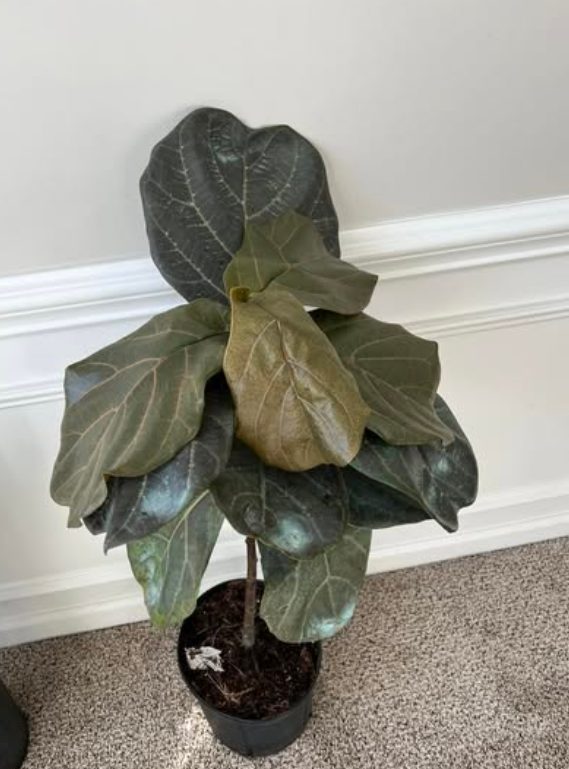
Visual Identification
Soft, limp leaves on a Fiddle Leaf Fig are usually wobbly, lacking their usual firm rigidity. You might notice:
- Wrinkling or drooping leaves that feel floppy when touched.
- Leaves that seem swollen or mushy in some cases.
- A loss of vibrant green color, sometimes turning yellow or brown at the edges.
- The overall look of your plant appears less upright and more wilted.
Common Causes Overview
Several factors can cause these symptoms, generally tied to water management, humidity, or root health. The main culprits include:
- Overwatering, leading to root rot
- Underwatering, causing drought stress
- Low humidity indoors, drying out leaves
- Temperature stress, drafts or excessive heat
- Root issues from prior overwatering or pests Understanding these causes is the vital first step in restoring your plant's health.
Section 2: Diagnosing the Exact Cause
Follow These Diagnostic Steps
Carefully observe and assess your plant’s environment and condition to identify what’s causing soft leaves:
Cause 1: Overwatering
- Symptoms: Mushy, waterlogged soil; root rot signs like black, slimy roots.
- How to confirm: Gently remove the plant from its pot and examine the roots—healthy ones are white and firm; affected roots are brown/black and mushy.
- Why it happens: Excess water suffocates roots, leading to rot and poor water/nutrient uptake, causing leaves to soften and wilt.
Cause 2: Underwatering
- Symptoms: Dry, crusted soil; leaves feel limp and crispy at the edges.
- How to confirm: Soil is very dry about an inch below surface; leaves are weak and may start yellowing.
- Why it happens: Lack of water causes dehydration, leaves lose turgor pressure, become limp and droopy.
Cause 3: Low Humidity or Temperature Stress
- Symptoms: Dry leaf edges, brittle tips, overall drooping.
- How to confirm: Indoor air is dry (less than 30% humidity), or the plant is near drafts or heating vents.
- Why it happens: Dry air strips moisture from leaves, causing them to wilt and soften.
How to tell which cause it is
- Check soil moisture with your finger or a moisture meter.
- Inspect roots for rot or damage.
- Observe environmental conditions—are there drafts, heating/cooling issues?
- Match symptoms with findings: soggy soil points to overwatering; dry soil suggests underwatering; dry air causes leaf dehydration.
Section 3: Treatment Solutions
Immediate Actions (First 24-48 Hours)
- Examine the soil moisture—allow the top inch to dry out before watering again.
- Ensure proper drainage—check that your pot has drainage holes; remove excess water.
- Adjust watering habits—water only when soil is dry at the surface.
- Relocate your plant to a spot with stable temperatures (around 65-75°F), away from drafts or heating vents.
- Increase humidity—mist leaves, place a water tray beneath the pot, or use a humidifier.
Long-Term Treatment
- Address possible root rot:
- Carefully remove the plant from its pot.
- Rinse the roots gently under water.
- Use sterile scissors to trim away black or mushy roots.
- Repot in a well-draining soil like Aroid Mix or a cactus/succulent blend.
- Consider adding a natural antimicrobial like hydrogen peroxide (3%) to the water during root cleaning—just dip roots briefly, then rinse thoroughly.
- Improve humidity: Use a humidifier or group plants together to create a microenvironment with higher moisture.
- Monitor watering schedule: Water thoroughly when the top inch of soil feels dry, avoiding waterlogging.
- Maintain consistent temperatures: Keep away from drafts, cold windows, or hot vents.
What to Expect During Recovery
Initially, affected leaves might stay limp or yellow. With proper care, new growth should become firm and vibrant within a few weeks. Patience is key—root regrowth and leaf firmness take time.
Section 4: Prevention Tips
Prevent future soft leaf issues with these simple but effective practices:
- Establish a regular watering routine: Water only when the top inch of soil feels dry; usually once a week depending on your environment.
- Ensure proper drainage: Use pots with drainage holes and well-draining soil to avoid excess moisture.
- Maintain optimal environmental conditions: Keep your Fiddle Leaf Fig in a stable 65-75°F spot with humidity around 40-60%.
- Avoid drafts and temperature fluctuations: Keep away from air conditioning vents, heaters, or cold windows.
- Regularly inspect roots and leaves: Catch problems early before they worsen.
Frequently Asked Questions
Q: How long until I see improvement after fixing watering issues?
A: Typically, you’ll notice the leaves start to firm up within 1-2 weeks as new, healthy growth appears. Patience and consistent care are crucial.
Q: Can my Fiddle Leaf Fig fully recover from soft leaves caused by root rot?
A: Yes, if you prune away affected roots and repot in well-draining soil, the plant can recover. Expect new growth in a few months if it’s given proper care.
Q: Should I prune soft, damaged leaves or wait for recovery?
A: Yes, removing severely limp or yellowing leaves benefits your plant by redirecting energy to healthy growth. Wait until new, firm leaves emerge before pruning further.
Conclusion
Key Takeaways:
- Soft, limp leaves on your Fiddle Leaf Fig often result from watering errors, low humidity, or root problems.
- Accurate diagnosis involves checking soil moisture, root health, and environmental factors.
- Address issues promptly with appropriate watering, repotting if necessary, and humidity management.
- Prevent future problems with a consistent care routine, suitable environment, and regular inspections.
- With patience and attentive care, your Fiddle Leaf Fig can recover and flourish again. Rest assured—your plant’s health is within your control. By making these simple adjustments, you’ll help it bounce back stronger and more vibrant than ever. Keep caring, keep monitoring, and enjoy your thriving indoor garden!