Discover why your Philodendron develops black spots and learn effective diagnosis and treatment tips to restore its health and prevent future problems.
Introduction
Spotting black spots on your beloved Philodendron can be truly worrying—especially when you’re eager to keep your indoor garden lush and healthy. Black spots can appear suddenly, making you wonder what went wrong and how to fix it. But don’t panic. These issues are common, and with the right knowledge and care, your plant can recover beautifully. This article will walk you through understanding what causes black spots, how to accurately diagnose the problem, and the most effective ways to treat and prevent it. Rest assured, you’re capable of restoring your Philodendron’s vibrant health!
Section 1: Understanding the Problem
Visual identification of black spots on leaves
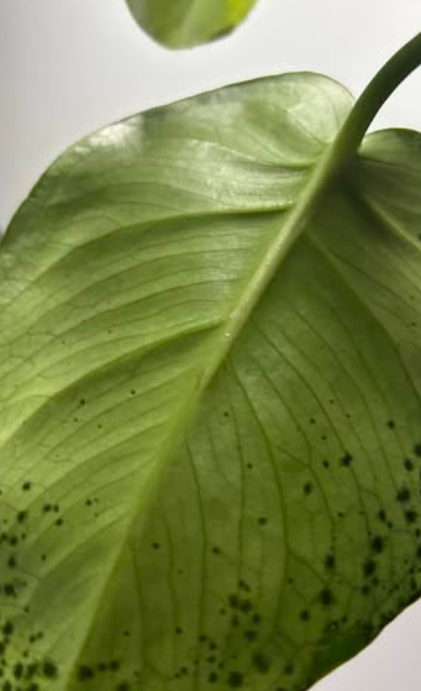
Black spots on Philodendron leaves often appear as small, round, or irregular patches that are dark black or brownish black in color. They may be surrounded by yellow or brown edges, and as the problem worsens, the spots can spread, causing leaves to turn yellow, wilt, or even fall off. Inspect your plant carefully to distinguish whether the spots are only surface-level or if they are accompanied by other symptoms like soft, mushy leaves or a foul odor from the roots—which can indicate deeper issues such as root rot.
Common causes overview
Black spots can result from several common problems, often interrelated:
- Fungal infections: Especially leaf spot diseases caused by fungi like Cercospora or Colletotrichum, which thrive in humid, damp conditions.
- Overwatering: Excess water can lead to root rot, which manifests as black spots on the leaves and stems.
- Poor air circulation: Stagnant air creates a perfect environment for fungi and bacteria to develop.
- Physical injury or environmental stress: Damage from handling, pet activity, or sudden changes in temperature or light can cause localized black spots or necrosis.
Section 2: Diagnosing the Exact Cause
Accurate diagnosis is essential to applying the right treatment. Here's a step-by-step approach:
Cause 1: Fungal infections (e.g., leaf spot disease)
- Signs: Small black or brown spots with distinct edges, often spreading over leaves. Spots may be dry or ooze a dark substance.
- Diagnosis tip: Check if spots appear after high humidity or overwatering and if they have fuzzy growth or mold.
Cause 2: Overwatering leading to root rot and leaf damage
- Signs: Wilted, yellowing leaves, soft or darkened roots when you inspect the pot.
- Diagnosis tip: If you notice black spots on lower leaves combined with soggy soil, root rot is likely.
Cause 3: Physical injury or environmental stress
- Signs: Localized black necrotic spots, often near the leaf edges or points of damage.
- Diagnosis tip: Think about recent handling, drafts, or sudden temperature drops that may have caused stress.
How to differentiate between causes
- Check the environment: Is it consistently damp or poorly ventilated? High humidity favors fungal growth.
- Inspect the roots: Gently remove the plant from its pot to examine root health.
- Observe recent changes: Has the plant been physically damaged or exposed to stress?
Section 3: Treatment Solutions
Once you've pinpointed the cause, you can employ targeted remedies:
Immediate actions
- Prune affected leaves: Use clean, sharp scissors or pruning shears to cut away blackened, damaged parts. Dispose of the debris properly to prevent spreading.
- Sterilize tools: To avoid cross-contamination, disinfect pruning tools with rubbing alcohol.
Natural remedies
- Neem oil: A natural fungicide that can help control fungal infections—apply according to product instructions.
- Fungicidal sprays: For stubborn fungal spots, use a copper-based fungicide or other horticultural fungicides suitable for indoor plants.
Chemical treatments
- Copper-based fungicides: These are effective for severe fungal infections but should be used carefully, following label instructions.
- Avoid excessive chemicals: Use as a last resort and always in a well-ventilated area.
Adjust watering habits and improve airflow
- Water only when the top inch of soil is dry to prevent overwatering.
- Ensure good ventilation around your plant—use fans or open windows periodically.
- Maintain humidity at moderate levels—not too damp to encourage fungi, and not too dry to cause stress.
Long-term care
- Repotting: If root rot is present, trim away diseased roots and repot in fresh, well-draining soil.
- Healthy soil maintenance: Use soil mixes designed for aroids that promote drainage and aeration.
- Consistent watering schedule: Establish a routine that prevents waterlogging while keeping the plant adequately hydrated.
Recovery expectations
- Monitor your Philodendron regularly after treatment. New, healthy leaves will indicate recovery. Be patient—full recovery can take several weeks, but with consistent care, your plant can bounce back.
Section 4: Prevention Tips
Prevention is always better than cure. Here are key strategies to keep black spots at bay:
Maintain proper watering habits
- Water only when the soil is dry on the surface.
- Use pots with drainage holes to prevent excess water buildup.
Enhance air circulation
- Avoid overcrowding by spacing plants adequately.
- Use fans or open windows to increase airflow, especially in humid environments.
Use well-draining soil
- Choose a soil mix formulated for indoor houseplants or aroids, which drains excess water efficiently.
Regular inspections
- Check your Philodendron weekly for early signs of pests, diseases, or stress.
- Remove any fallen leaves or debris to reduce fungal spores.
Protect from physical damage and environmental stressors
- Handle your plant gently during watering or pruning.
- Keep your plant away from drafts, rapid temperature changes, or direct heating/cooling vents.
Conclusion
Recognizing and managing black spots on your Philodendron doesn’t have to be daunting. By understanding the common causes—such as fungal infections, overwatering, and physical injury—you can take targeted action to treat the problem effectively. Remember, starting with careful diagnosis, promptly pruning affected areas, adjusting watering practices, and improving airflow sets your plant on the path to recovery. Implementing consistent prevention strategies will help keep your Philodendron healthy, vibrant, and free of black spots in the future. Your plant’s resilience is remarkable—with attentive care, your green companion can not only recover but thrive once again!
FAQ
Q: How long does it take for black spots to disappear after treatment?
A: The time frame varies depending on the severity of the problem. Mild fungal spots may begin to fade within a week of treatment, but complete recovery—new healthy leaves—can take 3-6 weeks. Consistency in care and early intervention are key to faster recovery.
Q: Can I save my plant if only a few leaves are affected?
A: Yes. If affected leaves are pruned promptly and the underlying cause is addressed, the rest of the plant can recover. Focus on improving environmental conditions, avoiding overwatering, and monitoring for new issues.
Q: Should I prune all affected leaves or just the most damaged parts?
A: Prune only the affected leaves at their base, removing the entire leaf if necessary. For minor spots, cutting the damaged part may suffice. Always sterilize your tools before pruning to prevent spreading pathogens. Remove heavily damaged or diseased leaves to promote healthy growth.
With dedication and proper care, your Philodendron will soon regain its lush, vibrant beauty. Happy gardening!