Quick Summary: If your Monstera deliciosa is showing yellowing leaves, it’s understandable to feel worried—these symptoms often signal underlying issues that can be corrected. With some simple diagnosis and care adjustments, you can restore your plant’s vibrant green and health, turning yellow leaves into a thing of the past.
Introduction
Noticing yellow leaves on your beloved Monstera deliciosa can be quite alarming—after all, this plant is often the star of your indoor garden, bringing lush greenery and a tropical vibe to your home. When its leaves turn yellow, it’s natural to feel a mix of concern and frustration. Is it overwatering? Underwatering? Something more serious? The good news is, yellow leaves are often a symptom of something fixable—none of which spells doom for your plant. In this guide, we’ll explore why your Monstera’s leaves yellow and how to diagnose the root cause accurately. From there, I’ll walk you through practical, proven solutions—ranging from watering tweaks to fertilization tips—that will help your plant bounce back strong and vibrant. Remember, caring for plants is a journey, and even setbacks provide learning opportunities. With patience, attention, and the right actions, your Monstera can recover beautifully. Let’s get started!
Section 1: Understanding the Problem
Yellowing leaves are like the plant’s distress signals—warning you that something in its environment or care routine needs adjustment. Usually, this issue stems from three common causes:
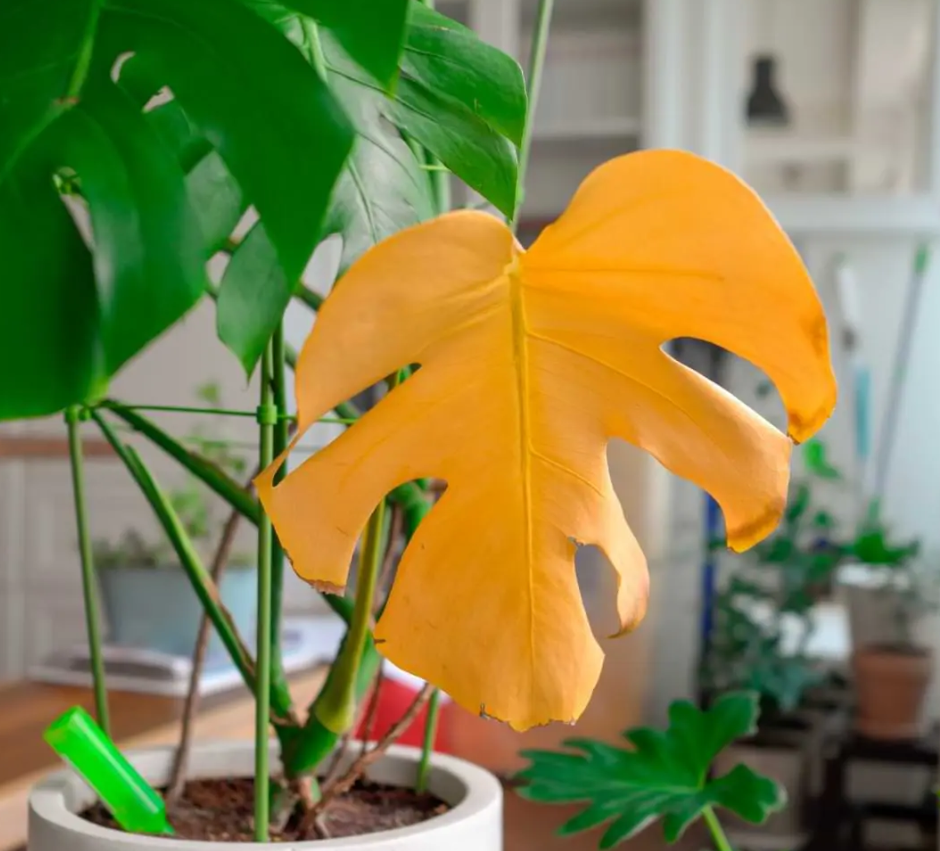
Visual Identification
- The affected leaves turn yellow, possibly starting from the bottom or edges.
- Leaves may appear soft and wilted if overwatered, or dry and crispy if underwatered.
- The yellowing might be persistent or sudden, depending on the cause.
- Roots may appear mushy or black if rotted, which requires immediate attention.
Common Causes Overview
- Overwatering: Excess water drowns roots, causes rot, and leads to yellowing.
- Underwatering: Lack of water stresses the plant, causing leaves to yellow and dry out.
- Nutrient Deficiencies: Insufficient nutrients, especially nitrogen, give leaves a pale or yellow hue.
- Poor Drainage: Soil that holds too much water promotes root rot.
- Environmental Stress: Sudden changes in light, drafts, or temperature fluctuations can stress your plant. Understanding these signs is vital because each cause needs a tailored solution. Mistaking overwatering for underwatering, for example, can do more harm than good.
Section 2: Diagnosing the Exact Cause
Before acting, it’s best to pinpoint what’s really causing the yellow leaves. Here’s how to proceed:
Cause 1: Overwatering
- Symptoms: Leaves are yellow and soft, stems may feel limp, soil stays consistently wet.
- How to confirm: Check the soil moisture—insert your finger about an inch deep; if damp, overwatering is likely.
- Why: Excess water suffocates roots, leading to root rot. Roots turn black and slimy, unable to absorb nutrients.
Cause 2: Underwatering
- Symptoms: Leaves turn yellow, then wilt, become dry, brittle, and brown at edges.
- How to confirm: Soil is dry several inches down; the plant looks wilting despite watering.
- Why: The plant is dehydrated, signaling needs for water. Leaves conserve moisture by turning yellow.
Cause 3: Nutrient Deficiency
- Symptoms: Older leaves yellow first, while new growth stays healthy.
- How to confirm: Plant hasn’t been fertilized recently; the potting soil may lack nutrients.
- Why: A lack of nitrogen or other essential nutrients hampers chlorophyll production.
How to Tell Which Cause?
- Check soil moisture: Damp soil suggests overwatering, dry suggests underwatering.
- Inspect roots: Gently remove the plant from its pot and look for black or mushy roots for rot.
- Review watering habits: Frequency and amount matter—are you watering on a schedule or only when it looks dry?
- Environmental review: Any recent changes in light (too little or too intense), drafts, or temperature swings? Use this checklist to narrow down your plant’s issue, ensuring you apply the right fix.
Section 3: Treatment Solutions
Addressing the culprit effectively will turn your Monstera’s yellow leaves into healthy green once again. Here's a step-by-step plan:
Immediate Actions (First 24–48 Hours)
-
Adjust watering:
-
For overwatered plants: Allow the soil to dry out completely before watering again.
- For underwatered plants: Water thoroughly until excess drains from the bottom.
-
Inspect roots:
-
Gently remove the plant from the pot.
- Rinse soil off roots under running water.
- Cut away mushy, black, or rotten roots with sterilized scissors.
-
Ensure proper drainage:
-
Use pots with drainage holes.
- Place a layer of gravel or broken pottery at the bottom if needed.
Long-Term Treatment
-
Fertilize wisely:
Use a balanced houseplant fertilizer (like 20-20-20) every 4–6 weeks during the growing season to restore nutrients. -
Repot if necessary:
If soil is poor or root damage is significant, repot your Monstera in fresh, well-draining soil formulated for tropical plants. -
Maintain consistent watering:
Water only when the top inch of soil feels dry. Use your finger or a moisture meter for accuracy. -
Foster healthy growth:
Place your Monstera in bright, indirect light. Too little light can cause yellowing; direct sun can scorch leaves.
Additional Tips
- Natural remedies:
- A diluted neem oil spray can help control pests that might stress your plant.
- Hydrogen peroxide (3%) mixed with water (1:4) can be used to treat root rot if diluted properly.
- Monitor and prune:
Remove yellow, dead, or damaged leaves to encourage new growth and prevent pests. Expected Timeline:
If caught early, you should see improvement within a few weeks after correcting watering and soil conditions. Persistent issues, like root rot, may require longer or multiple treatments. Warning Signs Treatment Isn’t Working:
If leaves continue yellowing after 4–6 weeks of proper care, reassess the root health or consider potential pests or environmental stressors.
Section 4: Prevention Tips
The best way to keep your Monstera deliciosa lush and healthy is through consistent, attentive care:
- Proper watering routine:
- Water only when the top inch of soil is dry.
- Use pots with drainage holes.
- During warmer months, watering frequency may increase to once weekly; reduce in winter.
- Ideal light conditions:
- Bright, indirect sunlight (near a window with sheer curtains) is perfect.
- Avoid direct sunlight, which can scorch leaves, and low-light conditions, which encourage yellowing.
- Maintain humidity:
- Monsteras love humidity—consider misting or using a humidifier if air is dry.
- Keep temperatures steady, avoiding drafts or sudden temperature drops.
- Regular fertilization:
- Feed every 4–6 weeks during active growth with a balanced fertilizer.
- Reduce feeding in winter when growth slows.
- Consistent monitoring:
- Check soil moisture regularly.
- Look out for pests like spider mites or scale, which can stress the plant. By establishing a routine and closely observing your plant, you prevent most issues before they escalate.
Frequently Asked Questions
Q: How long until I see improvement after fixing watering issues?
A: Typically, you’ll notice changes within 2 to 4 weeks. New growth should be vibrant green and healthy. If leaves continue yellowing, recheck your care routine or inspect roots for ongoing problems.
Q: Can yellow leaves turn green again?
A: Yes, yellowing leaves can sometimes recover and turn green if the cause is corrected early. However, leaves that are completely dried out or brown won't turn back—prune these to focus on healthy new growth.
Q: Should I prune all the yellowed leaves or only the severely damaged ones?
A: It’s best to prune only the leaves that are entirely yellow or brown. Removing them helps the plant direct energy toward healthy growth. Use sharp, sterilized scissors to prevent infection.
Q: Is it safe to use chemical fertilizers or treatments?
A: Yes, but follow instructions carefully. For organic options, herbal teas or compost can be gentle and effective. If using chemical treatments, apply in moderation, and avoid over-fertilizing, which can cause additional stress.
Q: How can I prevent future yellowing?
A: Establish a consistent routine: water when the soil is dry, ensure proper light and humidity, fertilize appropriately, and regularly inspect your plant. This proactive approach will minimize stress and health problems.
Conclusion
Yellow leaves on your Monstera deliciosa are signs of imbalance, but they’re also clues to guide your next care steps. Remember:
- Check your watering habits—both over and under watering can cause yellowing.
- Inspect roots if necessary, and trim any rot.
- Improve soil drainage and use balanced fertilizer.
- Provide ideal lighting and humidity to support healthy growth. With patience and attentive care, your Monstera can return to its lush, vibrant self. Don’t be discouraged; every plant issue is a chance to learn and grow as a plant parent. Your plant’s beautiful, healthy future starts today—so go ahead, give it some love!