Noticing your ZZ plant's stems look wilted or mushy? Root rot might be the culprit, but don't worry — help is available!
Your beloved ZZ plant is known for being hardy and low-maintenance, making it a popular choice for indoor spaces. However, even the most resilient plants can suffer from root rot, especially when care routines go awry. If your ZZ plant's stems are showing signs of distress, it’s essential to understand what’s happening beneath the surface.
This article will guide you through recognizing root rot on stems, diagnosing the underlying causes, treating the problem effectively, and preventing future issues. With patience and proper care, you can restore your ZZ plant’s health and enjoy its lush, vibrant foliage once again.
Section 1: Understanding the Problem
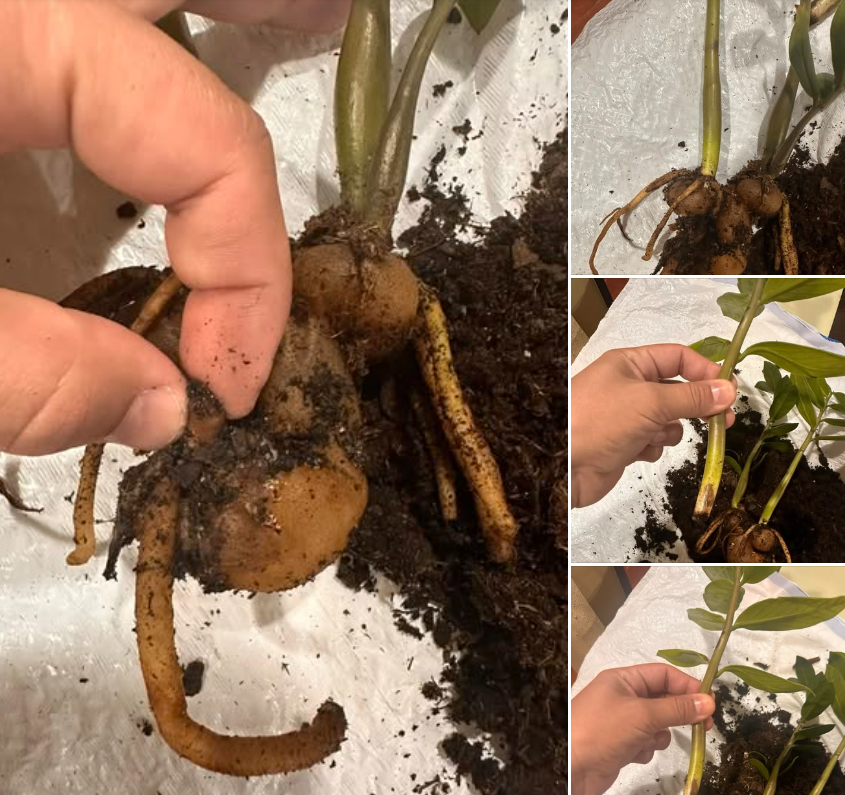
Visual identification of stem mushiness, discoloration, and wilting
One of the first signs of root rot on stems is a change in the plant's appearance. Look for:
- Mushy or soft stems that feel limp or bend easily
- Discoloration, such as yellowing, browning, or dark spots on stems
- Wilting or drooping stems despite adequate light and care
- Foul smell coming from the soil or decayed plant tissue Sometimes, the rot starts at the base of the stems, making it seem like the plant is collapsing or losing its structure.
Common causes: overwatering, poor drainage, root damage, high humidity
Understanding why root rot occurs is crucial. The main culprits include:
- Overwatering: ZZ plants prefer infrequent watering, and excess moisture leads to waterlogged soil, creating ideal conditions for fungi and bacteria.
- Poor drainage: Using pots without drainage holes or dense, compacted soil traps excess water around roots.
- Root damage: Injury during repotting or handling can weaken roots, making them vulnerable to rot.
- High humidity and poor airflow: Excess moisture in the air can contribute to fungal growth, especially in enclosed indoor environments.
Section 2: Diagnosing the Exact Cause
Follow a step-by-step process to determine the root cause of the stem rot
Accurate diagnosis will guide your treatment approach. Here's how:
Cause 1: Overwatering leading to waterlogged soil and root decay
If your plant has been watered frequently or the soil stays wet for days, overwatering is likely the cause. Check the soil's moisture level; if it feels soggy, this is a red flag.
Cause 2: Poor drainage or compacted soil trapping excess moisture
Examine the pot’s drainage capabilities. If water pools at the bottom or the soil feels dense and poorly aerated, these are signs that drainage is inadequate.
Cause 3: Root damage during repotting or handling
If you've recently repotted or moved your ZZ plant, inspect the roots for cuts, bruises, or frayed tissue. Damaged roots are more susceptible to infection.
How to tell which cause applies to your plant
- Inspect the soil: If overly wet and standing water is present, overwatering or poor drainage is likely.
- Examine the roots: If roots are brown, black, mushy, or have a foul smell, rot has set in.
- Recall recent care: Any recent repotting or handling that might have injured roots?
Section 3: Treatment Solutions
Implement specific fixes based on the diagnosed cause, including immediate and long-term steps
Immediate actions: remove affected stems, inspect roots, and adjust watering
- Remove the plant from its pot carefully to examine the roots.
- Identify and cut away all rotten roots and stems using sterilized pruning shears or scissors. Use clean tools to prevent further infection.
- Dispose of severely damaged parts to prevent the spread of rot.
- Allow the plant to dry in a shaded, well-ventilated area for a few hours before repotting.
Long-term treatment: repot with well-draining soil, prune damaged roots, and sanitize tools
- Choose a pot with drainage holes to prevent water from accumulating.
- Use a well-draining soil mix designed for succulents and cacti—often containing sand, perlite, or pumice.
- Replant the ZZ plant, ensuring roots are spread out gently and soil is firm but not compacted.
- Disinfect tools after use with rubbing alcohol or a bleach solution to prevent infection.
During recovery: maintain proper watering, improve airflow, and monitor for signs of relapse
- Water only when the top inch of soil feels dry.
- Place the plant in a location with good airflow and indirect sunlight.
- Avoid high humidity environments.
- Regularly inspect stems and roots for early signs of trouble.
Section 4: Prevention Tips
Learn how to avoid root rot on stems in the future through better care practices
- Adjust watering routines: Water your ZZ plant only when the top inch of soil is dry. During winter, reduce watering frequency further.
- Use well-draining soil and pots with drainage holes: This prevents excess water from stagnating around roots.
- Ensure proper airflow and avoid excessive humidity: Place your plant in a well-ventilated room, and avoid placing it in humid bathrooms or kitchens.
- Regularly inspect roots and stems: Early detection of subtle changes can save your plant from severe rot.
Conclusion
Recap the importance of correct diagnosis, prompt treatment, and preventive care to keep your ZZ plant healthy
Dealing with ZZ plant root rot on stems can be distressing, but with careful diagnosis and swift action, you can revive your plant. Remember, identifying the root cause—whether overwatering, poor drainage, or handling damage—is key to effective treatment.
Encouragement
With patience, proper care, and preventive measures, your ZZ plant can recover and thrive once again. Don’t give up; your green companion needs your attentive care.
Next steps
Start by thoroughly inspecting your plant’s roots and stems. Follow the treatment plan outlined above, and adopt better watering and soil practices to ensure your ZZ plant remains healthy and resilient.
FAQ
Q: How long until I see improvement after treatment?
A: Typically, you can expect to see signs of recovery within a few weeks, such as new growth or improved stem firmness. However, full recovery might take longer depending on the extent of root damage. Patience and consistent care are essential.
Q: Can my ZZ plant fully recover from stem rot?
A: Yes, if the rot is caught early and the affected parts are properly removed, your ZZ plant has a good chance of full recovery. Severe cases involving extensive root or stem damage may require more time and care, but recovery is still possible.
Q: Should I prune all affected stems and roots?
A: Yes, prune away all visibly rotten stems and roots using sterilized tools. Removing infected tissue prevents the spread of rot and promotes healthy new growth.
Your ZZ plant is resilient, and with the right steps, you can restore its lush beauty. Keep an eye on it, provide proper care, and enjoy the satisfaction of nurturing your indoor garden!