Discover why your Jade Plant has sticky leaves and learn effective solutions to restore its health with practical care tips and preventive measures.
Introduction
Noticing sticky leaves on your Jade Plant can be quite worrying, especially if you're dedicated to keeping your indoor garden thriving. Fortunately, this is a common issue that many plant enthusiasts face, and often, it’s easy to fix when you understand what's causing it.
This article will help you identify why your Jade Plant's leaves are sticky, diagnose the root problem, and apply practical remedies to bring your plant back to health. With proper care and attention, your Jade can recover beautifully. Let's explore the reasons behind sticky leaves and how to solve them effectively.
Section 1: Understanding the Problem
Visual Identification: Sticky Residue, Glossy Surface, Possible Discoloration
Sticky leaves on a Jade Plant typically appear as a shiny, often oily-looking film on the surface of the leaves. You might notice a slight discoloration or a sticky residue that feels slick to the touch. Sometimes, this residue is accompanied by a sticky substance that drips or collects on nearby surfaces, creating a mess that can be both unsightly and concerning.
Common Causes Overview: Pest Infestation, Sap Excretion, Fungal Issues, or Environmental Stress
There are several common reasons why Jade Plants develop sticky leaves:
- Pest Infestation: Especially involving sap-sucking pests like scale insects and mealybugs.
- Sap Excretion: The plant may be secreting excess sap as a defense mechanism.
- Fungal or Mold Residue: Certain fungal infections can produce sticky, moldy coatings.
- Environmental Stress: Overwatering, temperature fluctuations, or sudden changes in environment can cause sap to leak as a stress response. Understanding which of these factors is at play is crucial for effective treatment.
Section 2: Diagnosing the Exact Cause
Cause 1: Sap-Sucking Pest Infestation (e.g., Scale Insects, Mealybugs)
Visual clues: You’ll often see tiny bumps (scale insects) or fuzzy white spots (mealybugs) on the leaves, stems, or even roots. These pests feed on plant sap and excrete sticky honeydew, which causes the sticky leaves. Inspection tip: Gently examine the undersides of leaves and all crevices of the stem with a magnifying glass or your fingertips.
Cause 2: Fungal Infection or Residue from Fungal Mold
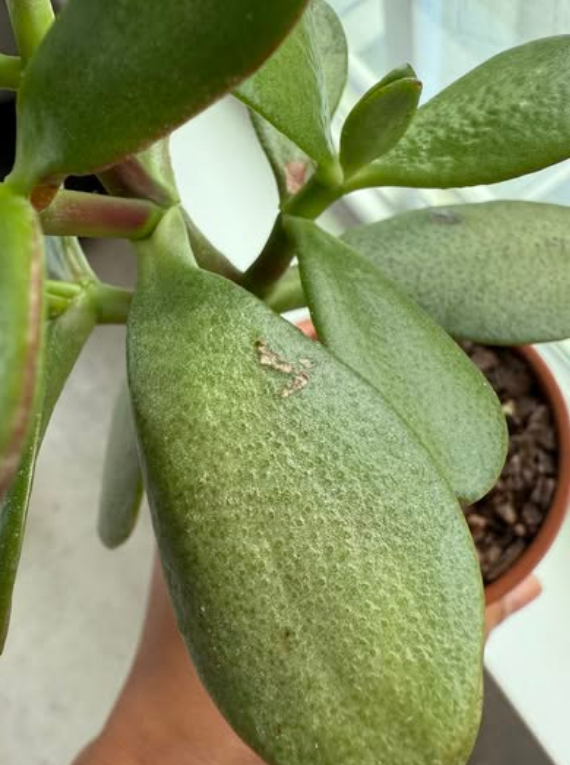
Visual clues: A fuzzy or moldy appearance combined with sticky, slimy patches. The sticky residue may look more like a fungal mat or coating. Inspection tip: Check for unusual fuzz, discoloration, or mold growth, especially in humid or poorly ventilated areas.
Cause 3: Environmental Stress Leading to Sap Excretion (Overwatering or Temperature Stress)
Visual clues: Excessive sap secretion on healthy-looking leaves, often after overwatering or exposure to temperature fluctuations. Inspection tip: Trace back to watering habits or recent environmental changes that may have stressed the plant.
How to tell which cause applies to your plant: visual clues and inspection tips
- Use a magnifying glass for pests.
- Observe for fuzzy or moldy substances.
- Recall recent watering or environmental changes.
- Consider whether the plant previously showed signs of pests or fungal issues. Identifying the root cause will guide you to the most effective treatment.
Section 3: Treatment Solutions
Immediate Actions to Take
- Gently wipe the leaves with a soft damp cloth or sponge to remove surface residue.
- Inspect carefully for pests, and remove any visible insects manually if possible.
Specific Treatments
- For pest infestations: Use insecticidal soap or neem oil. Spray thoroughly on affected areas, including undersides of leaves, and repeat every 7-10 days until pests are gone.
- For fungal issues: Apply an appropriate fungicide designed for indoor plants, following the manufacturer's instructions.
- For sap excretion caused by stress: Do not overwater; allow the soil to dry out between watering, and provide stable environmental conditions—avoid sudden temperature drops or drafts.
Long-term Care
- Adjust watering: Jade Plants are succulents and prefer well-draining soil with infrequent watering.
- Improve airflow: Ensure your plant is in a well-ventilated spot to prevent fungal growth.
- Avoid overfeeding: Too much fertilizer can stress the plant, leading to sap leakage.
Post-Treatment Care
- Continue monitoring your Jade for signs of pests or fungal growth.
- Regularly clean leaves and inspect for early signs of problems.
- Consider natural preventative measures like neem oil sprays every few weeks.
Section 4: Prevention Tips
Keeping your Jade Plant healthy and pest-free is the best way to prevent sticky leaves from recurring:
- Maintain proper watering schedule: Water only when the top inch of soil is dry. Jade Plants dislike soggy soil.
- Inspect plants regularly: Look for early signs of pests or fungal issues.
- Provide appropriate light: Bright, indirect sunlight helps keep your Jade strong and resilient.
- Control humidity and temperature: Keep your plant in a warm room with stable temperatures, ideally between 65-80°F (18-27°C).
- Use natural remedies preventatively: Light neem oil sprays or insecticidal soaps can deter pests without harmful chemicals.
Conclusion
Sticky leaves on a Jade Plant can originate from pests, fungal issues, or environmental stress, but with correct diagnosis and care, recovery is straightforward. Addressing the root cause—whether it’s pest control, fungal treatment, or improved watering habits—will help restore your plant’s health. Remember, consistent care and early intervention are keys to keeping your Jade thriving and beautiful. Start by inspecting your plant today, choose the right remedy, and adopt preventive habits. Your Jade Plant will thank you with lush, glossy leaves and vibrant growth.
FAQ
Q: How long until I see improvement after treatment?
A: Typically, you will notice a reduction in sticky residue within a week of treatment, especially if pests or fungal issues are effectively managed. Complete recovery may take 2-4 weeks, depending on the severity of the problem and your care routine.
Q: Will my Jade Plant fully recover from sticky leaves?
A: Yes, with proper diagnosis and consistent care, most Jade Plants can recover fully. Removing pests and fungal growth, adjusting watering, and providing optimal conditions will help your plant regain its health.
Q: Should I prune or remove severely affected leaves?
A: Yes, prune severely damaged or heavily infested leaves to prevent pests and fungal spores from spreading. Use sterilized pruning tools to avoid introducing disease.
By following these insights and practical tips, you’ll effectively address “Why is my Jade Plant having sticky leaves?” and help your plant flourish again. Happy gardening!