Discover why your Monstera Deliciosa leaves may be curling and learn effective fixes and prevention tips to keep your plant healthy and vibrant.
Introduction
Noticing curling leaves on your Monstera Deliciosa can be quite alarming, especially if you're passionate about your indoor jungle. But don't worry—this is a common issue that many plant enthusiasts face, and often, it's easy to fix once you understand the underlying cause. Your Monstera's health depends on proper care, and slight adjustments can make a significant difference.
This guide will help you identify why your Monstera's leaves are curling, diagnose the problem accurately, and implement practical solutions. Rest assured, with patience and proper care, your Monstera can recover and thrive again.
Section 1: Understanding the Problem
Visual Identification of Curling Leaves
Monstera Deliciosa leaves may curl in various ways—edges might turn inward, tips may fold, or the entire leaf could appear shriveled or cupped. The curling can be subtle or pronounced, often accompanied by other signs like yellowing, browning, or leaf drop. Recognizing these visual cues early helps in diagnosing the root cause.
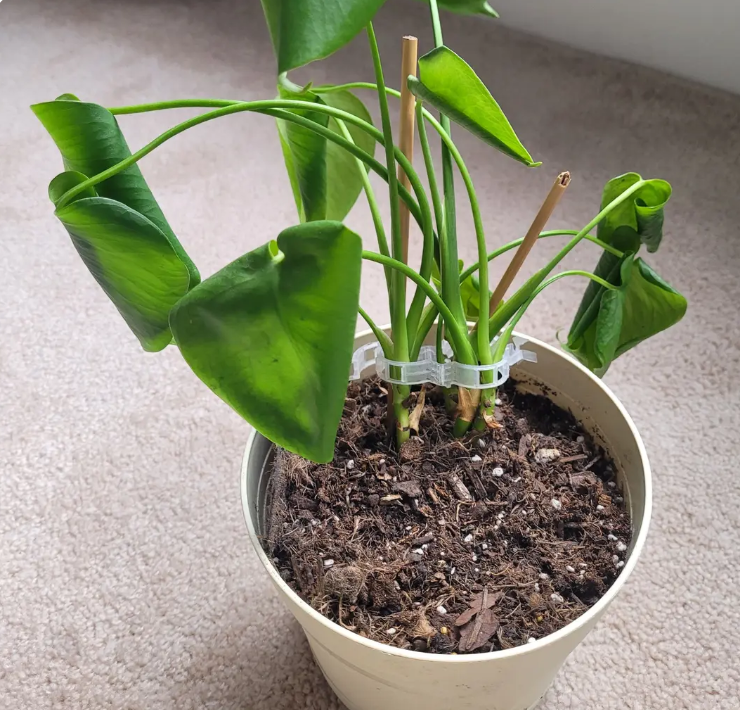
Common Causes Overview
Curling leaves on stems are often linked to four main issues:
- Watering Problems: Overwatering or underwatering can stress the plant, leading to leaf curling as a protective response.
- Environmental Stress: Low humidity, excessive heat, or too much direct sunlight can cause dehydration or sunburn, resulting in curled leaves.
- Pest Infestation: Tiny pests like spider mites or thrips can suck sap from leaves, causing them to curl and distort.
- Nutrient Deficiencies: A lack of essential nutrients, particularly calcium or magnesium, can weaken leaf structure and lead to curling. Understanding these causes enables you to take targeted action.
Section 2: Diagnosing the Exact Cause
Step-by-step process to determine what's causing the curling leaves on your Monstera:
Cause 1: Overwatering Leading to Root Stress
- Signs: Soft, yellowing leaves, soggy soil, foul smell, and roots that appear brown and mushy.
- Diagnosis: Check the soil moisture with your finger; if it's consistently wet and the plant exhibits these symptoms, overwatering is likely the culprit.
Cause 2: Underwatering or Low Humidity Causing Dehydration
- Signs: Crispy, brown leaf edges, leaves curling inward, dry soil.
- Diagnosis: Feel the soil; if it's dry for extended periods and the air is dry, dehydration may be causing leaf curl.
Cause 3: Pest Infestation, Such as Spider Mites
- Signs: Tiny webbing on the undersides of leaves, speckled or stippled appearance, leaves curling inward or developing spots.
- Diagnosis: Inspect the plant closely with a magnifying glass for pests.
How to tell which cause applies to your plant:
- Look at the soil moisture and plant appearance.
- Check for pests with a thorough visual inspection.
- Assess environmental conditions like humidity and light exposure.
- Monitor watering history and fertilization routines. Accurate diagnosis is crucial for effective treatment.
Section 3: Treatment Solutions
Immediate actions: Adjust watering, increase humidity, or treat pests
- Overwatering: Allow the soil to dry out completely before watering again. Ensure your pot has proper drainage.
- Underwatering/Humidity: Water your Monstera thoroughly, and consider increasing ambient humidity with a humidifier or pebble tray.
- Pests: Use insecticidal soap or neem oil to treat infestations. Spray on the undersides of leaves and repeat as necessary.
Long-term care: Proper routines and environmental management
- Watering Routine: Water only when the top inch of soil feels dry. Consistency is key.
- Environmental Factors: Place your Monstera in bright, indirect light and keep humidity levels around 60-80%.
- Pest Prevention: Regularly inspect your plant, especially during seasonal changes, and keep foliage clean.
- Fertilization: Use a balanced, water-soluble fertilizer monthly during the growing season to prevent deficiencies.
What to expect during recovery and signs of improvement
- Leaves will gradually unfurl and regain their natural shape.
- New growth should appear healthy and firm.
- The plant will become more resilient to environmental stressors. Patience is vital—recovery can take a few weeks depending on the severity of the issue.
Section 4: Prevention Tips
Keep your Monstera healthy and prevent curling leaves with these proactive measures:
Consistent watering and humidity control
- Establish a watering schedule based on soil moisture.
- Use a humidity tray or humidifier in dry environments.
Monitoring environmental factors like light and temperature
- Place your Monstera in bright, indirect sunlight.
- Avoid drafts, sudden temperature changes, and direct afternoon sun.
Regular inspection for pests
- Check leaves and stems weekly for pests or webbing.
- Remove any fallen leaves or debris that can harbor pests.
Proper fertilization and soil care
- Use a well-draining, nutrient-rich potting mix.
- Fertilize during the active growing season to prevent deficiencies. By maintaining these best practices, you'll reduce the risk of leaf curling and keep your Monstera healthy and vibrant.
Conclusion
Addressing curling leaves on your Monstera Deliciosa involves understanding the underlying cause, applying targeted treatments, and maintaining consistent care practices. Whether it's adjusting watering, improving humidity, managing pests, or optimizing lighting, small steps can lead to significant improvements.
Remember, patience is essential. With proper care and attention, your Monstera can recover from curling leaves and continue to be a stunning focal point in your indoor space.
Start by diagnosing your plant's specific needs, implement the remedies discussed, and keep a regular check on its progress. Your green companion will thank you with lush, healthy leaves!
FAQ
Q: How long until I see improvement after treatment?
A: Typically, you can expect to see signs of recovery within a few weeks, such as new, healthy leaf growth. However, it depends on the severity of the issue and how quickly you act. Consistent care is key to faster recovery.
Q: Will my Monstera fully recover from curling leaves?
A: Most curling leaves won't revert once they are severely damaged, but new growth should be healthy and upright if the cause is addressed. The plant’s overall health can improve, and future leaves will be less likely to curl.
Q: Should I prune the damaged or curled leaves?
A: Yes, removing heavily damaged or curled leaves can help the plant focus its energy on producing new, healthy growth. Use clean, sharp scissors or pruning shears to make clean cuts close to the stem.
Happy gardening! With attentive care and timely intervention, your Monstera Deliciosa will bounce back, bringing lush greenery and vibrant life into your home.