Struggling with leaf drop in your Spider Plant? You're not alone. Many plant enthusiasts face this common issue, especially when caring for this resilient but sensitive indoor favorite. The good news is that most leaf drop occurs due to manageable factors, and with some simple adjustments, your Spider Plant can recover beautifully.
In this comprehensive guide, we'll explore why your Spider Plant may be shedding leaves, how to accurately diagnose the problem, and practical solutions to restore its health. Whether you're a beginner or an intermediate plant parent, understanding these key points will help you keep your plant thriving.
Understanding the Problem
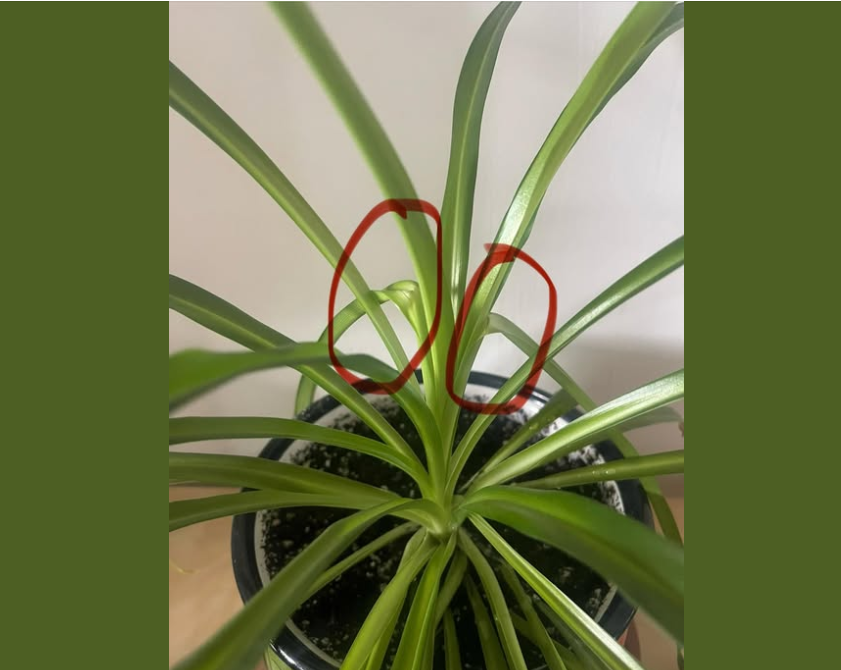
Visual Identification of Leaf Drop
First, let’s understand what leaf drop looks like in a Spider Plant. You might notice:
- Leaves turning yellow or brown at the tips or edges
- Wilting or drooping leaves
- Falling or shed leaves, often from the plant’s arching foliage
- Patches of missing leaves on the plant's "mother" and "baby" plant clusters Recognizing these signs early helps you respond before the problem worsens.
Common Causes Overview
Multiple factors can contribute to leaf drop:
- Overwatering or poor drainage
- Underwatering
- Drafts and environmental stress
- Low humidity
- Nutrient deficiencies
- Sudden environmental changes or shock Understanding which cause applies to your plant is crucial for targeted treatment.
Diagnosing the Exact Cause
Follow step-by-step diagnostic tips to pinpoint the issue:
Cause 1: Overwatering or Poor Drainage
- Symptoms include soggy soil, mold, or a foul smell.
- The roots may be rotted, leading to nutrient uptake issues.
Cause 2: Low Humidity or Environmental Stress
- Spider Plants prefer moderate humidity.
- Symptoms include leaf browning at the tips and curling leaves, often worsened in dry winter indoor air.
Cause 3: Nutrient Deficiency or Sudden Changes
- Ignoring fertilization or recent relocation to a different environment can cause stress.
- Look for general signs of nutritional deficiency, such as pale or yellowing leaves.
How to Tell Which Cause Applies
- Check the soil moisture: Stick your finger into the soil; if it’s consistently wet, overwatering is likely.
- Assess humidity levels: If your home is very dry, especially in winter, low humidity might be the culprit.
- Observe recent changes: Moving the plant, repotting, or fertilizing can cause temporary leaf drop.
Treatment Solutions
Immediate Actions
- Adjust watering: Allow the soil to dry out partially before watering again. Ensure your pot has good drainage.
- Improve airflow: Move your plant away from drafts or vents.
- Check drainage: Repot if the soil remains soggy or roots look rotted.
Long-term Care
- Repotting: Transfer your Spider Plant into fresh, well-draining soil if root rot or compaction is suspected.
- Adjust watering schedule: Water only when the top inch of soil feels dry.
- Fertilization: Feed with a balanced indoor plant fertilizer every 4-6 weeks during the growing season.
Monitoring and Recovery Timeline
- Expect new healthy growth within a few weeks if conditions are corrected.
- Remove damaged or dead leaves to encourage new, vigorous growth.
- Patience is key—consistent care fosters recovery.
Prevention Tips
Care Routine Adjustments
- Maintain a watering schedule based on soil moisture, avoiding both over and underwatering.
- Fertilize regularly to meet nutritional needs.
- Prune dead or yellowing leaves to encourage healthy growth.
Environmental Factors
- Lighting: Place your Spider Plant in bright, indirect sunlight.
- Drafts: Keep away from cold drafts or heating/cooling vents.
- Humidity: Increase humidity by misting or placing a humidifier nearby, especially in dry indoor environments.
Conclusion
Summary
The key to resolving why your spider plant is having leaf drop lies in identifying the root cause—be it watering issues, low humidity, or environmental stress—and applying targeted solutions. Regular monitoring, proper watering, and a comfortable environment will keep your Spider Plant healthy and vibrant.
Remember, with a little attentive care, your plant can recover and flourish again.
Start by diagnosing your plant today, adjust your care routines accordingly, and enjoy watching your green friend thrive!
Next Steps
- Check your Spider Plant’s soil moisture and overall environment.
- Adjust watering, humidity, or lighting as needed.
- Remove any fallen or damaged leaves to promote healthy new growth. Your plant’s revival is just a few care tweaks away!
FAQs
Q: How long until I see improvement after fixing the issues?
A: Typically, you can expect to see new growth within 2 to 4 weeks after making proper adjustments. Keep observing your plant's response and continue consistent care.
Q: Can leaf drop be a sign of a serious problem or death?
A: Not necessarily. Leaf drop is often a natural response to stress rather than a sign of imminent death. As long as the root system is healthy and you address the cause, your Spider Plant can recover.
Q: Should I prune or remove the fallen leaves or damaged parts?
A: Yes, removing dead or damaged leaves helps improve airflow and directs energy towards new growth. Use clean, sharp scissors or pruning shears for best results.
With understanding and care, your Spider Plant can bounce back strong. Happy gardening!