Discover how to identify, treat, and prevent root rot in your Anthurium with easy steps and expert tips for healthy, thriving indoor plants.
Introduction
Noticing your Anthurium's roots are mushy or black? You're not alone—root rot is a common issue faced by many indoor plant enthusiasts, especially those caring for Anthuriums. While it can be alarming, root rot is entirely manageable with the right knowledge and care. This guide explores why root rot occurs, how to diagnose it, and most importantly, how to treat and prevent it so your beloved plant can recover and flourish again. With a bit of patience and proper attention, you can revive your Anthurium and enjoy its vibrant, stunning foliage for years to come.
Section 1: Understanding the Problem
Learn how root rot manifests and why it happens to your beloved Anthurium.
Visual identification of root rot in Anthuriums
Root rot often shows up as mushy, black, or brown roots when you gently remove your plant from its pot. Healthy roots are typically firm, white or light tan, and have a pleasant smell. When roots turn soft, slimy, or foul-smelling, it’s a red flag signaling root rot. Additionally, you might notice yellowing or wilting leaves, reduced growth, or an overall lack of vitality despite proper care. These symptoms often indicate underlying root issues, including rot.
Common causes overview: overwatering, poor drainage, and low light
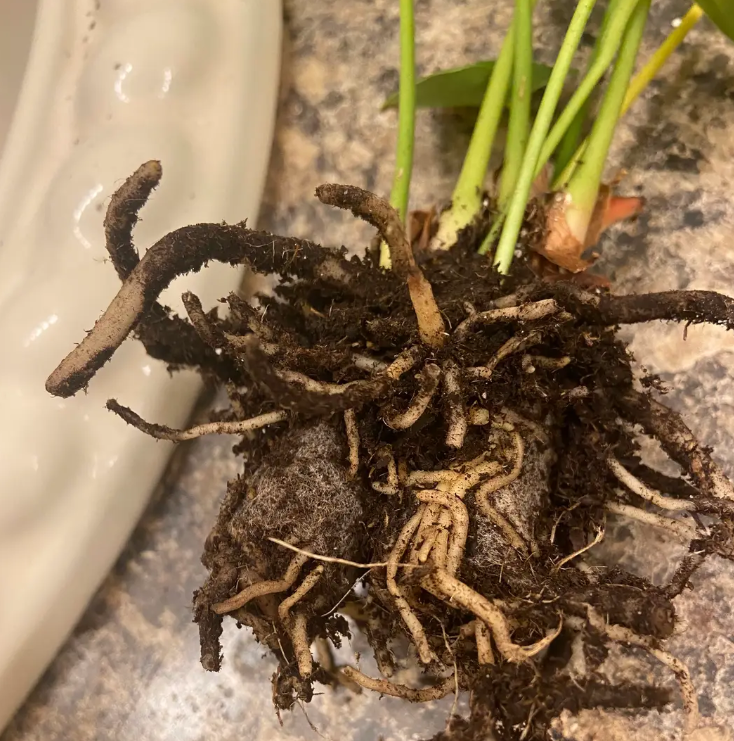
Root rot usually results from excess moisture in the soil, which creates an environment ripe for fungal or bacterial growth. The main culprits include:
- Overwatering: Giving your Anthurium too much water or watering too frequently.
- Poor drainage: Using heavy, compacted soil or pots without drainage holes traps water around roots.
- Low light: Insufficient light can slow evaporation and exacerbate moisture retention, increasing rot risk. Understanding these causes is the first step toward preventing and addressing root rot effectively.
Section 2: Diagnosing the Exact Cause
Follow these diagnostic steps to pinpoint the root rot cause.
Cause 1: Overwatering leading to waterlogged soil
If your plant’s soil feels constantly wet or soggy, overwatering is likely the primary issue. Check your watering schedule—if you water frequently or the soil remains wet for days, your Anthurium may be suffering from excess moisture.
Cause 2: Inadequate drainage or heavy soil mix
Inspect your pot and soil. Heavy clay soils or pots without drainage holes prevent excess water from escaping. If roots are sitting in water or the soil compacts easily, it’s time to upgrade your potting approach.
Cause 3: Low light and poor air circulation
If your Anthurium is placed in a dim corner or enclosed space with limited airflow, moisture lingers around roots, fostering rot. Bright, indirect light and good air movement are essential for healthy root systems.
How to tell which cause applies to your plant
- Check the soil moisture: Is it wet several inches deep? Yes? Overwatering likely.
- Examine the pot and soil: Is it heavy and poorly draining? Yes? Consider repotting.
- Observe plant placement: Is it in low light with stagnant air? Yes? Improve lighting and airflow. Identifying the root cause allows you to tailor your treatment and prevent recurrence.
Section 3: Treatment Solutions
Effective remedies to save your Anthurium and encourage healthy root growth.
Immediate actions: remove affected roots, adjust watering habits
- Carefully remove your Anthurium from its pot.
- Inspect the roots—remove all mushy, black, or foul-smelling roots using sterilized scissors.
- Treat the remaining healthy roots with a fungicide if necessary.
- Allow the plant to dry in a shaded, well-ventilated area for a few hours before repotting.
Long-term treatment plan: repotting with well-draining soil, improving environment
- Choose a well-draining potting mix—a blend of orchid bark, perlite, and peat works well.
- Select a pot with drainage holes to prevent water accumulation.
- Replant your Anthurium, ensuring roots are spread out and covered lightly with soil.
- Adjust your watering schedule—water only when the top inch of soil feels dry.
- Position your plant in bright, indirect light with good airflow.
Monitoring recovery: signs of new root growth and healthy foliage
Over the following weeks, keep an eye out for:
- New root development—tiny white roots emerging from the base.
- Vibrant, firm leaves.
- Steady growth without signs of stress. With consistent care, your Anthurium will recover and become more resilient.
Section 4: Prevention Tips
Prevent future root rot with these simple care adjustments.
Care routine: watering schedule, proper pot selection
- Water only when the topsoil is dry—typically once every 1-2 weeks.
- Use pots with drainage holes to allow excess water to escape.
- Employ a well-draining soil mix tailored for tropical plants like Anthuriums.
Environmental factors: light, humidity, and airflow
- Place your Anthurium in bright, indirect light—avoid direct sun which can scorch leaves but ensure sufficient illumination.
- Maintain moderate humidity (around 60-80%) to mimic its natural habitat, but avoid overly damp conditions.
- Ensure good air circulation around the plant to help moisture evaporate and reduce fungal growth. Regular monitoring and adjustments will keep your Anthurium healthy and help prevent root rot from reoccurring.
Conclusion
Recap of the causes, diagnosis, treatment, and prevention of Anthurium root rot
Root rot in Anthuriums is primarily caused by overwatering, poor drainage, and inadequate environmental conditions. By carefully inspecting your plant’s roots and soil, you can accurately diagnose the problem. Immediate removal of affected roots, repotting in well-draining soil, and adjusting your watering habits are crucial steps toward recovery. Prevention is always better—by maintaining proper watering routines, ensuring good drainage, and providing optimal light and airflow, you can keep your Anthurium healthy and vibrant.
Remember, with patience and proper care, your Anthurium can bounce back.
Start by gently inspecting your plant’s roots today. Follow our treatment and prevention tips, and soon your beloved indoor plant will thrive again.
FAQ
Q: How long until I see improvement after treatment?
A: Typically, you can expect to see signs of recovery within 2-4 weeks. Look for new root growth, healthier foliage, and improved plant vigor. Consistent care and patience are key.
Q: Can my Anthurium fully recover from root rot?
A: Yes, if the root rot is caught early and the plant is provided with proper treatment, your Anthurium can fully recover. However, severe or prolonged rot may cause some root loss, but the plant can often bounce back with attentive care.
Q: Should I prune all affected roots and leaves?
A: Yes. Remove all mushy, black, or foul-smelling roots and any diseased or yellowing leaves. This helps prevent the spread of fungi and promotes healthy new growth.
With these insights and practical steps, you're well on your way to saving your Anthurium and enjoying a lush, thriving indoor garden. Happy planting!