Discover why your jade plant's leaves are soft and learn effective solutions to restore its health with practical care tips and prevention strategies.
Noticing your jade plant's leaves turning soft can be worrying, but you're not alone.
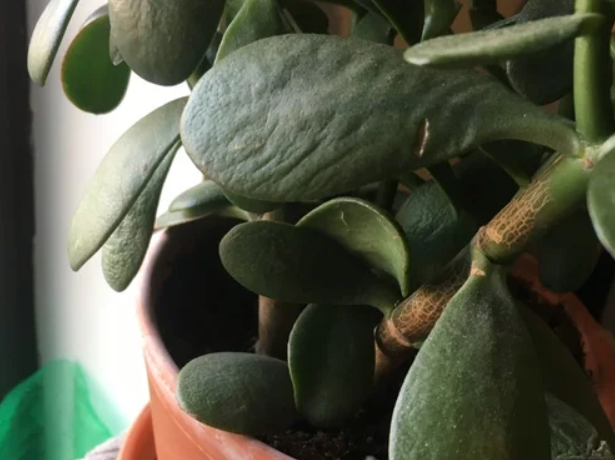
Many indoor plant enthusiasts encounter this issue at some point. Soft, limp leaves are often a sign that something isn't quite right with your jade plant’s health. The good news is that with proper diagnosis and care, you can help your plant bounce back to its vibrant, firm self.
This article will explore common causes, diagnostic steps, effective treatments, and prevention tips to help your jade thrive again. Remember, with patience and attentive care, your jade plant can recover and regain its healthy, firm leaves.
Section 1: Understanding the Problem
Visual identification: what soft leaves look and feel like
Soft leaves on a jade plant typically feel limp, spongy, and may appear swollen or translucent. Unlike their usual firm, leathery texture, soft leaves seem to lack rigidity and may easily bend or sag. Sometimes, you might notice discoloration, such as yellowing or browning, especially around the edges.
Common causes overview: overwatering, root rot, pests, or environmental stress
Several factors can lead to soft leaves in jade plants, including:
- Overwatering: The most common culprit, causing waterlogged soil and root rot
- Poor drainage or unsuitable soil: Traps excess moisture around roots
- Pests or fungal infections: Damage tissues and weaken leaf structure
- Environmental stress: Sudden temperature changes, drafts, or low light conditions
Understanding these causes helps you narrow down the problem and choose the right solution.
Section 2: Diagnosing the Exact Cause
Follow diagnostic steps to pinpoint the root cause of soft leaves
Cause 1: Overwatering leading to root rot
- Gently remove the plant from its pot and inspect the roots.
- Healthy roots are firm, white, and smell fresh.
- Rotten roots appear brown, mushy, and may emit a foul odor.
Cause 2: Poor drainage or soil issues
- Check the soil’s drainage capacity.
- If water remains on the surface or drains slowly, the soil is likely too dense or compacted.
Cause 3: Pests or fungal infections
- Look for small pests like mealybugs, spider mites, or scale on leaves and stems.
- Fungal spots or mold may indicate infection.
How to tell which cause applies to your plant
- If roots are rotten, overwatering is likely the cause.
- If soil is heavy and retains moisture, improving drainage is necessary.
- Visible pests or fungal symptoms point to infestations needing targeted treatment.
Section 3: Treatment Solutions
Immediate actions: reduce watering, inspect roots, remove pests
- Stop watering immediately. Let the soil dry out completely before watering again.
- Inspect the roots: Gently remove the plant from its pot and trim away rotten roots with sterilized scissors.
- Remove pests: Wipe affected areas with a soft cloth dipped in insecticidal soap or neem oil.
Long-term treatment: repot with well-draining soil, use organic or chemical remedies if necessary
- Repot your jade plant into a container with drainage holes using a well-draining cactus or succulent mix.
- Consider applying a fungicide if fungal infection is suspected, following product instructions.
- For pests, use insecticidal soap or neem oil regularly until the infestation subsides.
What to expect during recovery: signs of improvement and when to seek professional help
- You should see new, firm growth within a few weeks if the cause was addressed properly.
- Soft leaves may eventually fall off as new, healthy leaves emerge.
- If conditions don't improve after several weeks, consult a local plant expert or horticulturist.
Section 4: Prevention Tips
Adopt best practices to prevent soft leaves from recurring
Adjust watering routines: allow soil to dry between watering
- Water only when the top inch of soil feels dry.
- During winter, reduce watering frequency as the plant’s growth slows.
Ensure proper drainage: use pots with drainage holes and suitable soil
- Always choose pots with drainage to prevent water accumulation.
- Use a soil mix specifically designed for succulents and cacti, which drains quickly and prevents water retention.
Monitor environmental conditions: avoid drastic temperature changes and drafts
- Keep your jade plant in a stable environment with temperatures between 65–75°F (18–24°C).
- Avoid placing it near cold drafts, heating vents, or direct cold windows in winter.
Regular inspection: catch problems early before they worsen
- Check your plant weekly for signs of pests, diseases, or soft leaves.
- Address minor issues promptly to prevent major damage.
Conclusion
Recap of identifying causes, applying remedies, and preventive measures to keep your jade plant healthy
Soft leaves in a jade plant usually stem from overwatering, poor drainage, pests, or environmental stress. Proper diagnosis is crucial—inspect the roots, soil, and plant for clues. Once you identify the cause, implement targeted treatments like adjusting watering habits, repotting with suitable soil, or controlling pests.
Remember, with patience and proper care, your jade plant can recover from soft leaves.
Start diagnosing your plant today and apply the suggested care tips to restore its vitality. Your jade’s lush, firm leaves are within reach again!
FAQ
Q: How long until I see improvement after adjusting watering?
A: Typically, you may notice signs of recovery within 2–4 weeks. New growth should appear, and existing leaves may firm up as the plant regains health. Be patient and consistent with your care routine.
Q: Can my jade plant fully recover from root rot?
A: Yes, if you catch root rot early and remove all affected roots, your jade plant has a good chance to recover. Proper repotting in well-draining soil and adjusting watering habits are essential for full recovery.
Q: Should I prune the soft or damaged leaves?
A: Absolutely. Removing soft, damaged, or dead leaves encourages healthy growth and prevents potential disease spread. Use sterilized scissors and prune carefully to maintain the plant’s shape.
By following these tips and understanding the causes behind soft leaves, you're well on your way to revitalizing your jade plant. Happy gardening!