Learn effective diagnosis and care tips to revive your drooping philodendron leaves. Simple fixes to restore health and prevent future problems.
Indoor plants like philodendrons bring vibrant life and greenery into our homes, but even the most devoted plant parents can sometimes face issues. Noticing your philodendron's leaves drooping can be alarming—"Is my plant okay? What’s wrong?" —but take a deep breath. In most cases, this problem is easily fixable with some observation and minor adjustments. In this guide, we’ll help you identify why your philodendron's leaves are drooping, how to diagnose the exact cause, and most importantly, how to treat and prevent future issues. With patience and attentive care, your plant can bounce back healthy and vibrant.
Section 1: Understanding the Problem
Visual identification: How drooping leaves look versus healthy foliage
Healthy philodendron leaves are typically firm, upright, and lush. When they start to droop, they hang limply, sometimes curling at the edges, or appear wilted and sagging. This visible stress signal tells us the plant needs attention. Sometimes, the leaves might also turn yellow or brown if the problem persists.
Common causes overview: Overwatering, underwatering, improper humidity, and root problems
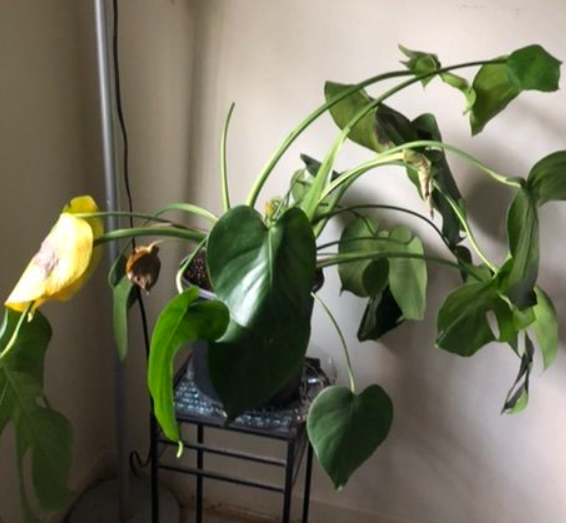
Drooping leaves often stem from stress caused by:
- Overwatering: Excess water causes roots to suffocate and rot.
- Underwatering: Lack of water results in dehydration.
- Environmental factors: Low humidity, drafts, or sudden temperature changes.
- Root problems: Root rot, pests, or compacted soil reduce nutrient and water absorption. Understanding which of these causes is affecting your plant is the first step toward fixing the issue.
Section 2: Diagnosing the Exact Cause
Step-by-step process to determine what's causing your plant's droopiness
Diagnosis requires observing your plant and its environment closely. Here's how to identify the root cause:
Cause 1: Overwatering — check soil moisture, soggy potting mix, or root rot signs
- Test the soil: Insert your finger about 1-2 inches into the soil. If it feels very wet or soggy and stays moist, overwatering is likely.
- Check for root rot signs: Gently remove the plant from its pot and examine the roots. Healthy roots are white and firm. Rotted roots are brown, black, slimy, or foul-smelling.
Cause 2: Underwatering — feel the soil dryness, wilting despite moist foliage
- Test the soil: If the top 2-3 inches feel dry and crumbly, and the leaves are wilting despite the soil not being overly wet, underwatering is probable.
- Observe leaf appearance: Dry, crispy, or shriveled leaves indicate dehydration.
Cause 3: Low humidity or drafts — assess environment, look for dry air indicators
- Check humidity levels: Ideal humidity for philodendrons is around 60-80%. Use a hygrometer if available.
- Look for drafts: Near windows or vents where dry or cold air flows can cause leaves to dry out and droop.
How to tell which cause applies
Compare your plant’s condition with these signs:
- Soggy, smelly soil + brown roots = overwatering
- Very dry soil + dry, crispy leaves = underwatering
- Normal soil moisture + environment with dry air or drafts = low humidity issues
Section 3: Treatment Solutions
Immediate actions to take: adjust watering, improve humidity, reposition the plant
- Overwatering: Remove excess water, let the soil dry out before watering again, and ensure proper drainage.
- Underwatering: Water thoroughly until excess drains, then establish a regular watering schedule.
- Low humidity: Increase humidity by misting, using a humidity tray, or placing a humidifier nearby.
- Drafts: Move your plant away from cold drafts or heating vents.
Long-term treatment plan: repot if root rot is present, create a stable environment, provide proper watering routines
- Repotting: If roots are rotted, trim away affected roots using sterilized scissors, and repot your philodendron in well-draining soil.
- Consistent environment: Keep the plant in a stable location with consistent temperature and humidity.
- Watering routine: Water only when the top inch of soil feels dry. Use your finger or a moisture meter for accuracy.
What to expect during recovery
- You’ll notice leaves becoming firmer and lifting upright.
- New healthy growth indicates your plant is regaining strength.
- Avoid fertilizing until your plant fully recovers.
Section 4: Prevention Tips
Care routine adjustments: establish watering schedule, maintain consistent humidity levels
- Regular watering: Stick to a routine, adjusting based on season and indoor conditions.
- Monitor humidity levels: Use a humidifier or pebble trays, especially in dry climates or winter months.
- Check soil quality: Use well-draining, aerated soil mix designed for aroids and tropical plants.
Environmental factors to monitor
- Lighting: Provide bright, indirect sunlight. Avoid direct sun, which can dry out leaves.
- Drafts: Keep your plant away from vents, open windows during cold weather, or drafty doors.
- Pest management: Regularly inspect for pests like spider mites or mealybugs, as infestations can cause stress and drooping.
Conclusion
Drooping leaves are a common yet fixable problem for philodendron lovers. The key is to carefully observe your plant’s environment and symptoms, diagnose the cause accurately, and apply targeted treatment. Remember, your philodendron is resilient and can recover with proper care. With patience, attentiveness, and a few simple adjustments, you’ll help your plant regain its vibrant, healthy appearance. Keep a close eye on your philodendron, and don’t hesitate to tweak your care routine as needed. Your green companion will thank you with lush, lively leaves again!
FAQs
Q: How long until I see improvement after fixing watering issues?
A: Typically, you may start noticing signs of recovery within a week or two—leaves gradually firm up, and new growth may appear. Consistent care is essential for sustained recovery.
Q: Can my philodendron fully recover from drooping leaves?
A: Yes, if the cause is addressed promptly and appropriately. Many drooping philodendrons bounce back fully when given proper watering, environment, and care.
Q: Should I prune the damaged leaves or wait for recovery?
A: It’s best to prune severely damaged, yellow, or brown leaves to encourage new growth and improve the plant’s overall health. Use clean scissors and avoid removing more than a third of the plant at once.
Empower yourself with attentive care, and soon your philodendron will be thriving once more!