Quick Summary: White fuzz on your Monstera deliciosa can seem worrying, but it’s often manageable once you identify the cause. Whether it’s fungal powdery mildew, pests like mealybugs, or dust buildup, this guide will help you diagnose and treat the problem effectively, bringing your plant back to vibrant health.
Introduction
Noticing a white fuzzy coating on your beloved Monstera deliciosa can be unsettling—especially when you’re trying to keep your indoor jungle thriving. It’s easy to worry that your plant is sick or beyond help, but rest assured, many issues causing white fuzz are treatable with prompt care. The good news is that with a little patience and the right approach, you can often restore your Monstera’s lush, healthy appearance.
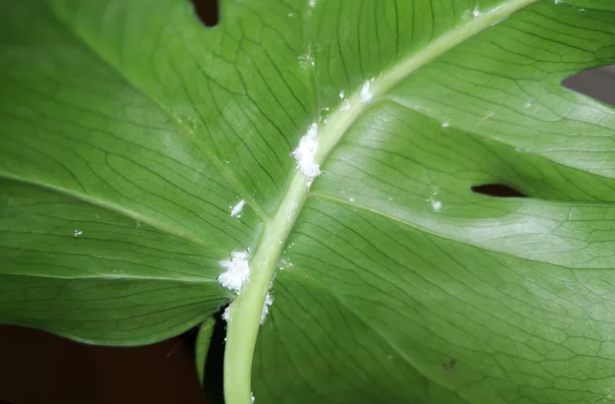
In this article, we’ll explore what causes the white fuzz on your plant, how to accurately diagnose the issue, and practical, easy solutions to fix it. Whether it’s pest-related, fungal, or just dust, I’ll guide you through step-by-step actions that will help your plant bounce back. Remember, your dedication as a plant parent is key, and most problems are easily resolved with the right care routines. Let’s get your Monstera deliciosa looking its best again!
Section 1: Understanding the Problem
White fuzz on Monstera deliciosa commonly appears as a powdery or fuzzy layer on the leaves, stems, or aerial roots. It can seem alarming, but identifying what it actually is crucial before choosing the right treatment.
Visual identification – what the white fuzz looks like
- Powdery, dusty coating: Looks like flour dust or talcum powder spread across leaves and stems.
- Fuzzy or cottony patches: Thick, soft growths that may be more textured and plush.
- Color and texture: Usually white or off-white, sometimes with a grayish tint, and varies from powdery to moldy.
Common causes overview
- Fungal spores: Powdery mildew is a common fungal infection that causes white powdery patches.
- Pest infestations: Mealybugs and some species of spider mites produce white, cottony, or fuzzy-looking residue.
- Natural dust or residue: In dry environments, dust accumulated on leaves can look like fuzz.
- Other mold or mold-like growths: Sometimes mold or mold-like bacterial growths form on plant surfaces. Understanding these visual clues helps determine whether you’re dealing with an infection, pests, or simple dust.
Section 2: Diagnosing the Exact Cause
Getting an accurate diagnosis involves observing the pattern, location, and texture of the white fuzz, along with some simple tests.
Cause 1: Fungal Infections, such as Powdery Mildew
- Symptoms: White powdery patches mainly on the upper surfaces of leaves, spreading if untreated.
- How to confirm: Gently brush or scrape the fuzzy area—fungal spores often flake off easily. Look for other signs like leaf distortion or yellowing.
- Why it happens: Excess humidity, poor airflow, or overwatering create ideal conditions for fungi.
Cause 2: Pest Infestation, particularly Mealybugs or Spider Mites
- Symptoms: White, cottony clusters around leaf joints or on stems; tiny moving pests might be visible.
- How to confirm: Use a magnifying glass to look for small insects, or gently wipe a patch with a damp cloth—if pests are present, they’ll often stick around or move away.
- Why it happens: Pest problems are common in dry environments, or when new plants are introduced to your collection.
Cause 3: Dust or Environmental Residue Buildup
- Symptoms: Light, non-embedded dust that easily brushes off; usually uniform on all leaves.
- How to confirm: Wipe with a damp cloth—if it comes off easily and leaves behind no signs of pests or mold, it’s likely dust.
- Why it happens: Dust accumulates in dry, dusty environments, especially if you rarely clean your plants.
How to tell which cause it is
Use this quick checklist:
| Symptom | Likely Cause | Action |
| --- | --- | --- |
| Powdery, easily brushed off | Dust | Clean with damp cloth |
| Fuzzy, plush patches, pests visible | Pests (mealybugs/spider mites) | Inspect and treat pests |
| Powdery patches spreading, fungal spores flake off | Fungal infection | Apply fungicide |
Proper diagnosis ensures you treat your Monstera effectively and safely.
Section 3: Treatment Solutions
Once you’ve identified the cause, follow these tailored treatment steps. Acting quickly can save your plant from further stress.
Immediate actions (first 24-48 hours)
- Gently wipe leaves and stems with a damp microfiber cloth to remove dust, mold, or loose spores.
- Inspect all parts of the plant carefully for pests or signs of infection.
- Isolate your Monstera from other plants to prevent spread.
Treatment for fungal infections (powdery mildew)
- Prepare a hydrogen peroxide solution: Mix 1 part hydrogen peroxide (3%) with 3 parts water.
- Spray or wipe affected areas: Use a spray bottle or soft cloth to apply this solution to the white patches.
- Improve airflow: Ensure your plant has good airflow—consider moving it to a less humid spot.
- Reduce humidity levels: Avoid misting or overwatering during treatment.
- Repeat every 7-10 days: Continue until the fungal symptoms disappear, usually within 2-3 weeks.
Treatment for pest infestations
- Remove visible pests manually with a cotton swab dipped in alcohol or a soft brush.
- Apply neem oil or insecticidal soap: Follow label instructions for safe and effective pest control.
- Use natural remedies: A mixture of mild dish soap and water can also dislodge pests.
- Repeat treatments weekly: Pests often require multiple treatments to fully eradicate.
Chemical options (use responsibly)
- Fungicides: Choose a fungicide labeled for powdery mildew, and follow instructions carefully.
- Pesticides: Select a pesticide safe for houseplants, and always apply in well-ventilated areas.
Long-term care and recovery
- Maintain a consistent watering schedule—allow soil to dry slightly between waterings.
- Increase air circulation with fans or open windows.
- Keep humidity levels moderate; around 40-60% is ideal.
- Continue monitoring your plant weekly for early signs of trouble. What to expect during recovery: The white fuzz should diminish within a few treatment cycles. Watch for new healthy leaf growth and return of vibrancy.
Section 4: Prevention Tips
Prevention is the best way to keep your Monstera deliciosa free of white fuzz and healthy for years to come.
- Regular Monitoring: Check your plant weekly for early signs of issues.
- Maintain Proper Humidity & Airflow: Use fans or open windows to prevent excessive moisture.
- Avoid Overwatering: Let the top inch of soil dry out before watering again.
- Clean Leaves: Wipe leaves every few weeks with a damp cloth to remove dust.
- Quarantine new plants: Keep new arrivals separate for at least 2 weeks and inspect for pests or fungi.
- Proper Lighting: Bright, indirect light supports healthy, resilient plants less prone to fungal issues. Implementing these habits helps your Monstera stay healthy and minimizes the risk of future fuzz problems.
Frequently Asked Questions
Q: How long until I see improvement after treatment?
A: Most fungal or pest treatments start showing results within 1-2 weeks. Complete recovery with new healthy growth can take 4-6 weeks, depending on severity.
Q: Will my Monstera fully recover from white fuzz?
A: In most cases, yes. Prompt treatment and proper care support full recovery. Older leaves affected by fungal or pests might not recover fully and can be pruned.
Q: Should I prune leaves with white fuzz or pests?
A: Yes, if leaves are heavily infested or infected, pruning can help contain the issue. Use clean, sharp scissors and dispose of pruned material safely.
Conclusion
Key Takeaways:
- White fuzz on Monstera deliciosa is often caused by fungi, pests, or dust—accurate diagnosis is key.
- Immediate cleaning, targeted treatments, and environmental adjustments can effectively eliminate the problem.
- Regular monitoring, cleaning, and proper care will prevent future issues, keeping your plant healthy and vibrant.
- Be patient—most issues resolve with consistent care, and your Monstera can thrive once again. Remember, your dedication and quick action make a difference. With these simple steps, you’re well on your way to restoring your Monstera’s lush beauty!