Struggling with curling bottom leaves on your ZZ plant? You're not alone. Many indoor plant enthusiasts notice this issue at some point and wonder what it means for their plant's health. Fortunately, curling leaves are often a sign that your ZZ plant needs some attention, but they can typically be remedied with proper care. In this article, we'll explore the common causes behind curling bottom leaves, how to diagnose the problem accurately, and practical solutions to help your ZZ plant bounce back to full health.
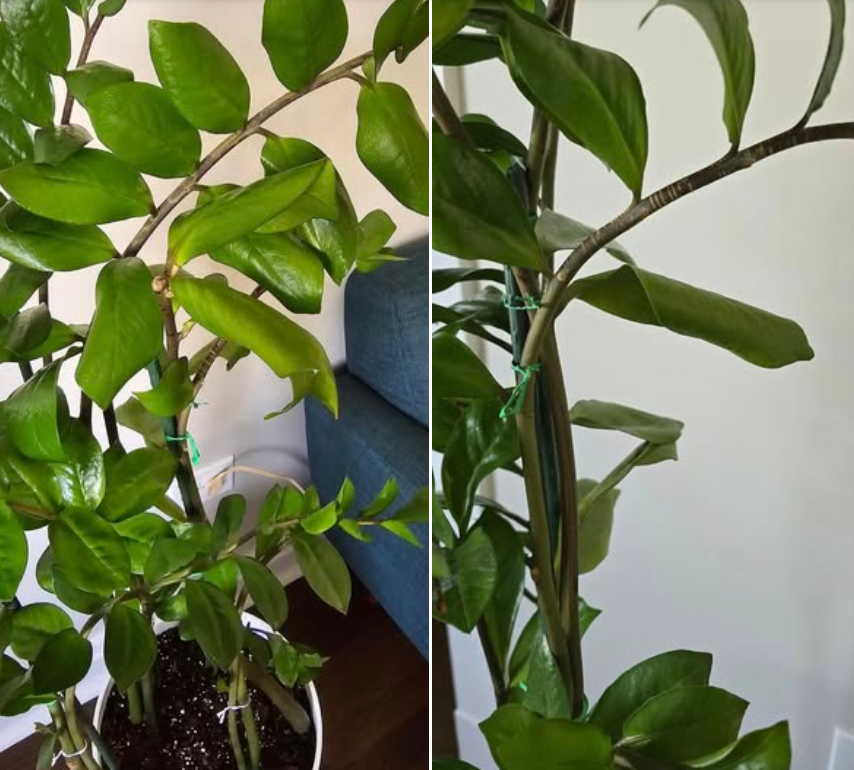
With patience and attentive care, your ZZ plant can recover and thrive again. So, let’s dive into understanding what’s going on with your plant and how to fix it!
Section 1: Understanding the Problem
Visual Identification: What Do Curling Leaves Look Like?
Curling bottom leaves on a ZZ plant can manifest in several ways. Typically, you’ll notice that the lower leaves:
- Are tightly curled or rolled inward, resembling a tube or scroll.
- Show signs of wrinkling or shriveling, indicating dehydration.
- Have yellowing or browning edges if stress persists.
- Appear limp or droopy even if the soil is moist. Recognizing these signs early helps you determine whether the issue is minor or part of a larger problem.
Common Causes Overview: Overwatering, Underwatering, Low Humidity, Pests, and Environmental Stress
Several factors can cause the curling of bottom leaves:
- Overwatering, leading to root rot and poor nutrient uptake.
- Underwatering, causing dehydration and leaf wrinkling.
- Low humidity, stressing the plant and causing leaves to curl inward.
- Pests, such as spider mites or mealybugs, damaging leaf tissues.
- Environmental stress, including sudden temperature changes or drafts. Understanding these potential causes sets the stage for accurate diagnosis and effective solutions.
Section 2: Diagnosing the Exact Cause
Follow a Step-by-Step Process to Determine Why Your ZZ Plant's Leaves Are Curling
Diagnosis involves observing your plant carefully and checking specific conditions.
Cause 1: Overwatering Leading to Root Issues and Leaf Curl
- Signs: Mushy, foul-smelling roots; soil remains constantly wet; bottom leaves curling downward or inward.
- How to check: Gently remove the plant from its pot and inspect the roots. Healthy roots are firm and white; rotting roots are brown and slimy.
Cause 2: Underwatering Causing Dehydration and Leaf Wrinkling
- Signs: Soil feels dry for a prolonged period; bottom leaves appear shriveled or wrinkled.
- How to check: Touch the soil. If it's bone-dry, the plant may need more water.
Cause 3: Low Humidity Stressing the Plant
- Signs: Curling leaves, especially in dry indoor environments; edges may turn brown if severe.
- How to check: Use a hygrometer to measure humidity. ZZ plants prefer 40-60% humidity.
How to Tell Which Cause It Is: Diagnostic Tips and Observation Cues
- Moisture level: Use your finger or a moisture meter to assess soil moisture.
- Root health: Inspect roots for rot if overwatering is suspected.
- Humidity: Measure indoor humidity and compare it with your plant’s needs.
- Pest check: Look for tiny insects or webbing on leaves and stems. By combining these observations, you'll be able to pinpoint the root cause of the curling leaves more accurately.
Section 3: Treatment Solutions
Implement Specific Actions Tailored to the Identified Cause to Restore Your ZZ Plant's Health
Immediate Actions
- Adjust watering schedule: If overwatered, allow the soil to dry out thoroughly before watering again. If underwatered, water deeply until excess drains.
- Increase humidity: Use a humidifier, place a tray of water near the plant, or group plants together.
- Inspect roots for rot: Remove affected roots with sterilized scissors and repot in well-draining soil.
Long-term Treatment Plan
- Proper watering techniques: Water only when the top inch of soil feels dry.
- Environmental adjustments: Place your ZZ plant in bright, indirect light and avoid drafts or sudden temperature drops.
- Pest management: If pests are present, treat with neem oil or insecticidal soap, and regularly inspect the plant.
Recovery Expectations: How Your Plant Will Improve Over Time
With consistent care, you should notice the curled leaves gradually unfurling, new healthy growth appearing, and overall vitality increasing within a few weeks. Patience is key—plants often take time to recover fully after stress.
Section 4: Prevention Tips
Care Routine Adjustments: Regular Watering, Fertilizing, Pruning
- Water consistently but avoid overwatering; check soil moisture regularly.
- Fertilize once a month during the growing season with a balanced, diluted houseplant fertilizer.
- Prune any severely curled or damaged leaves to encourage new growth.
Environmental Factors: Optimal Light, Humidity Levels, Pot Drainage, and Placement
- Provide bright, indirect light for optimal growth.
- Maintain humidity around 40-60%, especially in dry indoor environments.
- Ensure proper drainage with a pot that has drainage holes to prevent water accumulation.
- Avoid drafts or temperature extremes that can stress the plant.
Conclusion
Recap of the Causes, Diagnostic Steps, and Solutions for Curling Bottom Leaves on ZZ Plants
Curling bottom leaves on your ZZ plant can be caused by overwatering, underwatering, low humidity, pests, or environmental stress. To diagnose the problem, observe soil moisture, inspect roots, check humidity levels, and look for pests. Once the cause is identified, implementing targeted solutions—such as adjusting watering routines, increasing humidity, or treating pests—can restore your plant’s health.
Encouragement
Remember, with attentive care and patience, your ZZ plant can recover from curling leaves and continue to add beauty to your home. Don’t get discouraged—each step you take improves your plant’s resilience.
Next Steps
Apply the troubleshooting tips outlined here, monitor your ZZ plant regularly, and adjust your care routine as needed. Your plant’s health depends on your attentive and loving care!
FAQ
Q: How long does it take for my ZZ plant to recover after fixing watering issues?
A: Recovery time varies depending on the severity of the stress. Generally, you can expect to see improvements within 2-4 weeks, with new healthy leaves emerging as the plant regains strength. Consistency in care is key to speeding up recovery.
Q: Can curling leaves be a sign of pests, and how do I check for them?
A: Yes, pests like spider mites or mealybugs can cause curling leaves. Check the undersides of leaves, stems, and nodes for tiny insects, webbing, or sticky residue. Use a magnifying glass if needed. Treat infestations promptly with neem oil or insecticidal soap.
Q: Should I prune the curled leaves, or leave them to see if they recover?
A: If the leaves are severely curled, damaged, or brown, pruning them can help redirect the plant’s energy toward new growth. Use clean, sharp scissors to remove affected leaves. Healthy, slightly curled leaves may recover with proper care, so assess each case individually.
Taking care of your ZZ plant and understanding its needs will ensure it remains a vibrant and resilient addition to your indoor space. Happy gardening!