Quick Summary: Black spots on your Pothos leaves can be alarming, but understanding their causes enables effective treatment. From fungal infections to overwatering, this guide helps diagnose and fix the issue so your plant can thrive again.
Introduction
Watching your Pothos develop black spots can be distressing—these lush, vibrant plants are often close to our hearts, and their health is emotionally meaningful. It’s natural to worry when something seems off, but don’t panic. Many common problems causing black spots are manageable with a little bit of knowledge and care. Whether the spots are small or large, localized or spreading, this guide will walk you through understanding what’s happening, how to accurately diagnose the issue, and the best treatment and prevention strategies. Rest assured, with patience and proper care, your Pothos can recover its beautiful, glossy foliage and become healthy once more. We’ll cover everything from identifying fungal infections to fixing watering issues, ensuring you feel confident in caring for your beloved houseplant.
Section 1: Understanding the Problem
Black spots on Pothos leaves can appear suddenly and may seem concerning, but they’re often a sign of specific underlying health issues. Recognizing what they look like and knowing some common causes will give you a clearer path toward solving the problem.
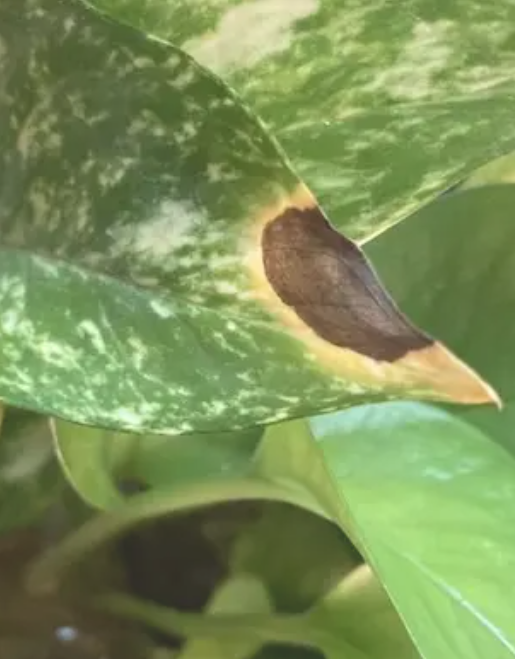
Visual identification of black spots—size, shape, and location
- Appearance: Black spots may look like tiny, dark specks, or larger, irregular patches.
- Shape: They can be circular, oblong, or unevenly shaped.
- Location: Spots often start on older leaves at the bottom but can appear anywhere on the plant.
- Surface: Some spots may be raised or fuzzy if fungal, while others are flat or sunken.
Common causes overview—fungal infection, overwatering, physical injury, or pest activity
- Fungal infections: Leaf spot fungi and powdery mildew can create black or dark patches.
- Overwatering: Excess moisture causes root rot, leading to blackening in leaves and stems.
- Physical damage: Bumps, knocks, or handling can create bruised areas that turn black.
- Pest activity: Scale insects or mites can cause damage that appears as black or darkened spots. Recognizing these symptoms early makes treatment more effective, helping your Pothos bounce back quickly.
Section 2: Diagnosing the Exact Cause
Accurate diagnosis involves observing other symptoms and considering your plant’s environment. Follow these steps to pinpoint why your Pothos has developed black spots.
Cause 1: Fungal infections—powdery mildew or leaf spot fungi
- Symptoms: Small black, brown, or gray spots often with a fuzzy or powdery surface.
- How to confirm: Check if spots are raised, fuzzy, or have a water-soaked appearance. Look for mold around affected areas.
- Why it happens: Persistent humidity and poor air circulation foster fungal growth.
Cause 2: Overwatering and root rot conditions
- Symptoms: Black, mushy stems or roots, yellowing leaves, and spots that seem to spread.
- How to confirm: Gently remove the plant from its pot and examine roots—brown or black, slimy, and foul-smelling roots indicate rot.
- Why it happens: Excess water drowns roots, encouraging fungal pathogens.
Cause 3: Physical damage or pest-related issues (e.g., scale, mites)
- Symptoms: Bruised leaf tissue turning black, tiny insects, or webbing.
- How to confirm: Inspect leaves and stems closely with a magnifying glass for pests like scale insects or mites.
- Why it happens: Handling or pest infestations cause tissues to die, resulting in blackened areas.
How to tell which cause applies to your plant
Observe these signs:
- Fuzzy, moldy spots? Likely fungal.
- Mushy, black roots? Overwatering/rot.
- Tiny pests or webbing? Pests are involved.
- Bruising or physical injury? Damage from handling or knocks. Matching symptoms helps you choose the right treatment.
Section 3: Treatment Solutions
Once you’ve identified the cause, follow these targeted steps to help your Pothos recover.
Immediate actions—remove affected leaves, isolate the plant
- Prune affected leaves: Use clean scissors or pruning shears to snip away blackened or damaged foliage.
- Isolate your Pothos: Prevent spreading of fungal spores or pests to other plants by placing it separately.
- Clean up debris: Remove fallen leaves or soil with fungal growth to reduce infection chances.
Treating fungal infections
- Natural remedies: Mix neem oil or turmeric spray following instructions and spray affected areas weekly.
- Chemical options: Use a fungicide labeled safe for houseplants if natural methods are ineffective.
- Application tips: Always test treatments on a small area and follow label directions carefully.
Addressing overwatering and root rot
- Adjust watering schedule: Allow the top inch of soil to dry out before watering again.
- Improve drainage: Ensure the pot has drainage holes and add gritty, well-draining soil.
- Repot if necessary: Gently remove the plant, trim rotten roots with sterile scissors, and repot in fresh soil.
Managing physical damage or pests
- Prune damaged areas: Cut away bruised leaves or stems.
- Treat pests: Apply insecticidal soap or neem oil to manage scale insects or mites.
- Manual removal: For pests, physically wipe pests from leaves with a soft cloth dipped in soapy water.
Long-term care
- Provide bright, indirect light—Pothos thrives in moderate to bright light.
- Water when the top inch of soil feels dry.
- Ensure good airflow and avoid moisture buildup.
- Use a well-draining potting mix.
Recovery expectations
With consistent care, you should see new healthy growth within a few weeks. Yellowing or black spots may gradually fade as you eliminate the problem, but persistent issues might require ongoing treatment.
Section 4: Prevention Tips
Prevention is always easier than cure. Implement these practices to keep your Pothos healthy and free of black spots.
Keep leaves dry
- Water at the soil level, avoiding splashing on leaves.
- Use a wick or watering can with a narrow spout for precision.
Ensure proper airflow and avoid high humidity
- Space plants adequately.
- Use fans or open windows for better circulation.
Use well-draining soil and proper potting techniques
- Choose pots with drainage holes.
- Mix soil with perlite or coarse sand for better drainage.
Regular inspection
- Check your Pothos weekly for early signs of issues.
- Remove any fallen or damaged leaves promptly.
Quarantine new plants
- Keep new plants separate for at least two weeks.
- Monitor closely before introducing them with your existing collection.
Frequently Asked Questions
Q: How long until I see improvement after treatment?
A: Generally, you can expect to see signs of recovery within 2-4 weeks with consistent care. New, healthy leaves should emerge, and black spots will gradually fade.
Q: Can black spots completely disappear from my Pothos leaves?
A: If spots are caused by minor fungal infections or physical damage, with proper treatment, the spots may fade significantly or become less noticeable. However, heavily damaged or scarred tissue might not fully heal and may require leaf pruning.
Q: Should I prune the affected leaves or cut back the plant?
A: Yes, prune affected leaves to prevent spread and encourage healthy growth. If infection is widespread or stems are rotten, consider cutting back the plant to healthier parts.
Q: How can I prevent future black spots?
A: Maintain proper watering habits, ensure good airflow, use well-draining soil, keep leaves dry, and regularly inspect your plant to catch issues early.
Q: Is there a risk of black spots spreading to other plants?
A: Yes, especially if caused by fungal infections or pests. Proper quarantine, sanitation, and treatment help prevent spread.
Conclusion
Black spots on your Pothos can seem alarming at first, but with careful diagnosis and targeted care, they're manageable. Remember to:
- Identify whether the problem is fungal, overwatering, or pest-related.
- Prune affected areas and treat with natural or chemical remedies.
- Adjust your watering and care routines for long-term health.
- Regularly inspect and provide optimal environmental conditions to prevent recurrence. Your Pothos is resilient and capable of bouncing back with a little love and attention. Keep observing your plant, stay patient, and enjoy the rewarding process of caring for your green companion. Before long, your Pothos will once again be showcasing its beautiful, glossy foliage—spot-free and thriving.
Happy plant parenting! If you follow these tips, your Pothos will thank you with gorgeous, healthy leaves.