Seeing brown tips on your Jade Plant can be concerning, but don’t worry—it's a common issue with manageable solutions. As a beloved indoor succulent, Jade Plants (Crassula ovata) are generally hardy and easy to care for. However, even the most resilient plants can develop browning on their leaf tips, signaling underlying problems that need attention.
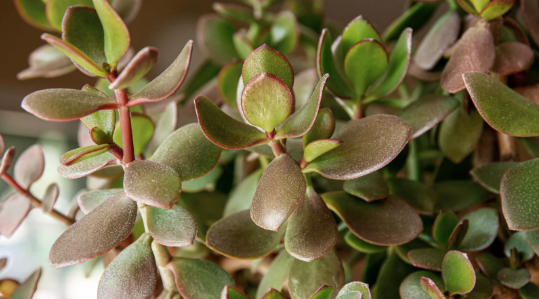
This article will explore why browning occurs, how to diagnose its cause, and practical steps you can take to revive your Jade Plant's health and beauty. With some simple adjustments, your Jade can bounce back and thrive again!
Understanding the Problem
Visual Identification of Browning Tips and Their Appearance
Browning tips on Jade Plant leaves usually appear as dry, crispy edges or spots at the leaf's tips or margins. Sometimes, the affected leaves may curl inward or feel brittle when gently touched. The discoloration can be yellow-brown or even dark brown, depending on severity. The browning often starts at the leaf edges and may spread inward if left untreated.
Common Causes Overview
Several factors contribute to browning tips in Jade Plants. The most common causes include:
- Watering issues: Overwatering or underwatering can stress the plant, leading to browning.
- Dry indoor air or low humidity: Jade Plants prefer moderate humidity; dry air causes leaf tips to dry out.
- Over-fertilization or salt buildup: Excess fertilizer can lead to salt accumulation in the soil, damaging roots and leaf tips.
- Environmental stress: Sudden changes in temperature, drafts, direct sun exposure, or low light conditions can cause leaf tip damage. Understanding these causes helps you pinpoint the specific issue affecting your plant.
Diagnosing the Exact Cause
Step-by-Step Process to Identify Why Your Jade Plant Has Browning Tips
Diagnosing the root cause involves observing your plant's environment, watering habits, and overall health. Follow these steps:
Cause 1: Overwatering or Underwatering
- Signs of overwatering: Soft, mushy stems, yellowing leaves, and excess soil moisture.
- Signs of underwatering: Dry, shriveled leaves, brittle stems, and very dry soil. How to tell: Check soil moisture by inserting a finger about an inch deep. If it’s soggy, overwatering is likely. If it’s bone dry and the plant looks wilted, it’s underwatered.
Cause 2: Low Humidity or Dry Indoor Air
- Signs: Dry leaf edges, especially during winter or in heated rooms.
- How to tell: If your home has low humidity (below 30%), your Jade may suffer from dry tips.
Cause 3: Excess Fertilizer or Salt Buildup
- Signs: White crust on soil surface, stunted growth, or rapid browning after fertilization.
- How to tell: If you recently fertilized more than recommended or notice salt deposits, this could be the culprit.
How to determine which cause applies to your plant
Cross-reference the symptoms with your plant's care routine and environment. For example, if soil feels wet and leaves are yellowing, overwatering is probable. If the soil is dry and tips are crispy, underwatering may be the issue. Dry air and brittle tips point to humidity problems, while salt deposits suggest fertilization issues.
Treatment Solutions
Immediate Actions
- Adjust watering: Let soil dry out completely before watering again. Ensure your pot has drainage holes to prevent water accumulation.
- Prune damaged tips: Using clean, sharp scissors, trim away the browning and crispy parts of the leaves. Focus only on the affected areas to encourage healthy new growth.
- Improve humidity: Increase indoor humidity by placing a tray of water nearby, misting occasionally, or using a small humidifier, especially in winter.
Long-term Treatment Plan
- Create a consistent watering schedule: Water only when the top inch of soil feels dry. During winter, reduce watering frequency.
- Enhance soil health: Use well-draining succulent soil or cactus mix. Repot if necessary to prevent root rot.
- Adjust fertilization: Feed your Jade Plant with a diluted succulent fertilizer during the growing season (spring and summer), avoiding overfertilization.
- Monitor and maintain environment: Ensure your Jade gets bright, indirect sunlight, and avoid drafts or sudden temperature fluctuations.
Monitoring Recovery
Keep an eye on new growth for signs of improvement. Healthy, firm leaves with no browning indicate recovery. If browning persists after adjustments, consider examining for pests or root rot, and seek further advice.
Prevention Tips
How to Maintain Optimal Conditions
- Water wisely: Use the "soak and dry" method—water thoroughly, then wait until the soil dries out before watering again.
- Fertilize appropriately: Feed sparingly, about once a month during the growing season, with a balanced, diluted succulent fertilizer.
- Optimize environmental factors:
- Light: Place your Jade Plant near bright, indirect sunlight.
- Humidity: Maintain moderate indoor humidity; avoid placing the plant near heating vents or open windows drafts.
- Air circulation: Ensure good ventilation without exposing the plant to cold drafts.
Summary
Caring for a Jade Plant involves balancing watering, light, humidity, and fertilization. Addressing the causes of browning tips involves simple yet attentive adjustments. Proper care will not only stop the browning but also promote lush, vibrant growth.
Conclusion
Addressing brown tips involves correcting watering practices, improving humidity, and pruning affected leaves. With patience and consistency, your Jade Plant can recover and regain its lush appearance. Remember to regularly review your plant’s environment, make necessary care adjustments, and monitor its progress. Your tender care will reward you with a healthy, thriving Jade Plant—happy and beautiful for years to come!
FAQ
Q: How long until I see improvement after adjusting care?
A: Typically, you should start noticing signs of recovery within a few weeks—new growth is a good indicator. However, patience is key, as some damage takes time to heal.
Q: Can my Jade Plant fully recover from browning tips?
A: Yes, if the cause is addressed promptly, the plant can fully recover. While some leaf damage is irreversible, healthy new leaves will grow, and the plant can regain its vibrancy.
Q: Should I prune all the brown tips or only the severely affected leaves?
A: It’s best to prune only the severely affected or crispy tips. Removing damaged parts encourages healthy new growth and prevents decay from spreading.
Your Jade Plant's health and beauty depend on attentive care. With these tips, you’re well on your way to resolving browning tips and growing a thriving indoor succulent!