Quick Summary: Sticky leaves on your Monstera deliciosa can be alarming, but often it's due to pest activity, natural plant secretions, or environmental factors. With proper diagnosis and treatment, you can restore your plant’s health and beauty effortlessly.
Introduction
Noticing sticky leaves on your Monstera deliciosa can be quite worrying. As a dedicated plant parent, you want to ensure your leafy friend thrives, but that shiny, gooey residue might make you nervous about pests or disease. Rest assured—this issue is common and quite fixable. Whether it’s a tiny pest sneaking around or the plant’s natural response to stress, understanding the cause is key to effective treatment. In this guide, we’ll explore why your Monstera might have sticky leaves, how to identify the root cause, and the best methods to fix and prevent this issue. With gentle care and a bit of troubleshooting, your plant can bounce back to its lush, vibrant self. Let’s dive into diagnosing and curing sticky leaf mysteries!
Section 1: Understanding the Problem
Sticky leaves on a Monstera deliciosa are often a sign of underlying issues that need care. Recognizing the exact nature of the sticky residue and understanding potential causes will help you choose the right treatment.
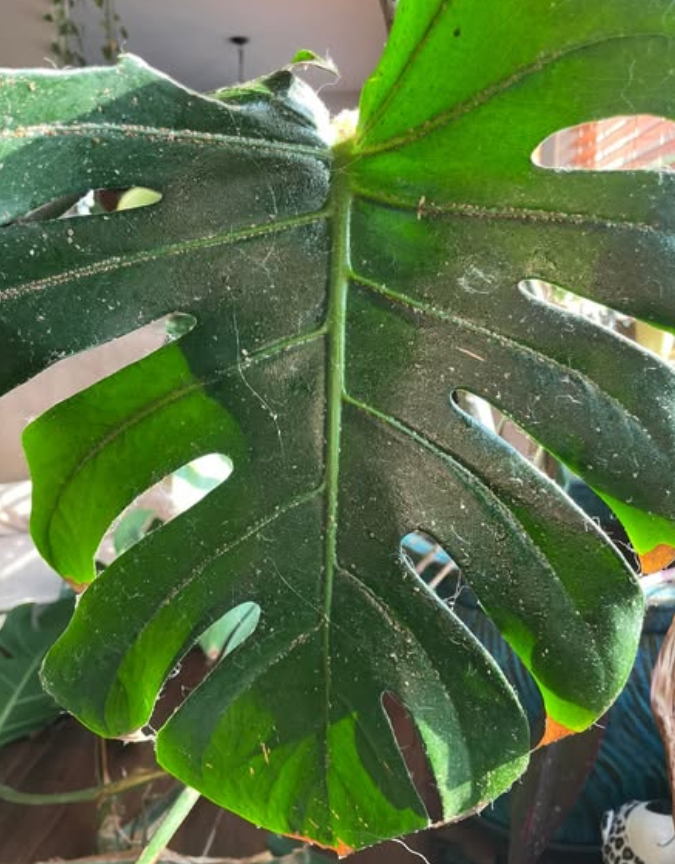
Visual Identification: Sticky Residue and Shiny Surface
- The leaves may appear shiny or have a film of sticky substance.
- You might notice a thin, clear, or slightly cloudy residue coating the leaf surface.
- Sometimes, small insects or fuzzy patches accompany the sticky residue.
Common Causes Overview
- Pest infestation: Especially sap-sucking insects like scale, mealybugs, aphids, or spider mites.
- Natural secretions: Plants can produce sticky exudates as a defensive or stress response or due to overwatering.
- Environmental issues: High humidity and lack of airflow can encourage pest buildup or fungal issues that produce sticky substances. These cues are clues—spotting them early helps prevent further damage and enables precise treatment.
Section 2: Diagnosing the Exact Cause
Follow these steps to identify if pests, disease, or natural plant responses are causing the sticky leaves:
Cause 1: Pest infestation (e.g., scale insects, mealybugs, aphids)
- Symptoms: Tiny, oval-shaped bugs that often attach to leaf stems or undersides; a white, cottony, or waxy coating; frequent presence of buzzing sounds or webbing.
- How to confirm: Gently wipe a leaf with a damp cloth or use a magnifying glass to search for insects or their protective shells.
- Why it happens: Indoor plants are prone to pests due to dry air, overwatering, or bringing in infested new plants.
Cause 2: Fungal or bacterial disease producing sticky exudates
- Symptoms: Oily or sticky spots accompanied by yellowing or browning leaves; fuzzy mold or black spots nearby.
- How to confirm: Check for fuzzy patches, mold, or bacterial ooze, especially around wounds or damaged areas on leaves or stems.
- Why it happens: Overwatering, poor airflow, or high humidity can encourage fungal growth and bacterial infections.
Cause 3: Natural plant secretions, especially if the plant is stressed or overwatered
- Symptoms: Sticky droplets—called resins or sap—without insects; stressed-looking leaves or signs of overwatering.
- How to confirm: No insects are present; inspect the soil for excess moisture; observe if the plant shows other stress signs.
- Why it happens: Plants sometimes produce sticky substances as a stress response, especially if roots are waterlogged or if the plant is under environmental stress.
How to tell which cause it is:
- Insects present: Likely pest infestation.
- Fuzzy patches or mold: Fungal or bacterial disease.
- No insects, but sticky residue: Likely natural secretion or stress-related. A careful inspection, possibly with a magnifying glass, will help you confidently pinpoint the issue.
Section 3: Treatment Solutions
Once you've identified the cause, here's how to treat your Monstera effectively:
Immediate Actions (First 24-48 Hours):
-
Gentle Leaf Cleaning:
-
Use a soft, damp cloth or sponge to wipe off the sticky residue and remove dust and pests.
- Warm water mixed with a few drops of dish soap is effective.
-
Isolate Your Plant:
-
Keep your Monstera away from other houseplants to prevent pest spread.
-
Inspect Thoroughly:
-
Use a magnifying glass to identify pests or mold.
For Pest Control:
- Use Insecticidal Soap or Neem Oil:
- Mix according to package instructions.
- Spray all leaf surfaces, including undersides and stems, focusing on infested areas.
- Repeat every 7-10 days until pests disappear.
-
For heavy infestations, prune and discard seriously affected leaves.
-
Physical Removal:
- Manually wipe pests off with a cloth or use a soft brush.
For Fungal or Bacterial Causes:
- Improve Air Circulation:
- Space your plants adequately.
- Use a small fan indoors if needed.
- Adjust Watering Habits:
- Water only when the top inch of soil feels dry.
- Prune Affected Areas:
- Trim away diseased leaves or stems with sterile scissors.
- Apply Fungicides (if necessary):
- Use organic fungicides or follow detailed directions for chemical options.
- Maintain Dry Surfaces:
- Wipe leaves with a dry cloth if needed to remove excess moisture.
Natural Remedies:
- Neem Oil Spray:
- Acts as both a pest repellent and antifungal agent.
- Hydrogen Peroxide Solution (1 part hydrogen peroxide to 4 parts water):
- Lightly spray on affected areas to eliminate fungal spores.
Long-term Recovery:
- Expect gradual reduction in sticky residue over a week.
- Visible pest decline or fungal clearing usually takes 2-3 weeks.
- Healthy new leaves should emerge with proper care.
Warning:
If no improvement occurs after consistent treatment for 3-4 weeks, reassess diagnosis or consult a local plant expert.
Section 4: Prevention Tips
Avoid future sticky leaf issues with these practices:
- Maintain Proper Watering Routine:
- Water only when the top inch of soil feels dry.
- Avoid overwatering, which stresses the plant and encourages pests and disease.
- Regular Inspection:
- Check leaves weekly for early signs of pests or mold.
- Catch problems before they spread.
- Improve Airflow and Humidity:
- Keep plants in well-ventilated areas.
- Use a fan or open windows to reduce humidity spikes.
- Clean Leaves Gently Weekly:
- Use a damp cloth to wipe dust, which can harbor pests.
- Organic Pest Prevention:
- Place companion plants nearby or use organic repellents like neem oil sprays periodically to deter pests. By making these small adjustments, you'll create an environment less inviting to pests and diseases, promoting your Monstera's robust health.
Frequently Asked Questions
Q: How long until I see improvement after treatment?
A: Typically, you should see a reduction in sticky residue within a week. Complete pest elimination or fungal control might take 2-3 weeks, with steady new growth indicating recovery.
Q: Is it safe to use chemical pesticides indoors?
A: Some chemical pesticides are safe if used according to label instructions and if you ensure good ventilation. However, organic options like neem oil and insecticidal soap are safer and eco-friendly, especially for indoor plants.
Q: How can I prevent pests on my Monstera in the future?
A: Regular inspection, avoiding overwatering, ensuring good airflow, and using organic preventive treatments can keep pests at bay. Quarantining new plants before introducing them helps prevent infestations.
Conclusion
Sticky leaves on your Monstera deliciosa can be caused by pests, diseases, or natural secretions, but with careful diagnosis and targeted action, you can resolve the issue. Remember: patience, consistency, and gentle care are your best tools. Key Takeaways:
- Inspect your plant closely to identify the cause.
- Use natural or chemical treatments as needed.
- Prioritize prevention through regular checks and proper care routines.
- Your Monstera will rebound with the right love and attention. With these steps, you’re well on your way to having a happy, healthy, and beautifully glossy Monstera. Happy gardening!