Struggling with soft, limp Calathea leaves? You're not alone. Many plant enthusiasts encounter this issue, which can be concerning but is often fixable with the right understanding and care. If your beautiful Calathea’s leaves are turning soft or droopy, don’t fret—this is a common problem that can be addressed with simple adjustments.
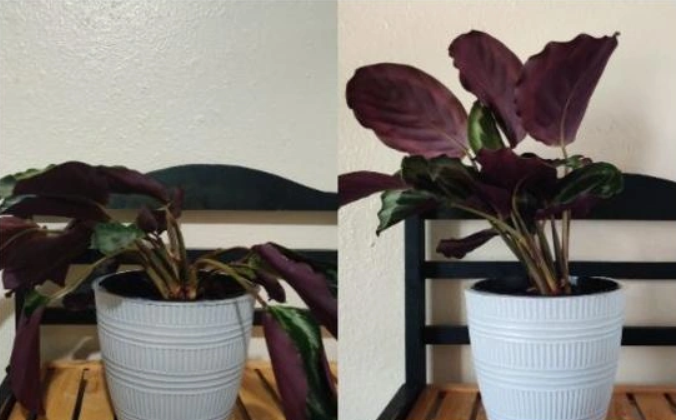
This guide aims to help you identify the causes of soft leaves, walk you through practical troubleshooting steps, and offer solutions to revive your plant and keep it thriving. Remember, with a little patience and attentiveness, your Calathea can bounce back to its lush, vibrant self.
Section 1: Understanding the Problem
Visual identification of soft, drooping leaves
First, recognize what soft or limp leaves look like. Typically, Calathea leaves may appear flattened, drooping, or feel mushy or limp when touched. They might lose their usual firmness and stand less upright, giving the plant a less vibrant appearance. Sometimes, the edges may curl, or the leaves may seem to hang limply, indicating underlying stress.
Common causes overview: overwatering, underwatering, low humidity, temperature stress
Several factors can cause Calathea leaves to become soft:
- Overwatering: Excess water can lead to root rot, impairing the plant's ability to absorb nutrients and moisture effectively.
- Underwatering: Conversely, insufficient watering causes dehydration, leading to water loss in leaves and droopiness.
- Low Humidity: Calatheas thrive in high humidity environments; dry air causes leaves to lose turgidity.
- Temperature Stress: Exposure to drafts, sudden temperature drops, or excessive heat can weaken the plant’s overall health and cause leaf softness. Understanding these symptoms and causes sets the foundation for effective troubleshooting.
Section 2: Diagnosing the Exact Cause
Follow these steps to determine what's causing your Calathea's soft leaves
Accurate diagnosis ensures targeted treatment. Here’s how to identify the root cause:
Cause 1: Overwatering leading to root rot or waterlogged soil
Indicators:
- Soil feels constantly wet or soggy
- Roots may appear brown, soft, or foul-smelling upon inspection
-
Plant shows other signs of stress, such as yellowing leaves How to check:
-
Gently remove the plant from its pot and look at the roots
- Healthy roots are white or light tan and firm
- Rotten roots are dark, mushy, and unpleasant smelling
Cause 2: Insufficient watering causing dehydration
Indicators:
- Soil feels dry several inches below the surface
- Leaves are limp, crispy at the edges, or shriveled
-
General appearance of drought stress How to check:
-
Insert your finger about 1-2 inches into the soil
- If dry, it's a sign your plant needs more watering
Cause 3: Low humidity or drafts affecting leaf turgidity
Indicators:
- Leaves feel dry, brittle, or limp despite adequate watering
- The environment is dry, especially in winter with indoor heating
-
Leaves may have brown tips or edges due to dryness How to check:
-
Measure humidity levels around your plant (ideal: 50-60%)
- Observe nearby sources of dry air or drafts
How to tell which cause applies to your plant
Combine these observations: if soil is soggy and roots are rotting, overwatering is the culprit; if soil is dry and leaves are wilted or crispy, underwatering is likely at fault. Low humidity signs suggest environmental stress rather than watering issues. Accurate diagnosis is key for effective treatment.
Section 3: Treatment Solutions
Address each cause with targeted remedies to help your Calathea recover
Immediate actions: adjust watering, check soil moisture, increase humidity
- Overwatering:
- Allow the soil to dry out before watering again
- Use well-draining potting mix to prevent future waterlogging
- Underwatering:
- Water thoroughly until excess drains from the bottom of the pot
- Ensure consistent watering schedule to maintain soil moisture
- Low humidity:
- Increase ambient humidity by misting leaves regularly
- Place a humidity tray beneath your plant with pebbles and water
- Use a humidifier in dry indoor environments
Repotting or pruning if root rot is suspected
- Gently remove the plant from its pot
- Trim away all rotted or mushy roots with sterilized tools
- Repot in fresh, well-draining soil in a clean container
- Water lightly after repotting and provide a warm, stable environment
Using natural remedies like humidifiers or misting, and chemical solutions if necessary
- Natural methods are preferred for routine care
- Avoid excess calcium or chemicals that may damage foliage
- In severe cases, consider a mild organic fungicide to prevent or treat root rot, following instructions carefully
Monitoring progress and ensuring healthy recovery
- Keep a consistent watering and humidity routine
- Observe leaf firmness and overall plant vigor
- Remove any severely damaged leaves to encourage new growth
Section 4: Prevention Tips
Learn how to maintain optimal conditions to keep your Calathea healthy and prevent softness issues
- Consistent watering schedule:
- Water when the top inch of soil feels dry
- Use pots with drainage holes to prevent water accumulation
- Maintaining adequate humidity levels:
- Keep indoor humidity at around 50-60%
- Use misting or humidifiers regularly, especially in winter
- Avoiding temperature fluctuations and drafts:
- Keep your plant away from cold windows or heating vents
- Maintain stable indoor temperatures (65-80°F or 18-27°C)
- Regular inspection and early intervention:
- Check leaves and soil weekly for signs of stress
- Address issues promptly to prevent escalation
Conclusion
Recap of the importance of proper watering, humidity, and environment management to prevent soft leaves
Caring for a Calathea involves attention to watering habits, humidity, and environmental stability. Soft, limp leaves are often symptoms of dehydration, overwatering, or unsuitable conditions. By diagnosing the problem correctly and implementing targeted solutions, you can bring your plant back to health.
Encouragement
Remember, every plant parent encounters hiccups along the way. With patience and proactive care, your Calathea can recover and display its stunning, vibrant foliage once more.
Next steps
Start by adjusting your watering routine, increasing humidity, and inspecting your plant regularly. Monitor its progress carefully, and don’t hesitate to seek expert advice if problems persist. Your lush, healthy Calathea is within reach!
FAQ
Q: How long until I see improvement after fixing watering or humidity issues?
A: Generally, you can expect to see signs of recovery within a week to ten days. Leaf turgidity should improve, and the plant will regain some of its vibrancy. However, full recovery from damage like root rot may take several weeks of consistent care.
Q: Can my Calathea fully recover from root rot or leaf damage?
A: Yes, with swift action—such as trimming affected roots, repotting, and adjusting watering habits—your Calathea has a good chance of recovery. Fully damaged leaves may not regrow, but healthy new growth will eventually replace them.
Q: Should I prune the soft or damaged leaves to encourage new growth?
A: Absolutely. Removing limp, soft, or damaged leaves helps redirect the plant’s energy toward healthy growth and prevents potential disease spread. Use clean, sharp scissors or pruning shears and cut close to the base without damaging neighboring leaves.
By following these guidelines, you're well on your way to nurturing a strong, vibrant Calathea. Happy gardening!