Learning to care for your String of Pearls (Senecio rowleyanus) can sometimes involve tricky issues like black spots appearing on its delicate leaves and stems. If you've noticed these dark patches, don't panic — you're not alone, and help is available. In this comprehensive guide, we'll walk you through understanding what causes black spots, diagnosing the exact problem, applying effective treatments, and adoptingPreventive tips to keep your plant healthy and vibrant. With patience and proper care, your beloved String of Pearls can bounce back from these unsightly spots and flourish once again.
Section 1: Understanding the Problem
Visual identification of black spots on leaves and stems
The first step to fixing black spots on your String of Pearls is properly identifying what you're seeing. Black spots appear as irregular or round dark patches on the plant’s leaves or stems. They may look like tiny ink stains, or sometimes larger patches that seem to spread over time. These spots can be slightly raised or sunken and are often surrounded by a yellow or brown halo. It's important to distinguish between spots caused by various issues — some are fungal, some are physical damage, and others may result from environmental stress.
Common causes overview, including fungal infections, overwatering, and environmental stress
Several factors can cause black spots:
- Fungal infections: Leaf spot diseases caused by fungi such as Colletotrichum or Stemphylium can produce black, necrotic patches.
- Overwatering: Excess moisture can lead to root and stem rot, which may manifest as blackening of stems or leaves.
- Environmental stress: Sudden changes in temperature, low light, poor airflow, or physical damage can weaken the plant and lead to spotting.
- Physical damage: Bumping or pressing against the plant can cause bruising and subsequent black discoloration. Understanding these causes is crucial for tailoring your treatment plan.
Section 2: Diagnosing the Exact Cause
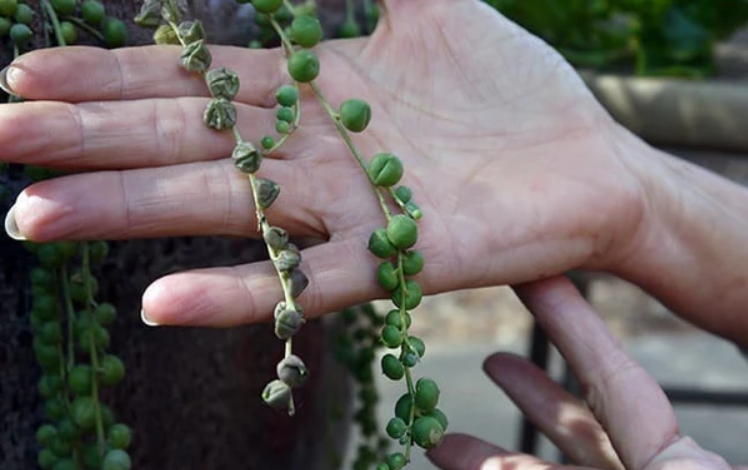
Follow a step-by-step process to pinpoint the cause of the black spots
Accurately diagnosing the source of black spots allows for targeted treatment. Here’s how to proceed:
Cause 1: Fungal infections (such as leaf spot diseases)
- Look for irregular, defined black patches on leaves, often with a slightly sunken appearance.
- Check if spots are spreading or appearing in clusters.
- Fungal spots may be accompanied by powdery or fuzzy mold if conditions favor mold growth.
Cause 2: Overwatering leading to root or stem issues
- Gently examine the roots (if the plant is pot-bound or if you can carefully lift it out).
- Black, soggy roots indicate root rot.
- Stems may feel soft and blackened near the base.
- Overwatering often coincides with waterlogged soil and poor drainage.
Cause 3: Environmental stress or physical damage
- If black spots appeared after recent relocation, bumping, or sudden environmental change, physical stress is likely.
- Check for bruising or scars on stems and leaves.
How to tell which cause applies to your plant
Assess these signs and consider recent care routines. If fungal infection or overwatering seems most likely, take immediate action to treat the issue. If recent physical activity or environmental change triggered the spots, adjustments are needed to avoid future stress.
Section 3: Treatment Solutions
Immediate actions: isolate affected plant, remove affected parts
- Carefully move your String of Pearls away from other plants to prevent spread.
- Use clean, sharp scissors or pruning shears to prune away blackened or rotten parts.
- Discard affected leaves and stems in sealed plastic bags to prevent spores from spreading.
Long-term treatment plans: fungicides, adjusting watering routines, improving airflow
- If a fungal infection is confirmed, apply a suitable fungicide labeled for houseplants, following product instructions carefully.
- Reduce watering frequency; let the soil dry out completely between watering sessions.
- Improve air circulation around the plant by spacing pots apart and ensuring good airflow.
Natural remedies: neem oil, hydrogen peroxide solutions
- Neem oil: Mix according to instructions and spray on affected areas weekly to combat fungi naturally.
- Hydrogen peroxide: A diluted solution (1 part hydrogen peroxide to 4 parts water) can be sprayed on stems and leaves to disinfect and stimulate healing.
Chemical options: appropriate fungicides and how to apply safely
- Use approved fungicides such as copper-based or chlorothalonil formulations.
- Always follow package instructions for dosage and application frequency.
- Wear gloves and work in well-ventilated areas to ensure safety.
Section 4: Prevention Tips
Care routine adjustments: proper watering, ensuring well-draining soil
- Water your String of Pearls only when the top inch of soil feels dry.
- Use a well-draining succulent or cactus soil mix to prevent water retention.
- Avoid letting your plant sit in standing water; ensure the pot has sufficient drainage.
Environmental factors: adequate light, air circulation, avoiding excess humidity
- Place your plant where it can receive bright, indirect light — about 4-6 hours daily.
- Increase airflow by placing the plant in a spot with gentle breezes or using a small fan.
- Keep humidity low; avoid misting the plant excessively.
Conclusion
Summary
Black spots on your String of Pearls can seem alarming but are usually manageable with prompt and proper care. By understanding the underlying causes—whether fungal infections, overwatering, or physical stress—you can take targeted actions to help your plant recover.
Encouragement
Remember, early intervention and consistent care are your best tools. With patience, your String of Pearls can bounce back to its lush, graceful self.
Next steps
Regularly monitor your plant for any signs of trouble, maintain a balanced watering routine, and ensure healthy environmental conditions. If you're ever in doubt, seeking advice from plant care resources or local nurseries can provide additional reassurance.
FAQ
Q: How long until I see improvement after treatment?
A: Typically, you may start noticing signs of recovery within a few weeks of consistent treatment and improved care. Fungal spots often fade and cease spreading after a dedicated fungicide application, but some blackening may persist temporarily as the plant heals.
Q: Can my String of Pearls fully recover from black spots?
A: Yes, with appropriate treatment and care adjustments, most plants can fully recover. It's important to remove affected parts promptly and prevent future issues through preventative practices.
Q: Should I prune the affected parts immediately?
A: Yes. Carefully prune away any black or dead leaves and stems to promote healthy growth and prevent the spread of disease. Use sterilized tools to avoid further infection.
With this knowledge, you're well-equipped to fix String of Pearls black spots and restore your plant's beauty. Happy gardening, and remember — caring for plants is as much about patience and love as it is about the right techniques!