Learn how to diagnose and fix soft leaves on your Jade Plant with simple, effective care tips. Restore your plant's health and prevent future issues easily.
Introduction
Noticing soft, limp leaves on your Jade Plant can be quite worrying—it's natural to feel concerned when your favorite indoor companion starts to look unwell. But don't worry; this is a common issue faced by many plant enthusiasts, especially those new to caring for succulents. The good news is, soft leaves are often fixable with some straightforward adjustments in your plant care routine. This article will guide you through understanding why your Jade Plant's leaves become soft, how to accurately diagnose the problem, and the most effective solutions to revive your plant. With patience and proper care, your Jade Plant can regain its vitality and continue to brighten your indoor space.
Section 1: Understanding the Problem
Visual identification of soft or limp leaves
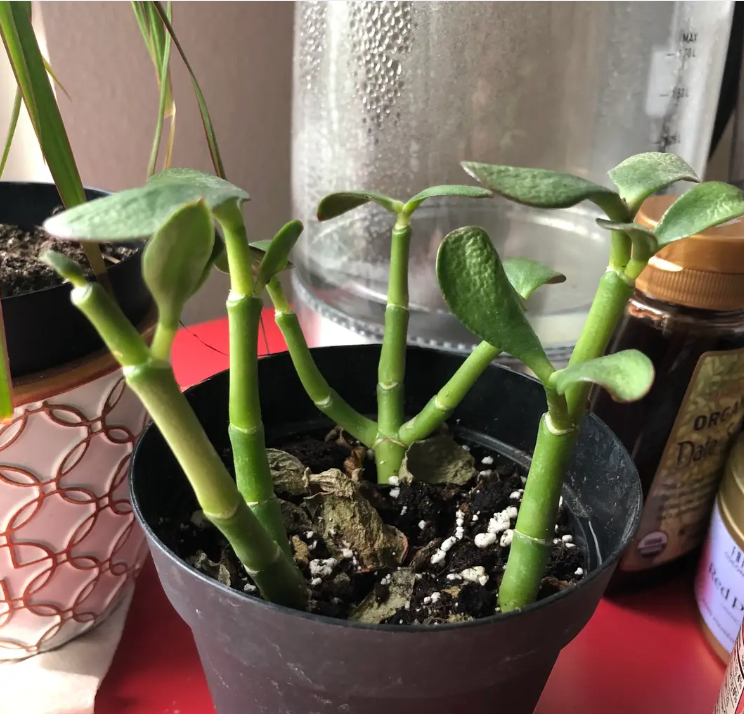
Soft leaves on a Jade Plant typically appear plump, limp, or wilted compared to healthy, firm leaves. They may feel mushy or squishy when gently touched, and their color could be dull or yellowish. Sometimes, the leaves may start to shrink or fall off easily.
Common causes overview: overwatering, underwatering, root rot, or environmental stress
Several factors can lead to soft leaves, most notably:
- Overwatering: Excess water can cause roots to rot, leading to poor water absorption and soft, drooping leaves.
- Underwatering: Conversely, insufficient watering results in dehydration, making leaves limp and dry.
-
Root rot: A consequence of overwatering, root decay impairs nutrient uptake and results in soft, unhealthy foliage.
-
Environmental stress: Exposure to extreme temperatures, drafts, or insufficient light can weaken the plant, causing leaves to become limp. Understanding these causes is essential to determine the correct remedy.
Section 2: Diagnosing the Exact Cause
Follow a step-by-step process to determine the root cause of the soft leaves
Accurate diagnosis involves observing your plant carefully and performing simple checks.
Cause 1: Overwatering leading to root rot and soft leaves
- Check the soil: Is it consistently moist or soggy?
- Inspect the roots: Gently remove the plant from its pot and examine the roots. Rotted roots are black, brown, or mushy, and may emit a foul smell.
Cause 2: Underwatering causing dehydration and limp leaves
- Check the soil: Is it completely dry several inches below the surface?
- Examine the leaves: Are they shriveled, dry, or crispy?
Cause 3: Environmental stress such as improper lighting or temperature
- Assess light conditions: Is the plant receiving bright, indirect sunlight?
- Check temperature: Is the environment too hot or cold? Jade Plants prefer temperatures between 65-80°F (18-27°C).
How to tell which cause applies to your plant
- Soft, mushy, yellowing leaves + soggy soil + rotting roots: likely overwatering and root rot.
- Wilting, dry, shriveled leaves + dry soil: underwatering.
- Limp leaves with healthy soil but poor light or temperature conditions: environmental stress. Proper diagnosis ensures targeted treatment, increasing the chances of successful recovery.
Section 3: Treatment Solutions
Apply targeted remedies based on the diagnosed cause
Immediate actions: adjusting watering habits, removing damaged leaves
- Overwatering: Stop watering immediately. Allow the soil to dry out completely.
- Underwatering: Water the plant thoroughly, ensuring excess water drains freely.
- Remove damaged leaves: Gently prune any mushy, yellow, or dead leaves to prevent rot spreading.
Long-term treatment plan
- If root rot is present:
- Gently remove the plant from its pot.
- Trim away all rotted roots with sterilized scissors.
- Repot in well-draining succulent soil mixture.
- Use a pot with drainage holes to prevent water accumulation.
- Improve drainage:
- Mix sand or perlite into your potting soil.
- Elevate the pot slightly to promote airflow.
- Environmental adjustments:
- Place your Jade Plant in bright, indirect sunlight.
- Maintain a stable temperature and avoid drafts.
What to expect during recovery: signs of improvement and patience tips
- The plant may initially look wilted, but with consistent care, new, firm leaves should develop within a few weeks.
- Be patient and avoid overwatering or repotting frequently, which can stress the plant further.
Section 4: Prevention Tips
Prevent future soft leaf issues with proper care routines
Adjust watering schedule and ensure proper drainage
- Water only when the top inch of soil feels dry.
- Use pots with drainage holes to prevent waterlogging.
- During winter, reduce watering frequency as the plant's growth slows.
Monitor environmental conditions like light and temperature
- Place your Jade Plant in a spot with bright, indirect sunlight for at least 4-6 hours daily.
- Keep room temperatures steady, avoiding sudden drafts or extreme heat/cold.
Regular inspection and early intervention
- Check your plant weekly for signs of stress or pests.
- Address issues like yellowing leaves or soft spots immediately to prevent escalation.
Conclusion
Recap of identifying, diagnosing, and fixing soft leaves on your Jade Plant
Dealing with soft leaves on your Jade Plant can be concerning, but understanding the underlying causes—whether overwatering, underwatering, root rot, or environmental stress—empowers you to take effective action. Accurate diagnosis followed by targeted treatments like adjusting watering habits, repotting if necessary, and optimizing environmental conditions can bring your plant back to health.
Encouragement
Remember, patience and attentive care are your best tools. With proper adjustments, your Jade Plant has a great chance of bouncing back and thriving once again.
Next steps
Start by assessing your plant’s current condition, identify the cause, and implement the recommended care tips. Keep monitoring your Jade Plant regularly, and soon you'll see signs of recovery and renewed vitality.
FAQs
Q: How long until I see my Jade Plant recover after fixing watering issues?
A: Typically, you can expect to see signs of improvement within 2 to 4 weeks. New, firm leaves may start to develop, and existing soft leaves should gradually firm up if the cause was properly addressed. Patience is key, as recovery times can vary depending on the extent of the damage.
Q: Can I save my plant if the roots are severely rotted?
A: Yes, but it depends on the severity. If you catch root rot early, removing all affected roots and repotting in fresh, well-draining soil gives your Jade Plant a good chance to recover. However, if most roots are severely decayed, the prognosis worsens, and some parts may not survive. Regular inspection helps catch issues early.
Q: Should I prune the soft leaves or wait until they are firm again?
A: It's best to prune and remove mushy, yellowing, or dead leaves promptly. This prevents rot from spreading and encourages healthy new growth. Wait until the plant shows signs of improvement before pruning any healthy, firm leaves to maintain its appearance and vitality.
By following these tips and paying close attention to your Jade Plant’s needs, you can restore its health and enjoy lush, vibrant foliage once more. Happy gardening!