Quick Summary: Black spots on your Snake Plant can be worrying, but often they’re caused by treatable issues like fungal infections or overwatering. With proper diagnosis and care, your plant can heal and thrive once again.
Introduction
Noticing black spots on your Snake Plant (Sansevieria) can be unsettling—it's natural to feel concerned for your beloved green friend. After all, our indoor plants are like family members, offering us beauty and tranquility. When problems arise, especially unsightly spots, it’s easy to panic or wonder if your plant is beyond saving. But don’t worry—most black spots are signs of manageable issues, and with some attention and care, you can help your Snake Plant recover. In this article, we'll walk through why black spots appear, how to tell what's causing them, and practical steps you can take to treat and prevent future problems. Whether it’s a fungal infection, too much water, or physical damage, I’ll guide you with friendly, clear advice—because a healthy plant is just a few practices away.
Section 1: Understanding the Problem
Black spots on the leaves of your Snake Plant are often symptoms of underlying issues that need addressing. These spots can vary in size, shape, and distribution, but they usually signal stress or disease.
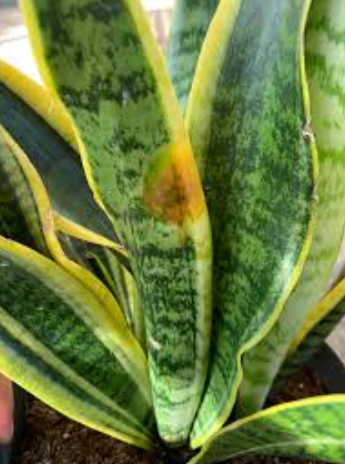
Visual identification of black spots: appearance, location, and progression
- Appearance: Small, dark, sunken spots that may turn black as they deepen.
- Location: Most often on older leaves, but can appear on new growth if the problem persists.
- Progression: Initially tiny, spots may enlarge or spread, sometimes accompanied by yellowing or wilting.
Common causes overview: fungal infections, overwatering, bacterial issues, or physical damage
- Fungal infection: Causes fuzzy or powdery growths, often spreading across leaves.
- Overwatering: Can lead to root rot, which manifests as black spots or lesions on leaves.
- Bacterial issues: Typically cause water-soaked, oozing black or brown patches.
- Physical damage: Sudden injury or sunburn can cause blackened dead tissue on leaves. Understanding these signs helps you determine whether your plant’s spots are just cosmetic or a sign of something needing urgent attention.
Section 2: Diagnosing the Exact Cause
To effectively treat black spots, it's key to identify what is causing them. Here's a step-by-step guide to help you diagnose your Snake Plant.
Cause 1: Fungal Infection
Symptoms:
- Fuzzy, powdery, or mold-like black growth on leaf surfaces.
- Spots may be circular or irregular.
-
Often associated with high humidity or poor air circulation. How to confirm:
-
Visually inspect for fuzzy mold or powdery patches.
- Check moisture levels — overwatering increases fungal risk.
- Feel the leaf; if soft or mushy, it points toward rot.
Cause 2: Root or Stem Rot due to Overwatering
Symptoms:
- Soft, black, or mushy leaves.
- Roots may be brown, black, and slimy when examined.
-
Leaves may yellow or wilt before spotting appears. How to confirm:
-
Gently remove the plant from its pot.
- Check roots for softness, discoloration, or foul smell.
- Examine stems for blackened or rotted areas.
Cause 3: Physical Damage or Sunburn
Symptoms:
- Blackened, dead tissue localized on parts of leaves.
-
Recent injury, pruning, or spots on the side facing sunlight. How to confirm:
-
Recall recent physical activity—moved, bumped, or pruned the plant?
- Check exposure: was the plant suddenly exposed to direct, intense sunlight?
How to tell which cause applies:
- Are the spots fuzzy or moldy? Likely fungal.
- Are the leaves soft, mushy, or rotting? Likely overwatering related.
- Are the spots localized and recently exposed to sunlight? Possible sunburn or physical injury. Use this decision checklist to identify the cause, then proceed with targeted treatment.
Section 3: Treatment Solutions
Once you’ve diagnosed the cause, follow these steps to treat your Snake Plant effectively.
Immediate actions (First 24-48 Hours):
1. Isolate the plant:
Move your Snake Plant away from other houseplants to prevent spreading any disease.
2. Prune affected areas:
Using sterilized pruning shears, cut away all leaves or leaf parts showing black spots or rotted tissue.
Tip: Sterilize tools with rubbing alcohol before and after pruning.
3. Remove contaminated debris:
Dispose of pruned material away from your home or compost pile.
4. Reduce watering:
Hold off on watering for a few days to prevent further moisture-related issues.
Long-term treatment options:
Natural remedies:
-
Neem oil:
Mix according to label instructions and spray on affected leaves to combat fungal fungi naturally. -
Hydrogen peroxide solution:
Dilute 1 part 3% hydrogen peroxide with 2 parts water and lightly spray or dab on spots. It helps kill fungal spores. -
Copper-based fungicides:
Use as directed if natural options aren’t enough, especially for severe fungal infections.
Chemical options:
- Use a commercial fungicide formulated for houseplants if symptoms persist or worsen. Always follow the manufacturer’s instructions closely.
Long-term care tips:
-
Improve airflow:
Arrange your plants for better circulation and avoid overcrowding. -
Avoid overwatering:
Water only when the top inch of soil is dry—Snake Plants prefer infrequent, deep watering. -
Proper environmental conditions:
Maintain moderate humidity and protect the plant from excessive direct sun.
Monitoring during recovery:
- Expect visible improvements within 2-4 weeks.
- Watch for new spots or signs of spread.
- If no improvement, reassess the diagnosis or consult a horticulturist.
Section 4: Prevention Tips
Prevention is the best cure. Keep your Snake Plant healthy and resilient with these practical tips.
Care routine adjustments:
-
Water sparingly:
Water only when the soil is completely dry. During winter, reduce watering further. -
Use well-draining soil:
A cactus or succulent mix helps prevent water retention around roots. -
Keep leaves dry:
Avoid splashing water on leaves when watering—water the soil directly.
Environmental factors:
-
Ensure good airflow:
Open windows or use fans to circulate air and reduce humidity. -
Avoid excess humidity:
Snake Plants are drought-tolerant, so high humidity can foster fungal problems. -
Provide indirect light:
Bright, indirect sunlight keeps your plant healthy without causing sunburn.
Regular inspections:
- Check leaves regularly for early signs of spots or pests.
- Remove fallen or damaged leaves promptly.
Quarantine new plants:
- Keep new acquisitions separate for at least two weeks.
- Inspect for pests or disease before integrating into your collection.
Frequently Asked Questions
Q: How long until I see improvement after treatment?
A: Typically, you should observe noticeable improvement within 2-4 weeks if treatment is effective and environmental conditions are optimal.
Q: Will my Snake Plant recover completely from black spots?
A: Many Snake Plants recover fully if the cause is properly treated early. Severe or prolonged infections, especially if stems or roots are heavily rotted, may require more intensive interventions.
Q: Should I prune all affected leaves or only the visibly damaged parts?
A: Prune only the affected sections, making clean cuts just outside healthy tissue. Removing all diseased leaves helps prevent spreading but avoid excessive pruning to reduce plant stress.
Conclusion
Black spots on your Snake Plant can seem alarming, but most issues are manageable with careful diagnosis and targeted care. Remember:
- Identify the cause through visual clues and environmental history.
- Prune affected areas with sterilized tools.
- Treat fungal infections with natural remedies or fungicides.
- Adjust watering and care routines to prevent recurrence.
- Inspect regularly and maintain optimal growing conditions. Most importantly, stay patient and gentle with your Snake Plant. With attentive care, it can bounce back beautifully, adding lush greenery and calm to your space once again. Take the first step today—your plant’s health depends on your loving attention!
Ready to give your Snake Plant the best care? Start with a thorough inspection, then follow the tailored steps we've discussed. Happy planting!