Discover why your Anthurium's leaves turn yellow and learn practical steps to diagnose, treat, and prevent this common indoor plant issue effectively.
Introduction
Noticing yellow leaves on your Anthurium can be worrying, especially when you’ve invested time and care into keeping it healthy and vibrant. However, yellowing leaves are a common concern among plant enthusiasts—beginners and seasoned growers alike—and often indicate underlying issues that are fixable. This article will explore the main causes of yellowing leaves, how to diagnose the specific problem affecting your plant, and practical solutions to bring your Anthurium back to health. With a little patience and proper care, you can restore your plant’s lush, glossy foliage and enjoy its beautiful blooms once again.
Section 1: Understanding the Problem
Visual Identification of Yellow Leaves and Their Characteristics
Yellow leaves on an Anthurium often appear as bright, lemon-yellow patches or uniformly yellowed foliage. They may be soft, wilted, or crispy, depending on the cause. Recognizing these signs early helps to address the issue before it worsens.
Common Causes Overview: Overwatering, Underwatering, Lighting Issues, Nutrient Deficiencies, Pests, and Natural Aging
Yellowing leaves can result from various factors:
- Overwatering: Excess water leads to root rot, impairing nutrient uptake.
- Underwatering: Lack of water causes stress and dehydration, leading to yellowing.
- Lighting issues: Insufficient or excessive light can affect leaf health.
- Nutrient deficiencies: Lack of essential nutrients like nitrogen or magnesium.
- Pests and diseases: Infestations or infections weaken the plant.
- Natural aging: Older leaves naturally turn yellow and fall off. Understanding these causes sets the foundation for accurate diagnosis and effective treatment.
Section 2: Diagnosing the Exact Cause
Follow a Step-by-Step Process to Determine the Root Cause of Yellowing Leaves
Cause 1: Overwatering or Poor Drainage
- Check the soil moisture: Is the soil constantly wet or soggy?
- Examine the pot: Does it have drainage holes? Is excess water draining properly?
- Look at the roots: Are they brown, mushy, or foul-smelling? These are signs of root rot caused by overwatering.
Cause 2: Insufficient Light or Improper Lighting Conditions
- Observe the plant’s location: Is it in a spot with bright, indirect light?
- Check for leggy growth or pale leaves, indicating insufficient light.
- Conversely, if the leaves are scorched or bleached, it may be too much direct sunlight.
Cause 3: Nutrient Deficiencies (e.g., Nitrogen, Magnesium)
- Look at overall plant vigor: Are new leaves smaller or pale?
- Yellowing starting from the oldest leaves often suggests nitrogen deficiency.
- Magnesium deficiency may cause interveinal chlorosis, where veins stay green but leaf tissue turns yellow.
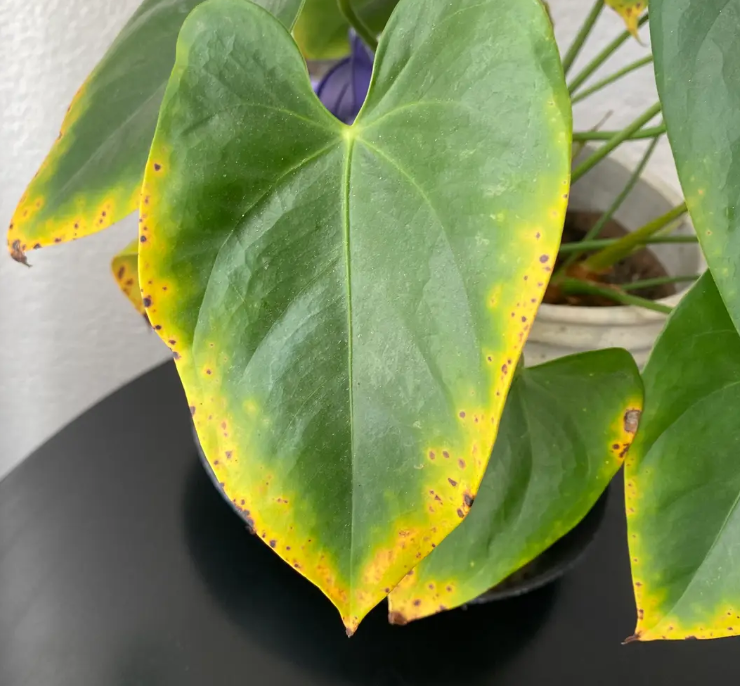
Cause 4: Pest Infestations or Diseases
- Inspect leaves closely: Are there tiny pests like spider mites or mealybugs?
- Check for spots, mold, or unusual textures on leaves.
- Pests weaken plants, leading to yellowing and leaf drop.
How to Tell Which Cause Applies to Your Plant
- Overwatering signs: soggy soil, rotting roots, consistently wet soil.
- Underwatering signs: dry soil, wilting, crispy leaves.
- Lighting issues: pale, leggy growth or scorched patches.
- Nutrient deficiencies: pale or small leaves, starting at the bottom.
- Pests/disease: visible pests, spots, or mold. Accurate diagnosis is key to applying the right treatment.
Section 3: Treatment Solutions
Immediate Actions: Adjusting Watering Habits, Improving Drainage, Relocating to Better Light
- Overwatering: Allow the soil to dry out before watering again. Ensure your pot has drainage holes. Consider repotting if the roots are rotted.
- Underwatering: Water thoroughly when the top inch of soil feels dry.
- Lighting: Move your Anthurium to a spot with bright, indirect light—near an east or west-facing window is ideal.
Long-term Treatment: Fertilization, Pest Control, Pruning Damaged Leaves
- Use a balanced, water-soluble houseplant fertilizer every 6-8 weeks during the growing season.
- For pests, gently wipe leaves with insecticidal soap or neem oil.
- Remove yellow or damaged leaves via pruning to promote healthy growth and prevent disease spread.
Monitoring During Recovery and Tips for Encouraging New Healthy Growth
- Keep an eye on soil moisture and maintain consistent watering.
- Adjust lighting as needed—avoid direct harsh sunlight.
- Be patient; new leaves should emerge healthy once the issue is resolved.
- Maintain good air circulation to prevent pests and diseases.
Section 4: Prevention Tips
Keep Your Anthurium Healthy to Prevent Yellowing in the Future
- Consistent Watering Schedule: Water when the top inch of soil is dry, and always check soil moisture before watering.
- Proper Lighting Conditions: Place your Anthurium in bright, indirect light. Avoid direct sunlight, which can scorch leaves.
- Regular Fertilization: Feed your plant with a balanced houseplant fertilizer during the active growing season to ensure it receives necessary nutrients.
- Routine Pest Checks and Good Airflow: Regularly inspect for pests and ensure good airflow around your plant to reduce humidity buildup that fosters disease. By following these preventative measures, you can minimize the chances of yellow leaves and keep your Anthurium thriving.
Conclusion
Yellow leaves in Anthuriums can stem from various causes—ranging from watering issues and lighting problems to nutrient deficiencies and pests. The key is careful diagnosis: observe your plant’s environment, inspect its roots and leaves, and identify specific symptoms. With targeted treatment and consistent care, your Anthurium can recover beautifully. Remember, don’t worry—plants are resilient, and with a little patience and attention, your indoor garden can flourish once more. Start applying these troubleshooting tips today, adjust your care routine, and watch your Anthurium regain its vibrant, glossy foliage!
FAQ
Q: How long until I see improvement after adjusting care?
A: Typically, you can expect to see signs of recovery within a few weeks—new healthy leaves may start emerging, and existing yellowing leaves may gradually yellow and fall off. Consistent care and patience are essential.
Q: Can yellow leaves turn green again?
A: Generally, yellow leaves won’t turn green again. It’s best to prune them to encourage new, healthy growth. Focus on creating optimal conditions for your plant to produce fresh, vibrant foliage.
Q: Should I prune all the yellow leaves or only the damaged parts?
A: It’s advisable to prune only the yellow or damaged parts, especially if the leaves are still partly healthy. Removing heavily damaged leaves can help prevent disease and promote new growth.
By understanding the causes and following these practical tips, you’ll be well on your way to keeping your Anthurium healthy and beautiful. Happy gardening!