Struggling with leggy String of Pearls? Discover practical diagnosis tips and simple fixes to promote fuller, healthier growth for your plant.
Introduction
Noticing your String of Pearls growing long and sparse? You're not alone, and there's hope! Many indoor plant enthusiasts face this common challenge, especially with the delicate, trailing succulent known for its bead-like appearance. Leggy growth can make your beloved plant look stretched out and weak, but with some understanding and care, you can revive its lush, compact form. This comprehensive guide will help you identify the causes of leggy growth, diagnose your plant’s specific issues, and implement effective solutions. With patience and the right adjustments, your String of Pearls can regain its vibrant, bushy charm.
Section 1: Understanding the Problem
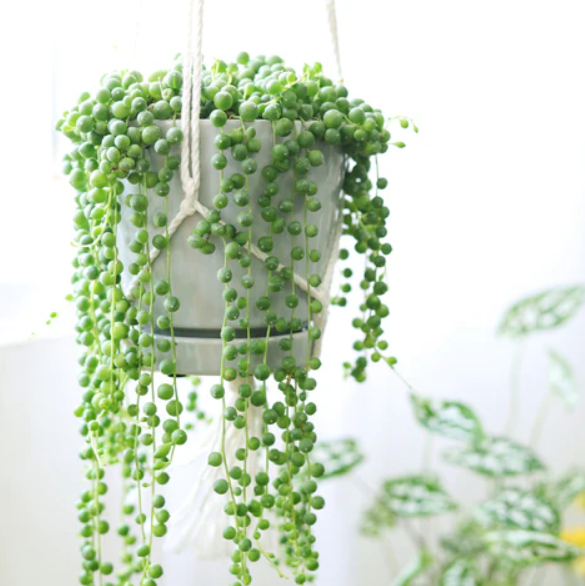
Visual Identification: What Does Leggy Growth Look Like?
Leggy String of Pearls plants typically exhibit:
- Long, sparse stems that extend further than usual
- Beads spaced widely apart on stretched stems
- Overall, a thinner and less bushy appearance
- Sometimes, the plant may be leaning or drooping due to weak stems
Why Does It Occur?
Leggy growth is usually a sign that your plant is stretching for light or experiencing suboptimal growing conditions. The main culprits include:
- Insufficient light
- Overwatering or poor drainage leading to root stress
- Nutrient deficiencies Understanding these causes forms the foundation for effective fixes.
Section 2: Diagnosing the Exact Cause
To fix the leggy growth, it's critical to find out what's causing it. Follow this step-by-step process:
Cause 1: Insufficient Sunlight
If your plant isn't getting enough light, it will stretch toward the nearest source, resulting in leggy stems. Look for:
- Pale or yellowish beads
- Very stretched stems with sparse beads
- The plant leaning toward windows or light sources How to confirm: Place your plant in a brighter spot—preferably near a south-facing window—and observe whether growth improves over time.
Cause 2: Overwatering or Poor Drainage
Excess water can weaken stems and damage roots, hindering healthy, dense growth. Signs include:
- Soft, mushy stems
- Roots that appear brown or rotten
- Soil that stays wet for too long How to confirm: Check the soil moisture level; if it's consistently wet, overwatering is likely the issue.
Cause 3: Nutrient Deficiencies
Lack of essential nutrients can cause slow, weak growth, contributing to legginess. Symptoms include pale beads and overall dull appearance.
How to tell which cause applies:
- Observe the plant’s position relative to light sources.
- Check the soil moisture and drainage system.
- Consider your fertilization routine. Once you identify the primary cause, you can tailor your treatment accordingly.
Section 3: Treatment Solutions
Immediate actions:
- Improve lighting: Move your String of Pearls to a brighter location or supplement with grow lights if natural light is limited.
- Adjust watering schedule: Let the soil dry out completely between waterings; ensure your pot has proper drainage.
- Prune leggy stems: Use clean scissors to trim back the elongated, weak stems. This encourages the plant to produce fuller growth.
Long-term care:
- Repot with proper soil: Use a well-draining cactus or succulent mix to prevent overwatering.
- Fertilize regularly: During the growing season (spring and summer), feed with a diluted cactus or succulent fertilizer monthly.
- Use grow lights: If natural sunlight is scarce, incorporate grow lights to provide consistent, adequate illumination.
During recovery:
- Monitor moisture levels: Check soil moisture often and water only when dry.
- Prune dead or damaged parts: Remove any brown or unhealthy stems to promote new, healthy growth.
- Maintain a stable environment: Keep your plant away from drafts or sudden temperature changes.
Section 4: Prevention Tips
Prevention is always better than cure. To keep your String of Pearls healthy and bushy:
Care routine adjustments:
- Consistent watering: Ensure you water only when the top inch of soil is dry.
- Proper fertilization: Use a succulent fertilizer during active growth periods to provide necessary nutrients.
- Regular pruning: Trim overgrown stems to encourage fullness.
Environmental factors:
- Optimal light: Place your plant where it can receive bright, indirect sunlight for at least 4-6 hours daily.
- Temperature and humidity: Keep your plant in a warm (65-80°F) environment and avoid excessive humidity, which can promote fungal issues. By adopting these best practices, your String of Pearls can maintain a dense, attractive appearance and continue thriving indoors.
Conclusion
Recap of diagnostic and treatment steps:
- Identify if your plant is stretching due to low light, overwatering, or nutrient deficiency.
- Adjust environmental factors accordingly: improve light, watering habits, and fertilization.
- Prune leggy stems to promote bushier growth.
- Repot into well-draining soil and consider supplemental lighting if needed.
Encouragement:
With some patience and proper care, your String of Pearls can regain its characteristic lush, bead-like fullness. Remember, each plant is unique, so observe and adapt your approach as needed.
Next steps:
Start by assessing your plant’s current lighting conditions. If it’s growing long and sparse, move it to a brighter spot and prune the leggy stems. From there, fine-tune your watering and fertilization routines to foster healthy, compact growth.
FAQ
Q: How long will it take to see improvement after fixing the problem?
A: Typically, you can expect to see noticeable changes within a few weeks—about 2 to 4 weeks—once you adjust lighting, watering, and pruning. Consistency is key to encouraging dense, healthy growth.
Q: Can I train my plant to grow denser?
A: Yes. Regular pruning encourages bushier growth by stimulating new stems. Additionally, providing plenty of light and optimal watering promotes dense, compact development.
Q: Is pruning necessary, and when should I do it?
A: Pruning is beneficial and necessary to remove leggy, weak stems. Best time to prune is during the active growing season (spring and early summer). Use clean, sharp scissors and cut just above a leaf node to encourage new branches.
Taking care of a String of Pearls with leggy growth can be a rewarding challenge. With understanding, patience, and attentive care, you'll nurture a lush, vibrant plant that adds beauty to your indoor space. Happy gardening!