Discover why your Rubber Plant's leaves curl and learn practical steps to diagnose, treat, and prevent this common issue with caring tips from experts. Having a healthy, vibrant Rubber Plant (Ficus elastica) is a delightful experience for indoor plant enthusiasts. However, encountering curling leaves can be concerning. It’s easy to worry that your beloved plant might be sick or about to decline, but in most cases, curling leaves are a sign that something needs your attention—and often, something you can fix with proper care. In this article, we'll explore why is my Rubber Plant having curling leaves, how to diagnose the cause accurately, effective treatment options, and proactive measures to keep your plant thriving. Rest assured, with a little insight and effort, your Rubber Plant can bounce back and become the lush centerpiece you love.
Section 1: Understanding the Problem
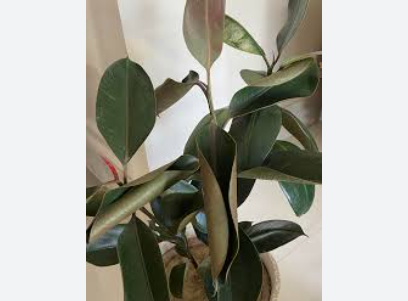
Visual Identification of Curling Leaves — Signs to Watch For
First, let's clarify what curling leaves look like. Common signs include:
- Edges or tips curling inward, sometimes appearing tight or wrinkled
- Leaves looking slightly puckered or crinkled
- Discoloration around the curled areas, like yellowing or browning
- Overall leaf distortion despite the plant's healthy growth otherwise These symptoms can vary from mild to severe, depending on the underlying cause.
Overview of Common Causes — Overwatering, Underwatering, Improper Environment, Pests, and Nutrient Deficiencies
Knowing why is my Rubber Plant having curling leaves requires understanding the usual suspects:
- Overwatering: Excess moisture can suffocate roots, causing them to rot and leading leaves to curl as a stress response.
- Underwatering: Dehydration causes leaves to lose turgor pressure, resulting in curling and drooping.
- Improper environmental conditions: Drafts, low humidity, or temperature fluctuations can lead to stress-induced curling.
- Pests: Spider mites, scale, or other pests inject toxins or suck sap, causing leaf deformation.
- Nutrient deficiencies: Lack of essential nutrients like magnesium or iron may weaken leaf tissues, leading to curling. Understanding these causes sets the foundation for effective diagnosis and treatment.
Section 2: Diagnosing the Exact Cause
Follow a step-by-step process to pinpoint whether overwatering, underwatering, pests, or environmental stress is the culprit.
Cause 1: Overwatering leading to root issues and leaf curling
What to look for:
- Soggy, waterlogged soil
- Roots appearing brown, mushy, or foul-smelling upon inspection
- Plant feels heavy or bloated Solution: Stop watering immediately, allow soil to dry out, and check roots for rot.
Cause 2: Underwatering causing dehydration stress
What to look for:
- Dry, crusty soil
- Very wilted or drooping leaves
- Leaves curling inward and feeling brittle Solution: Gradually improve watering habits, ensuring the soil remains moist but not soggy.
Cause 3: Environmental factors like drafts or low humidity
What to look for:
- Placement near vents, air conditioners, or heaters
- Noticeable dry air or fluctuating temperature conditions Solution: Move your Rubber Plant away from drafts, and consider using a humidifier or misting regularly.
How to tell which cause applies to your situation
- Check soil moisture using your finger or a moisture meter.
- Inspect roots if possible.
- Observe surrounding environment.
- Look for signs of pests. By systematically analyzing these factors, you'll identify the root problem accurately.
Section 3: Treatment Solutions
Implement targeted fixes depending on the diagnosed cause. Address immediate concerns and establish a recovery plan.
Immediate actions: Adjust watering habits, check for pests, improve humidity
- For overwatering: Remove the plant from excess water; let soil dry thoroughly.
- For underwatering: Water evenly until excess drains; avoid letting it sit dry.
- For pests: Use neem oil, insecticidal soap, or wipe leaves with a damp cloth.
- For low humidity: Mist leaves regularly, group plants together, or place on a humidity tray.
Long-term treatment plan: Consistent watering schedule, proper lighting, pest control, and fertilization
- Establish a regular watering routine—typically, water when the top inch of soil feels dry.
- Ensure your Rubber Plant receives bright, indirect sunlight.
- Fertilize once a month during the growing season with a balanced houseplant fertilizer.
- Continually monitor for pests and address issues early.
What to expect during recovery
- Leaves may gradually unfurl or regain firmness
- New growth will be healthier and more resilient
- Be patient—recovery can take a few weeks depending on severity
Section 4: Prevention Tips
Learn how to maintain appropriate watering, lighting, and humidity levels, and monitor environmental factors to prevent leaf curling.
Care routine adjustments: Regular watering checks, pruning, and fertilizing
- Use your finger or moisture meter to verify soil moisture before watering.
- Prune any severely curled or damaged leaves to encourage new growth.
- Fertilize monthly during the active growing season for balanced nutrition.
Environmental factors: Ensuring adequate light, humidity, and airflow
- Place your Rubber Plant in bright, indirect light for optimal health.
- Keep humidity levels above 40%, especially in winter; consider humidifiers or pebble trays.
- Ensure good airflow around the plant to prevent fungal issues and pest problems. Consistent care and environmental awareness are your best defenses against leaf curling.
Conclusion
Addressing curling leaves on your Rubber Plant involves understanding the causes, accurately diagnosing the problem, and applying targeted solutions. Whether it's adjusting watering habits, improving environmental conditions, or dealing with pests, each step brings your plant closer to health. Rest assured, with patience and attentive care, your Rubber Plant can recover and flourish again. Start by inspecting your plant and its environment today, then follow the outlined diagnostic steps to set it back on the path to vitality.
FAQ
Q: How long until I see improvement after fixing watering issues?
A: Usually, you can notice improvements within a few weeks. Fresh, healthy leaves should develop as the plant recovers, and curled leaves may gradually straighten out. Consistency in care is key.
Q: Can my Rubber Plant fully recover from persistent leaf curling?
A: Yes, if the underlying cause is addressed properly, most Rubber Plants can fully recover. However, if damage is severe or prolonged, some leaf distortion may remain, or new leaves might show signs of stress initially.
Q: When should I prune curled or damaged leaves to help recovery?
A: It's best to prune leaves that are entirely brown, yellowing, or severely curled and wilted. Use clean, sharp scissors or pruning shears, and do so early to encourage healthy new growth.
Taking these steps will empower you as a caring plant parent and help your Rubber Plant regain its lush, vibrant foliage. Remember, patience and attentive care are your best tools!