Discover how to fix yellow leaves on your ZZ plant with step-by-step diagnostics and practical tips. Keep your plant healthy and vibrant!
Introduction
Noticing yellow leaves on your ZZ plant can be worrisome, especially if you've been caring for it diligently. Rest assured—this is a common issue that many indoor plant enthusiasts encounter, and often, it’s easy to fix. Your ZZ plant, known scientifically as Zamioculcas zamiifolia, is appreciated for its low-maintenance nature, but even resilient plants can show signs of distress through yellowing leaves. In this guide, we'll explore the typical reasons behind yellow leaves, learn how to diagnose the actual cause, and discover effective solutions to restore your plant’s vibrant health. With a little patience and proper care adjustments, your ZZ plant can recover beautifully—so let’s get started!
Section 1: Understanding the Problem
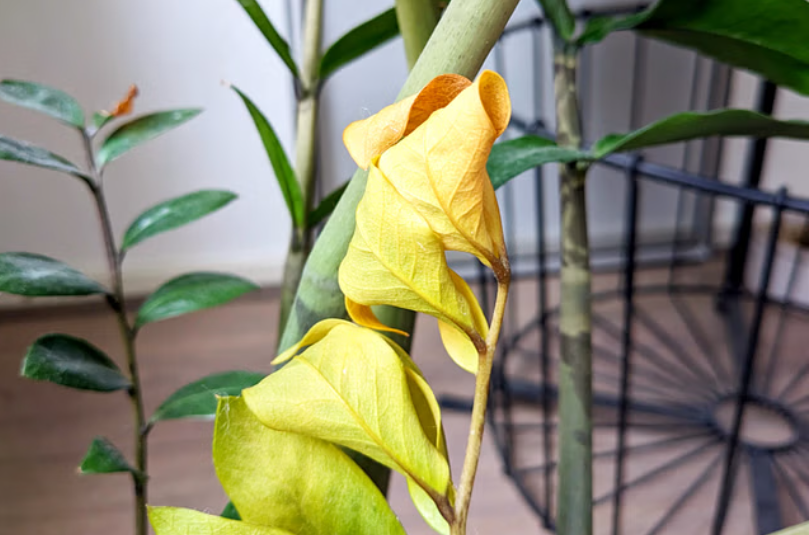
Visual Identification of Yellow Leaves
Yellow leaves on a ZZ plant are usually characterized by:
- Bright yellow or pale coloration that contrasts with healthy green foliage
- Leaves that appear dull, wilted, or show signs of browning at the tips
- Usually, the yellowing starts from the lower leaves but can spread upward if left untreated Recognizing these symptoms early allows for timely intervention, preventing further decline.
Overview of Common Causes
Several factors can lead to yellow leaves on your ZZ plant:
- Overwatering: Excess water can cause root rot, preventing the plant from absorbing nutrients properly.
- Improper Lighting: Too little light hampers photosynthesis, leading to yellowing.
- Nutritional Deficiencies: Lack of essential nutrients, especially nitrogen, can result in pale or yellow leaves.
- Stress Factors: Sudden changes in environment, repotting, or drafts may stress your plant, leading to leaf discoloration. Understanding these causes helps narrow down the specific issues affecting your plant.
Section 2: Diagnosing the Exact Cause
Step-by-step process to identify what's causing the yellowing:
Cause 1: Overwatering Leading to Root Problems
- Check the soil moisture. Is the soil consistently wet or soggy?
- Gently remove the plant from its pot to inspect the roots. Rotten roots are brown, mushy, and emit a foul odor.
- If root rot is evident, overwatering is the culprit.
Cause 2: Insufficient Light Exposure
- Observe your plant’s placement. Is it near a window with indirect light?
- ZZ plants thrive in bright, indirect sunlight; leaning into darkness can cause yellowing.
- If the plant is in a shaded corner, it may need more light.
Cause 3: Nutritional Deficiencies or Imbalance
- Has your plant been fertilized? An absence of nutrients, especially nitrogen, can cause leaves to turn yellow.
- Use a balanced, water-soluble fertilizer during the growing season for optimal health.
How to Tell Which Cause Applies to Your Plant
- Overwatering symptoms: soggy soil, rotted roots, yellow leaves starting from the bottom.
- Lack of light symptoms: pale, slow-growing leaves, weak stems.
- Nutritional issues: uniformly yellow leaves with no signs of root rot or poor growth elsewhere. By observing your plant and its environment carefully, you can pinpoint the main issue.
Section 3: Treatment Solutions
Immediate Actions: Fixing the Root Cause
- Adjust watering habits: Allow the soil to dry out completely before watering again. Ensure your pot has proper drainage.
- Improve lighting: Move your ZZ plant closer to a bright, indirect light source, avoiding direct sun which can scorch leaves.
- Correct nutrition: Feed your plant with a balanced fertilizer every 4-6 weeks during active growing seasons.
Long-term Care: Supporting Recovery
- Repot if necessary: If root rot is present, carefully trim affected roots and repot into well-draining soil.
- Maintain appropriate watering schedule: Water only when the top inch of soil feels dry.
- Monitor environmental factors: Keep your plant in a stable environment, avoiding drafts and sudden temperature fluctuations.
Monitoring Recovery: What to Expect During Healing
- New growth should emerge within a few weeks if the cause is addressed promptly.
- Yellow leaves that are severely damaged may not turn green again and should be pruned to encourage healthy new foliage.
- Regular care and patience are key to restoring your ZZ plant’s vitality.
Section 4: Prevention Tips
Maintain Proper Watering Habits and Soil Moisture Levels
- Water only when the top inch of soil feels dry.
- Use pots with drainage holes to prevent water accumulation.
Ensure Adequate Light, Preferably Bright Indirect Sunlight
- Place your ZZ plant near windows with filtered light or in well-lit rooms.
- Avoid direct sunlight that can scorch leaves.
Use Balanced Fertilization and Avoid Overfeeding
- Feed your plant during the growing season with a diluted balanced fertilizer.
- Do not over-apply fertilizers, as this can cause nutrient imbalance.
Regularly Check for Stress Signs and Adjust Care Accordingly
- Keep an eye on changes in color, growth, or leaf texture.
- Address issues such as drafts or sudden environmental changes immediately.
Conclusion
Recap: Proper watering, adequate lighting, and balanced nutrition are critical to preventing yellow leaves on your ZZ plant. Recognizing early signs and diagnosing the cause accurately allows for effective intervention. Encouragement: Remember, you can successfully revive your ZZ plant with attentive care and patience. Even stubborn yellowing can be reversed with the right steps. Next steps: Apply the diagnostic techniques and solutions outlined here. Keep observing your plant’s response, and continue refining your care routine. Before long, your ZZ plant will reward you with lush, vibrant foliage once again!
FAQ
Q: How long will it take for my ZZ plant to recover after fixing the issue?
A: Recovery times vary depending on the severity of the problem. Typically, you can expect new healthy leaves within 2-4 weeks if the cause is addressed promptly. Patience is essential, as some yellow leaves may not turn green again and should be pruned to promote new growth.
Q: Can yellow leaves turn back to green, or do I need to prune them?
A: Usually, once leaves turn yellow, they cannot turn green again. However, if the yellowing is caught early and the underlying cause is addressed, new healthy growth will emerge. Remove severely damaged or dead leaves to encourage better overall plant health.
Q: How often should I repot or prune my ZZ plant to promote healthy growth?
A: Repot your ZZ plant every 2-3 years or when it outgrows its current pot. Prune any yellow, dead, or damaged leaves regularly to direct energy toward healthier foliage. Always use clean, sharp tools and avoid over-pruning, which can stress the plant.
Maintaining a healthy ZZ plant is straightforward once you understand its needs. With attentive care, your indoor garden will flourish, bringing greenery and vitality into your space!