Discover why your ZZ plant's leaves turn pale and learn practical steps to diagnose, treat, and prevent this common indoor plant issue with expert tips.
Introduction
Noticing your ZZ plant's leaves are pale can be quite concerning—you might worry about your plant’s health or feel unsure about what’s going wrong. Rest assured, you're not alone. Many indoor plant enthusiasts encounter this issue at some point, and it's often fixable with a bit of care adjustment. This article will guide you through understanding why your ZZ plant’s leaves are turning pale, how to diagnose the root cause, and most importantly, how to effectively restore your plant’s vibrant green color. With patience and proper care, your ZZ plant can bounce back to healthy, lush growth.
Section 1: Understanding the Problem
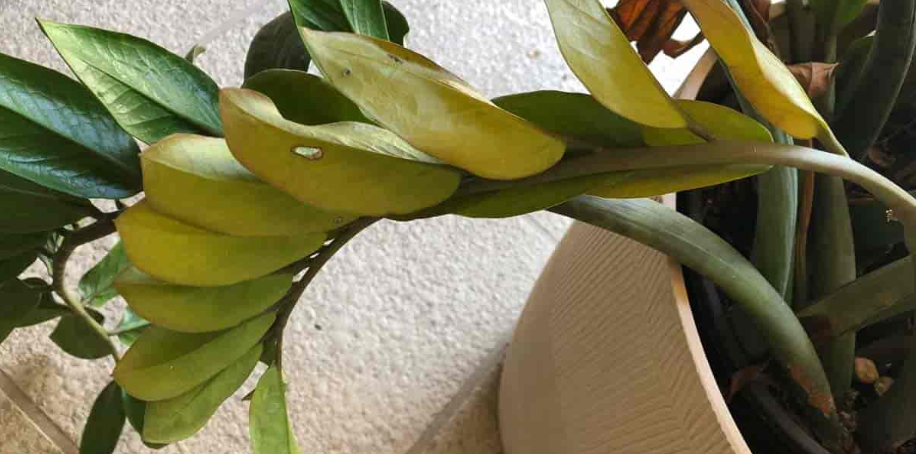
Visual Identification of Pale or Discolored Leaves
Pale leaves in a ZZ plant appear lighter than their natural dark green hue. They may look yellowish, bleached, or washed out. Sometimes, discoloration starts at the tips or edges and gradually spreads across the leaf surface.
Common Causes Overview
Several factors can cause pale leaves in your ZZ plant, including:
- Inadequate light: While ZZ plants tolerate low light, insufficient brightness can lead to pale, dull foliage.
- Watering issues: Overwatering can cause root rot, leading to poor nutrient uptake and pale leaves. Conversely, underwatering can cause stress and discoloration.
- Nutrient deficiency: Lack of essential nutrients, especially nitrogen, hampers chlorophyll production, resulting in paler leaves.
- Environmental stressors: Drafts, temperature fluctuations, or low humidity can also weaken the plant, leading to discoloration.
Section 2: Diagnosing the Exact Cause
Follow these steps to determine why your ZZ plant’s leaves are pale:
Cause 1: Insufficient Light – ZZ plants prefer bright, indirect light
- Check placement: Place your ZZ plant near a window with filtered sunlight or in a spot with bright, indirect light.
- Signs: If your plant has been in a very low-light environment, pale leaves are common as the plant struggles to produce enough chlorophyll.
Cause 2: Overwatering or Underwatering – Look for root health and watering habits
- Inspect roots: Carefully remove the plant from its pot to examine roots. Healthy roots are firm and white; brown or black, mushy roots indicate overwatering and root rot.
- Review watering schedule: ZZ plants prefer infrequent watering. Overwatering causes pale, mushy leaves, while underwatering causes wilting and dull leaves.
Cause 3: Nutrient Deficiency – Check fertilization routines
- Soil health: If your plant hasn't been fertilized in a while, it may lack essential nutrients.
- Symptoms: Pale leaves, especially new growth, can signal nitrogen deficiency.
How to tell which cause applies to your plant
- If the plant is in a dim corner, insufficient light is likely.
- If roots are rotted or waterlogged, overwatering is the culprit.
- Pale new leaves despite adequate light and watering may indicate nutrient deficiency.
Section 3: Treatment Solutions
Immediate actions: Adjust lighting, watering, or fertilizing as needed
- Increase light: Move your ZZ plant to a brighter location with indirect sunlight.
- Adjust watering: Let the soil dry out completely between waterings; reduce watering frequency.
- Fertilize: Apply a balanced, diluted indoor plant fertilizer every 4-6 weeks during the growing season.
Long-term care: Optimizing environment, consistent watering schedule, fertilization
- Lighting: Consistently provide bright, indirect light.
- Watering: Stick to a regular schedule—every 2-3 weeks, depending on humidity and temperature.
- Soil health: Use well-draining potting mix suitable for succulents or cacti.
- Fertilization: Maintain a steady feeding routine during spring and summer for healthy, vibrant leaves.
Monitoring recovery: Signs of improvement and when to seek further advice
- Look for fresh, dark green new leaves.
- Pale or discolored leaves may turn darker as the plant recovers.
- If symptoms persist despite care adjustments, consult a local plant expert or horticulturist.
Section 4: Prevention Tips
Keep your ZZ plant healthy and vibrant by following these care tips:
Proper lighting conditions and placement
- Position your ZZ plant near an east- or west-facing window.
- Protect it from direct midday sun, which can scorch leaves.
Consistent watering and humidity levels
- Water only when the top inch of soil feels dry.
- Maintain moderate humidity; if air is dry, consider placing a humidifier nearby.
Regular fertilization schedule and soil health
- Feed with a balanced, water-soluble fertilizer every month during the active growing season.
- Repot every 2-3 years to refresh soil and promote healthy root growth.
Environmental factors to monitor, like drafts or temperature fluctuations
- Keep your ZZ plant away from cold drafts, heaters, and air conditioning vents.
- Maintain a stable temperature between 65°F-75°F (18°C-24°C).
Conclusion
Recap of the importance of diagnosing the cause of pale leaves and the remedies available
Pale leaves in your ZZ plant are often a sign that something needs adjustment—be it lighting, watering, nutrition, or environment. By carefully diagnosing the root cause, you can tailor your care routine to promote healthy, lush foliage.
Encouragement
Remember, with attentive and consistent care, your ZZ plant can recover beautifully. It’s a resilient houseplant that responds well to nurturing and patience.
Next steps
Review your plant's current environment, make necessary care adjustments, and observe over the coming weeks. Your ZZ plant has the potential to regain its vibrant green and thrive once again!
FAQ
Q: How long until I see improvement after fixing care issues?
A: Typically, you can notice signs of recovery within 2-4 weeks. New growth should start appearing, and existing leaves may regain their deep green color if the cause was properly addressed.
Q: Can my ZZ plant recover fully from pale leaves?
A: Yes. If the underlying cause is corrected promptly, your ZZ plant can fully regain its healthy appearance. Remember to maintain consistent care to prevent recurrence.
Q: Should I prune or trim affected leaves to promote recovery?
A: Yes. Trimming severely discolored or damaged leaves can help redirect the plant’s energy to new healthy growth and improve its overall appearance.
By understanding what causes pale leaves and taking targeted action, you can ensure your ZZ plant remains a beautiful, resilient addition to your indoor space. Happy plant parenting!