Quick Summary: Sticky, shiny leaves on your Snake Plant can be alarming, but the good news is that most causes are manageable. Whether pests, environmental factors, or infections are at play, this guide will help you identify the problem and restore your plant’s health easily.
Introduction
Noticed your Snake Plant's leaves have suddenly become sticky? It’s understandable to feel worried — after all, healthy, vibrant foliage is what makes your plant so charming. Sticky leaves can seem like a sign of trouble, but often, this issue is common and fixable with a bit of care and observation. Many plant parents get overwhelmed when they see unexpected residues on their plants, but don’t fret: with some detective work and simple remedies, your Snake Plant can bounce back. In this article, we’ll explore what causes sticky leaves, how to recognize the reasons behind the problem, and practical solutions to get your plant looking fresh and healthy again. Whether it’s pests, excess humidity, or fungal issues, I’ll guide you through step-by-step so you can act quickly and confidently. Remember, your plant’s resilience is strong — a little attention now can save the day!
Section 1: Understanding the Problem
Visual Identification: Recognize Sticky or Shiny Residue on Leaf Surfaces
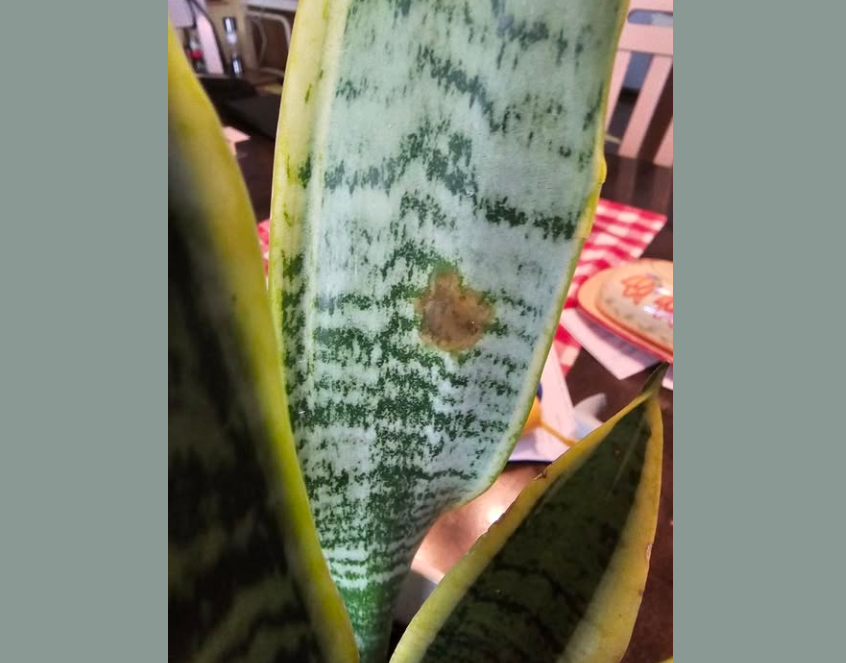
The first step is noticing the visual clues. Sticky leaves appear shiny or coated with a thin, transparent film. You might also find a sticky residue that can attract dust or dirt, making the leaves look dull or grimy despite their natural beauty. Sometimes, the stickiness might be more localized, with patches or streaks on the surface.
Common Causes Overview: Noticing if it’s Caused by Pests like Scale or Aphids, or Environmental Factors
Once you observe the sticky substance, try to identify its source. Two common causes are:
- Pest infestations (like scale insects, mealybugs, or aphids) that secrete honeydew, a sticky sap.
- Environmental factors such as overwatering, spills, or natural successional secretions that can create a shiny coat without pests. Understanding what’s behind the sticky leaves is key to choosing the right treatment. Let’s look into how to precisely diagnose the cause.
Section 2: Diagnosing the Exact Cause
Follow these steps to pinpoint why your Snake Plant has sticky leaves.
Cause 1: Pest Infestation (Scale Insects, Mealybugs, Sap-Sucking Pests)
Symptoms:
- Small, oval, or cottony pests that cling to leaf surfaces.
- Sticky honeydew covering leaves, especially near the base or underside.
-
Visible pests if you look closely, especially on leaf joints or stems. How to confirm:
-
Gently inspect the leaves with a magnifying glass.
- Look for tiny insects, cottony patches (mealybugs), or hard shells (scale).
-
If you see tiny movements or white waxy coatings, pests are likely the cause. Why it happens:
-
Overwatering creates a hospitable environment for pests.
- Low airflow and clutter can harbor insects.
Cause 2: Environmental Factors (Excessive Humidity, Spills, Natural Secretion)
Symptoms:
- Residue appears after watering or spillage.
- No visible pests.
-
Leaves may have a faint, natural gloss or secretion. How to tell:
-
Check if the sticky area is near recent watering spots.
- Avoid overwatering; Snake Plants prefer dry soil.
- Observe if the sticky coating is consistent with watering practices.
Cause 3: Fungal or Bacterial Infections Producing Sticky Substances
Symptoms:
- Sticky, gooey patches coupled with soft or discolored leaves.
-
Possible mold or fungal growth nearby. How to tell:
-
If residue is accompanied by soft, brown, or black spots, infection may be involved.
-
Use a clean cloth to wipe the patch; if you see discoloration or a foul smell, infection is likely. Decision Tree/Checklist:
-
Are there tiny pests or visible insect remains? → Pests
- Is the residue near recent water spills? → Environmental cause
- Is there soft, discolored, or moldy tissue? → Fungal/bacterial infection
- Are leaves shiny but pest-free? → Environmental secretion or natural gloss
Section 3: Treatment Solutions
Once you identify the cause, follow these effective remedies.
Immediate Actions (First 24-48 Hours):
1. Gently wipe off the residue:
- Use a soft, damp cloth or sponge.
- For stubborn spots, mix a mild soap solution (a few drops of dish soap in water).
-
Wipe leaves carefully, avoiding damage. 2. Inspect for pests:
-
Check leaf joints, undersides, and stems.
-
If pests are visible, prepare a treatment plan. 3. Isolate the plant:
-
To prevent spreading pests, keep your Snake Plant away from other houseplants.
Natural Remedies:
For pest infestations:
- Insecticidal soap or neem oil spray: Mix according to package instructions.
- Repeat every 7-10 days to ensure pests are eradicated.
-
For heavy infestations, consider applying horticultural oil (like neem oil) directly on pests and leaves. For environmental excess:
-
Reduce watering immediately.
- Wipe spills and avoid overwatering.
- Increase air circulation by placing the plant in a well-ventilated area.
-
Adjust humidity if it’s too high. Chemical Treatments (If needed):
-
Use systemic insecticides as a last resort, following labeling instructions carefully.
-
Apply fungicides only if fungal or bacterial infection is confirmed, such as copper-based products. For fungal or bacterial issues:
-
Use a copper fungicide or a bactericide specifically formulated for houseplants.
- Remove severely affected leaves with sterilized pruning scissors.
- Keep conditions dry and improve airflow.
Long-term Care:
- Regular inspection: Wipe leaves monthly with a damp cloth.
- Consistent watering: Allow soil to dry completely between watering.
- Proper light: Bright, indirect sunlight keeps your plant healthy.
- Maintain cleanliness: Remove dust and debris regularly.
What to Expect During Recovery:
- Pests will gradually disappear with regular treatment.
- The sticky residue will lessen and eventually vanish.
- Leaves should regain their natural matte or shiny appearance.
Section 4: Prevention Tips
Prevention is the best cure! Follow these simple steps to keep your Snake Plant free of sticky issues:
- Adjust your watering routine: Water only when the top inch of soil feels dry, typically every 2-6 weeks.
- Maintain proper humidity: Snake Plants prefer dry environments; avoid humid spots.
- Good airflow: Place your plant where air circulates well, preventing mold and pests.
- Regular leaf inspections: Wipe leaves monthly with a damp cloth, and look out for early signs of pests.
- Use well-draining soil: Prevent overwatering and root rot by using a sandy, chunky potting mix.
- Avoid spills on leaves: Be cautious when watering or cleaning to prevent unnecessary residues. Implementing these practices creates a healthy environment that discourages pests and fungal growth, keeping your Snake Plant thriving and beautiful.
Frequently Asked Questions
Q: How long until I see improvement after treatment?
A: Most pests start dying within a week, and residues clear up in 1-2 weeks if treatment is consistent. Keep inspecting regularly.
Q: Are sticky leaves harmful to my Snake Plant's health?
A: Yes, if caused by pests or infections, the stickiness can weaken the plant and promote disease. Removing pests and cleaning leaves are vital for health.
Q: Should I prune or remove severely affected leaves?
A: Yes, removing heavily infested or damaged leaves prevents the spread of pests or disease and encourages new, healthy growth.
Conclusion
Key Takeaways:
- Sticky leaves on your Snake Plant are often caused by pests, environmental factors, or infections.
- Proper diagnosis involves inspecting for pests, spills, or soft spots.
- Remedies include wiping leaves, applying natural or chemical pest controls, and improving environmental conditions.
- Preventive care like cautious watering, good airflow, and routine inspections helps keep your plant healthy.
- With patience and consistent care, your Snake Plant can recover beautifully. Remember, don’t be discouraged—many plant issues are fixable. Start by inspecting your plant today, follow these tailored treatment steps, and keep up with proactive prevention. Your plant’s health and your enjoyment are worth it!