Quick Summary: Leaf drop in your Snake Plant (Sansevieria) can be worrying, but don’t panic—most causes are simple to fix. By understanding the root issues and adjusting your care routine, you can help your plant bounce back to health and regain its vibrant, upright form.
Introduction
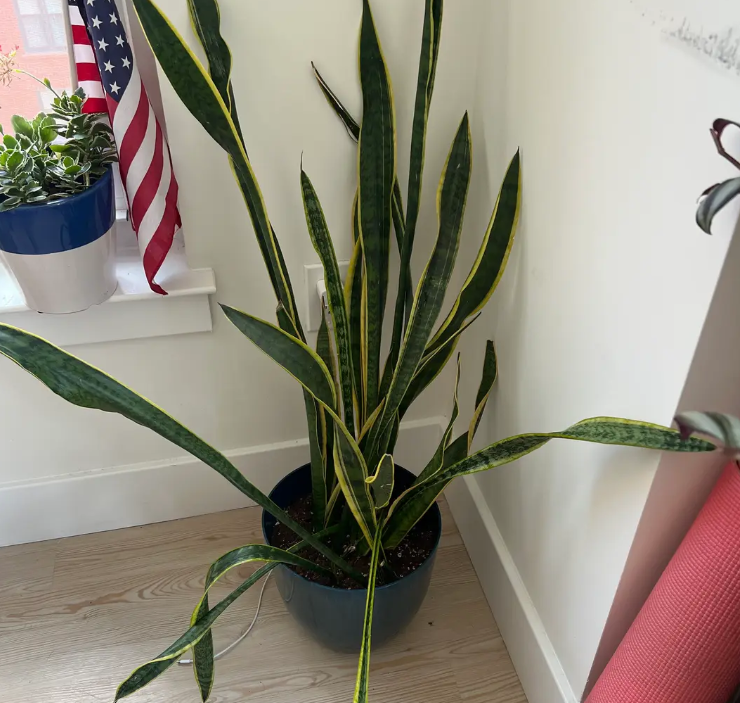
Noticing your Snake Plant shedding leaves can be a stressful experience—you love your plant, and seeing it lose its foliage makes you wonder what went wrong. Leaf drop, whether in the form of fallen leaves, yellowing, or dry tips, is a common concern among plant parents and often signals an underlying issue that’s fixable. The good news? With a little patience and some straightforward care adjustments, your Snake Plant can recover quickly. In this article, we’ll explore the main causes of leaf drop in Snake Plants. You’ll learn how to diagnose what’s specifically affecting your plant, receive step-by-step solutions to treat the problem, and discover simple prevention tips to keep your Snake Plant thriving for years to come. Remember, your plant’s health is a journey—most leaf drop is temporary and reversible with the right care.
Section 1: Understanding the Problem
Recognize What Leaf Drop Looks Like
Snake Plants typically have long, sword-shaped leaves that grow upright. When they start dropping leaves, you might notice:
- Fallen or drooping leaves on the soil surface or around the plant
- Yellowing or browning tips of the leaves
- Leaves that feel dry or crispy or look wilted
- A general thinning of the plant’s fullness While this can be alarming, it’s often a normal part of the plant's growth cycle or a response to environmental stress. Understanding these symptoms helps you act quickly and appropriately.
Why It Matters
Leaf drop can signal various issues, from overwatering to environmental changes. Ignoring these signs may lead to further stress or root damage, but catching problems early means you can take steps to restore your Snake Plant’s health.
Common Misconceptions
Many plant owners think leaf loss is always due to pests or disease. While pest damage can cause leaf problems, environmental factors like watering habits or draft exposure are often the main culprits. Identifying the correct cause is key to effective treatment.
Section 2: Diagnosing the Exact Cause
To effectively help your Snake Plant, you need to pinpoint why the leaves are dropping. Follow this step-by-step checklist:
Cause 1: Overwatering
- Symptoms: Soft, mushy roots when you gently pull the plant; foul smell from the soil; yellowing leaves that are soft and limp
- Why it happens: Snake Plants are drought-tolerant and dislike overly moist roots, which can cause root rot
- How to confirm: Gently remove the plant from its pot and inspect the roots—healthy ones are white or light tan and firm; rotten roots look dark, slimy, and foul
Cause 2: Underwatering
- Symptoms: Very dry, crispy leaves with brown tips; soil that feels parched several inches down
- Why it happens: If the soil is too dry for too long, leaves will dry out and eventually drop
- How to confirm: Check soil moisture; if the top inch or more is completely dry, underwatering is likely
Cause 3: Environmental Stress
- Symptoms: Sudden leaf drop after a change in location, drafts, or temperature fluctuations
- Why it happens: Exposure to cold drafts or sudden temperature drops stresses the plant, leading to leaf loss
- How to confirm: Recall recent changes—was it moved near a window draft or into a cooler spot?
How to Tell Which Cause Applies?
- Inspect the roots for softness or rot (overwatering)
- Feel the soil moisture (underwatering)
- Recall recent environmental changes (drafts, cold)
- Observe leaf condition—dry and crispy suggests underwatering; soft and yellow indicates overwatering
Section 3: Treatment Solutions
Once you identify the cause, follow these targeted steps:
Immediate Actions (First 24-48 Hours)
-
Adjust watering schedule:
-
If overwatering, allow the soil to dry out completely before watering again
- If underwatered, water thoroughly until excess drains out
-
Improve drainage:
-
Remove excess water from saucers
- Ensure your pot has adequate drainage holes
-
Relocate the plant:
-
Keep your Snake Plant in a stable environment—away from drafts, cold windows, or sudden temperature changes
Long-Term Treatment
- Water appropriately: Water only when the top inch of soil feels dry. For Snake Plants, this typically means every 2-6 weeks depending on humidity and season.
- Use well-draining soil: A cactus or succulent mix works great; you can add sand or perlite for better drainage.
- Maintain consistent light and temperature: Bright, indirect sunlight is ideal; keep temperatures between 65–85°F (18–29°C).
- Monitor soil moisture regularly to prevent future over or underwatering.
- Prune any severely damaged or fallen leaves using clean scissors—this encourages healthy new growth.
Natural Remedies and Chemical Options
- Neem oil can help prevent pests if you notice any, although pests are less common in leaf drop cases.
- Hydrogen peroxide (3%) diluted in water can be used to sterilize roots if root rot is present—apply carefully during repotting.
- Chemical fungicides are rarely necessary but can be used if fungal infections are diagnosed.
Recovery Timeline
Typically, you’ll see improvements within a few weeks, and new healthy leaves may begin to emerge in 2-3 months. Be patient and consistent—most leaf drop is reversible.
Section 4: Prevention Tips
Keep your Snake Plant happy and healthy with these proactive measures:
- Water only when the top inch of soil is dry—set a routine to check moisture levels weekly.
- Use a well-draining soil mix—avoid heavy, clay soils that retain too much moisture.
- Ensure proper pot drainage—no water should sit at the bottom.
- Place your plant in bright but indirect light—avoid direct scorching sun or low light.
- Maintain a stable environment: Keep away from cold drafts, air conditioning vents, and sudden temperature changes.
- Regularly inspect your plant for signs of pests or stress so issues can be addressed early.
Frequently Asked Questions
Q: How long does it take for a Snake Plant to recover from leaf drop?
A: Recovery varies, but with proper care, you can expect to see new growth in 2-3 months. Patience is key!
Q: Can I prune the fallen or damaged leaves? What's the best way?
A: Yes! Use clean, sharp scissors or pruning shears to cut off damaged leaves at the base. Removing dead tissue encourages healthy new growth.
Q: How can I prevent leaf drop caused by overwatering in the future?
A: Always check soil moisture before watering—wait until the top inch is dry. Use well-draining soil and avoid watering on a fixed schedule; instead, base watering on soil conditions.
Conclusion
Key Takeaways:
- Leaf drop often results from overwatering, underwatering, or environmental stress—most issues are reversible.
- Diagnosing the cause involves inspecting roots, soil moisture, and recent changes to the plant's environment.
- Adjust your watering routine, improve drainage, and keep your Snake Plant in a stable environment for quick recovery.
- Regular inspection and care routines help prevent future problems and keep your plant thriving. Remember, many plant issues are temporary, and your Snake Plant can bounce back with a little attention and patience. Start by diagnosing the cause today, make the necessary adjustments, and enjoy sourcing its vibrant, upright leaves once more. Your green friend will thank you!