Learn how to identify, diagnose, and treat white fuzz on your Philodendron. Expert tips to restore health and prevent future problems easily.
Introduction
Noticing white fuzz on your Philodendron? You're not alone—many indoor plant owners encounter this issue. It can be concerning to see fuzzy white growth covering your beloved plant, especially if you’re new to plant care. But don’t worry! With some simple identification and treatment strategies, you can bring your plant back to its vibrant, healthy state. This article will help you understand what white fuzz on your Philodendron means, how to diagnose the exact cause, and most importantly, how to fix it effectively. Whether it’s pests, mold, or environmental issues, we’ll guide you through practical solutions so your plant can thrive again. Remember: with patience and proper care, you can easily restore your plant’s natural beauty and health.
Section 1: Understanding the Problem
Visual identification of white fuzz and where it appears
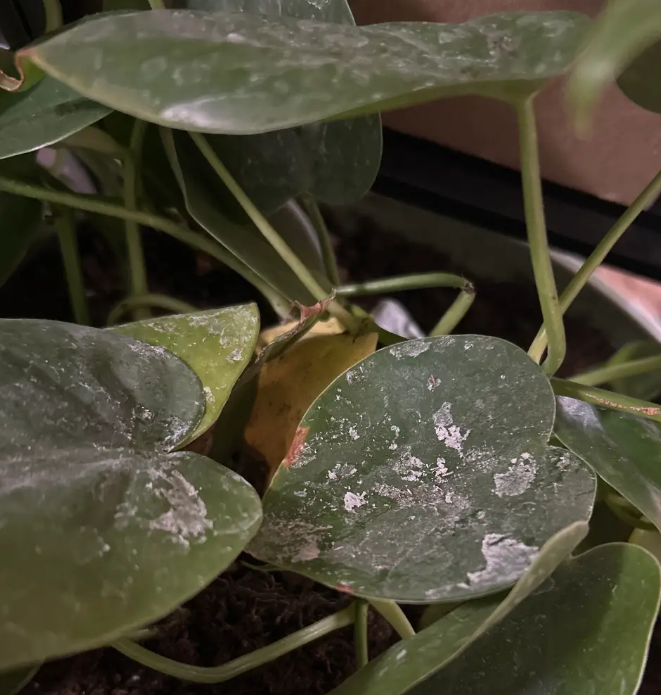
White fuzz on a Philodendron can look like tiny cottony or fuzzy patches covering the leaves, stems, or even the soil surface. It often appears as a soft, powder-like coating or clumps that are easily mistaken for dust but are more persistent and abnormal. Common areas to check include:
- The leaf surfaces, especially along veins or edges
- The stems and petioles
- The topsoil or potting media
Common causes overview: pests, fungal infections, or mold
The white fuzz can be caused by different issues, and correctly identifying the cause is critical to applying the right treatment.
- Pests (mealybugs): Small, soft-bodied insects covered with a white, cotton-like coating.
- Fungal infections (powdery mildew): A white, powdery fungal growth that spreads over leaves and stems.
- Mold or environmental mold: Often develops in high humidity environments, appearing as fuzzy or slimy white patches on the surface of the soil or plant parts. Understanding these causes helps you avoid unnecessary treatments and target the actual problem effectively.
Section 2: Diagnosing the Exact Cause
Follow a step-by-step process to determine what's causing the white fuzz on your plant
Cause 1: Mealybugs or pest infestation
Look for:
- Soft, cottony clumps, especially in leaf axils, nodes, or around the stems
- Tiny insects that may be moving or when disturbed
- Sticky residue or honeydew, which can attract mold or fungus
Cause 2: Fungal infections like powdery mildew or mold
Look for:
- A white, powdery substance on the surface of leaves or stems
- White fuzz that can appear in patches or cover large areas
- Slightly fuzzy texture that feels powdery or velvety
Cause 3: Environmental factors leading to mold growth
Check for:
- Fuzzy white patches on soil surface or around the base of the plant
- Excessively high humidity or poor airflow areas
- Dampness on leaves from overwatering or misting
How to tell which one it is: visual clues and inspection tips
- Insects present? If yes, likely pests like mealybugs.
- White powdery substance, especially powdery feel? Likely powdery mildew.
- Fuzzy patches on soil or in high humidity zones? Probably mold due to environment.
Use a magnifying glass if needed, and gently wipe or scrape a small area to examine the texture and look for insects or fungal growth.
Section 3: Treatment Solutions
Apply targeted fixes based on your diagnosis for effective recovery
Immediate actions: gently removing or wiping away the fuzz
- Use a soft, damp cloth or cotton swab to gently wipe away loose fuzz.
- For stubborn patches, lightly spray with water or a gentle solution to loosen the growth.
If pests are involved: use insecticidal soap, neem oil, or natural remedies
- Insecticidal soap: Mix as per instructions and spray thoroughly on affected areas.
- Neem oil: An effective natural remedy—dilute according to product instructions and spray on leaves, stems, and soil surface.
- Repeat treatments: Every 7-10 days until pests are eradicated.
If fungal or mold issues: apply antifungal treatments, improve airflow, reduce humidity
- Antifungal sprays: Use commercial fungicides labeled safe for indoor plants or natural alternatives like baking soda solutions.
- Increase airflow: Use a fan or reposition your plant in a well-ventilated area.
- Reduce humidity: Avoid misting and ensure the room’s humidity stays below 60%. Use dehumidifiers if necessary.
Long-term care: adjusting watering, lighting, and humidity to prevent recurrence
- Water only when the top inch of soil feels dry.
- Ensure your Philodendron gets bright, indirect light.
- Maintain consistent watering routines and avoid overwatering.
- Improve air circulation with spacing and gentle fans.
Recovery expectations: how long until you see improvement and regrowth
- Mild infestations or early fungal growth often improve within 1-2 weeks of treatment.
- For severe problems, consistency is key. Continue treatments and care routines, and expect visible improvements in 3-4 weeks.
Section 4: Prevention Tips
Implement simple practices to prevent white fuzz from returning
Regular inspection and cleaning of leaves
- Frequently check your plant for early signs of pests or mold.
- Wipe leaves with a damp cloth or soft brush bi-weekly to remove dust and prevent fungal spores from settling.
Maintain optimal watering and humidity levels
- Water only when necessary, avoiding overly damp soil.
- Keep humidity levels balanced—high humidity favors mold growth; use a hygrometer to monitor.
Ensure good airflow and avoid overwatering
- Position your Philodendron in a spot with good circulation.
- Use a small fan occasionally to keep air moving around the plant.
Use sterile soil and clean tools during repotting
- Always sterilize your tools.
- Use fresh, high-quality soil when repotting to prevent introducing pests or fungi.
Conclusion
Recap of key steps
Identifying, diagnosing, treating, and preventing white fuzz on your Philodendron are manageable steps with the right knowledge. Begin with a careful inspection to determine whether you’re facing pests, fungal infections, or environmental issues. Then, apply targeted treatments like insecticidal soap or antifungal sprays, combined with improved care routines.
Your successful plant care starts now
Don’t worry—most white fuzz problems are straightforward to solve with proper attention and care. Regular inspection, gentle cleaning, and maintaining optimal growing conditions are your best tools to keep your Philodendron healthy and vibrant.
What’s next?
Start with a careful inspection today. Remove any visible fuzz gently, then choose the appropriate treatment based on your diagnosis. With patience and consistent care, your plant will soon display its lush, healthy foliage once again.
FAQs
Q: How long until I see improvement after treatment?
A: Typically, you can expect to notice a reduction in white fuzz within 1-2 weeks after starting treatment. Consistency is key; for more stubborn issues, it may take 3-4 weeks of ongoing care to see full recovery.
Q: Can white fuzz cause my Philodendron permanent damage?
A: Most white fuzz, whether caused by pests or mold, is temporary and treatable. If caught early, your plant’s health can often be restored completely. However, prolonged neglect can lead to root damage or disease, so prompt action is essential.
Q: Should I prune parts of my plant affected by white fuzz?
A: Yes, if you notice heavily infested or badly affected leaves or stems, pruning the affected parts can help prevent spreading. Always sterilize your pruning tools before use and dispose of the debris properly.
With attentive care and a proactive approach, you can easily fix Philodendron white fuzz and keep your indoor garden thriving. Happy gardening!