Discover why your Calathea develops black spots, how to diagnose the cause, and effective natural and chemical remedies to restore its health.
Noticing black spots on your beloved Calathea can be worrying, but you're not alone—and this issue is often manageable. As a passionate indoor plant enthusiast, I understand how unsettling it can be to see those dark patches marring your plant’s vibrant leaves. Rest assured, with a little patience and knowledge, you can help your Calathea recover and thrive again.
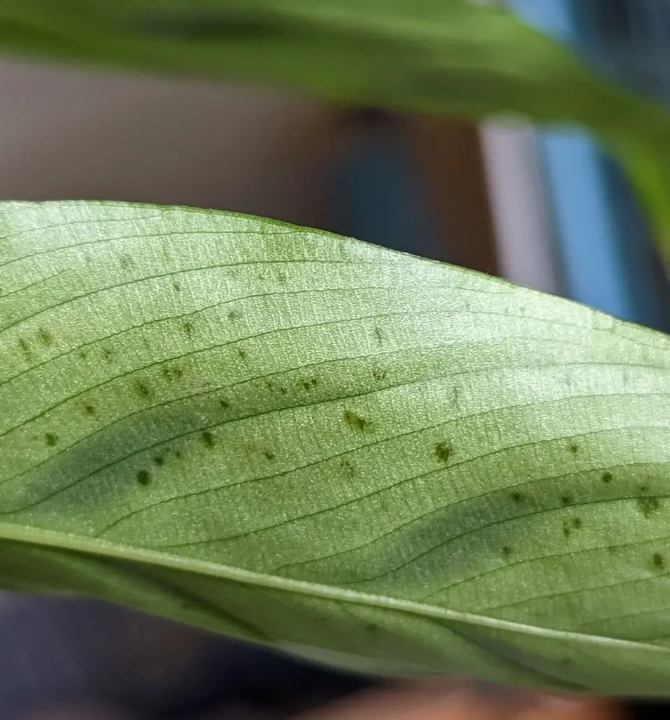
In this guide, we’ll explore the common causes behind black spots, how to accurately diagnose what’s affecting your plant, and the best treatment options—both natural and chemical—to restore its health. Remember, your Calathea is resilient, and with prompt care, it can bounce back beautifully.
Section 1: Understanding the Problem
Visual identification of black spots
Black spots on Calathea leaves usually appear as small, dark, irregular patches or lesions that may start as tiny dots and enlarge over time. They often have a slightly sunken or sunken appearance and can sometimes be surrounded by yellowing or browning edges. Sometimes, these spots are accompanied by other symptoms like leaf curling, browning tips, or wilting.
Common causes overview, including fungal and environmental factors
Black spots typically result from a few main issues:
- Fungal infections, such as leaf spot disease, which thrive in damp conditions.
- Overwatering, leading to root rot and subsequent leaf damage.
- Pest-related damage, caused by bugs like thrips or bacterial and viral infections.
- Environmental stressors, like too much direct sunlight or sudden temperature fluctuations, which can cause leaf scorch and darkening. Understanding these causes helps narrow down the diagnosis and choose the most effective treatment.
Section 2: Diagnosing the Exact Cause
Step-by-step process to determine whether fungal infection, overwatering, or pests are causing the black spots
Cause 1: Fungal infections such as leaf spot disease
Black spots due to fungi often appear as irregular lesions with fuzzy or powdery edges. The spots may enlarge and sometimes have a yellow halo. Fungal infections thrive in high humidity and poor airflow.
Cause 2: Overwatering leading to root issues causing leaf damage
If your Calathea is overwatered, the roots can develop rot, impairing the plant’s ability to nourish the leaves. In such cases, black spots may appear near the base of the leaf or along the veins, often accompanied by soft or mushy roots if checked.
Cause 3: Pest-related damage, like bacterial or viral lesions
Pests such as thrips or spider mites can cause black, speckled spots on leaves. Bacterial infections might present as water-soaked spots turning black, sometimes accompanied by sticky residue or webbing.
How to tell which cause applies to your plant
- Check the soil: Stay alert for signs of root rot like a foul smell or discolored, mushy roots.
- Inspect the leaves: Look for pests or tiny webs.
- Observe the spots: Fungal spots tend to be larger, with fuzzy edges; pest damage is often scattered and accompanied by insects or webbing.
- Monitor humidity and watering habits: Overly moist soil or inconsistent watering increases risk. Accurate diagnosis allows for targeted treatment, increasing the chances of recovery.
Section 3: Treatment Solutions
Immediate actions: isolating and cleaning affected leaves
First, quarantine your Calathea to prevent spreading. Use clean scissors or pruning shears to carefully trim away severely affected leaves, disposing of them away from your other plants. Clean your tools with rubbing alcohol afterward.
Natural remedies: Neem oil and hydrogen peroxide treatments
- Neem oil: Mix according to package instructions and spray onto affected leaves, focusing on the spots. Neem oil has antifungal and insecticidal properties.
- Hydrogen peroxide: Dilute 3% hydrogen peroxide with water (1 part peroxide to 2 parts water). Spray lightly on leaves to kill fungal spores and bacteria.
Chemical remedies: Fungicides if needed
For persistent or severe fungal infections, applying a fungicide labeled for houseplants can help. Always follow label instructions carefully to avoid damaging your Calathea.
Long-term care: proper watering, humidity control, and pest management
- Water smartly: Keep soil consistently moist but never soggy. Allow the top inch of soil to dry out before watering again.
- Maintain humidity: Calatheas love high humidity—consider using a humidifier or placing the pot on a tray with pebbles and water.
- Pest management: Regularly inspect leaves and stems for pests; use insecticidal soap if needed.
What to expect during recovery
With proper treatment, you should notice improvement within a few weeks. New leaves should appear healthy, and black spots should diminish. Patience is key.
Section 4: Prevention Tips
How to minimize black spots in the future and promote healthy Calathea growth
Adjust watering and humidity levels
Ensure you water only when the topsoil feels dry, and maintain humidity around 60–80% to prevent stress and fungal growth.
Maintaining good airflow and cleanliness
Keep your plant in a well-ventilated area and remove fallen leaves or debris promptly to reduce disease risk.
Regular inspections for pests and early intervention
Check your Calathea weekly for signs of pests or disease—early detection makes treatment easier.
Using well-draining soil and proper potting techniques
Choose a light, well-draining potting mix suitable for Calatheas, and ensure your pot has drainage holes to prevent waterlogging.
Conclusion
Recap of identifying, diagnosing, and treating black spots on Calathea leaves Black spots on your Calathea can stem from fungal infections, overwatering, pests, or environmental stress. Proper diagnosis involves inspecting the spots, roots, and overall plant condition. Treatments include removing affected leaves, applying natural remedies like neem oil, and adjusting care practices. Encouragement Remember, your Calathea is resilient and can recover with attentive care. Patience, consistency, and prompt action make all the difference. Next steps Start by isolating and trimming damaged leaves, then implement the appropriate natural or chemical treatments. Monitor environmental factors, adjust watering habits, and perform regular inspections. Your Calathea will thank you for your dedication!
FAQ
Q: How long until I see improvement after treatment?
A: Usually, noticeable improvements occur within 2–4 weeks. New, healthy leaves will start to grow, and black spots should diminish over time. Consistent care accelerates recovery.
Q: Can my Calathea fully recover from black spots?
A: Yes, especially if the cause is correctly diagnosed and treated early. While some damage may be permanent if spots are severe, most plants can regain health with proper treatment and care.
Q: Should I prune affected leaves, and when?
A: Yes, prune heavily affected leaves promptly to prevent spreading of fungal or bacterial infections. Do this as soon as you notice the spots and make clean cuts close to the base of the leaf stem.
With a little patience and attentive care, your Calathea will once again display its stunning, vibrant foliage. Happy gardening!