Struggling with black spots turning transparent on your ZZ Plant? You're not alone—many indoor plant enthusiasts, especially beginners, find this appearance concerning. The good news is that most issues are manageable once you understand the underlying causes and how to address them effectively. In this article, we'll explore why your ZZ Plant's black spots are turning transparent, how to diagnose the problem accurately, and practical solutions to restore your plant’s health. Remember, with timely care and a little patience, your ZZ Plant can bounce back and thrive again!
Understanding the Problem
Visual Identification of Black Spots and Transparency
When observing your ZZ Plant, you might notice black spots on the leaves or stems that seem to become translucent or transparent over time. These spots often start as small, dark pigmented areas but gradually lose their opacity, making the tissue appear see-through or papery. Sometimes, affected leaves may become brittle, yellow, or wilt, indicating a deeper problem. It’s important to distinguish between normal leaf aging and signs of distress. Healthy ZZ Plant leaves are usually firm, waxy, and uniformly green. Black spots that turn transparent are abnormal and signal underlying issues such as fungal infections, overwatering, or pest damage.
Common Causes Overview
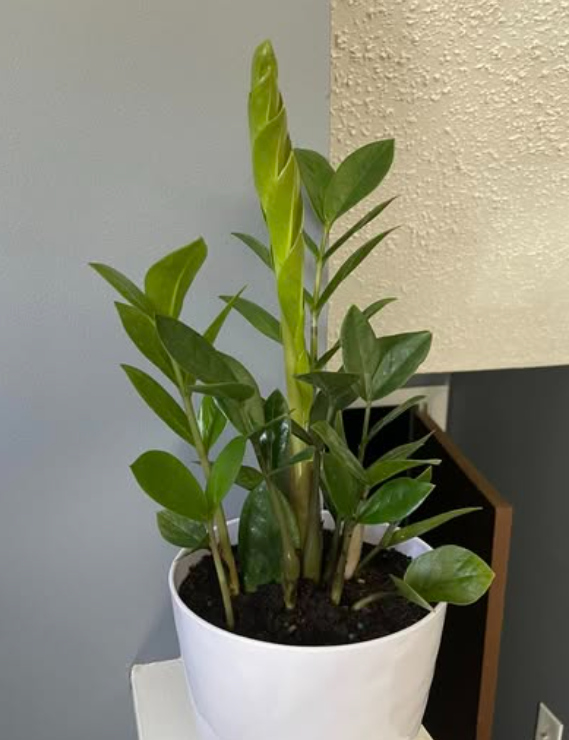
The main culprits behind black spots turning transparent on your ZZ Plant include:
- Fungal infections, particularly leaf spot diseases
- Overwatering, leading to root rot and tissue decay
- Pest damage, especially from sap-sucking insects like mealybugs or scale Understanding which of these causes applies to your plant is crucial for effective treatment. Let’s move on to how you can diagnose the specific problem.
Diagnosing the Exact Cause
Step-by-Step Diagnostic Process
To accurately identify why your ZZ Plant's black spots are turning transparent, follow these diagnostic steps:
Cause 1: Fungal infections, especially leaf spot diseases
- Check if black spots are irregular, with fuzzy or powdery growth around the edges.
- Examine if leaves are developing yellow halos or mottled patches.
- Fungal infections often thrive in high humidity and poor air circulation.
Cause 2: Overwatering leading to root and stem issues
- Feel the soil: Is it consistently wet or waterlogged?
- Look for soft, mushy stems or roots when you gently pull the plant.
- Overwatering causes tissues to decay, resulting in black, transparent spots as the affected tissue dies.
Cause 3: Pest damage or sap-sucking insects causing tissue death
- Inspect the undersides of leaves and stems for tiny insects like scale or mealybugs.
- Look for sticky residue or honeydew, which indicates pest activity.
- Pest damage causes localized tissue death, leading to black spots that may turn transparent as the tissue deteriorates.
How to tell which cause applies to your plant
- Fungal issues generally show irregular spots with possible fuzzy growth.
- Overwatering symptoms include soft, mushy stems, waterlogged soil, and widespread black spots.
- Pest damage involves visible insects, sticky residue, or speckled spots near pests. By carefully observing these signs, you can determine the primary cause and proceed with targeted treatment.
Treatment Solutions
Once you've diagnosed the cause, follow these treatment strategies:
Immediate actions: isolating the plant, removing affected leaves
- Isolate your ZZ Plant from other houseplants to prevent spreading.
- Use clean, sharp scissors or pruning shears to cut away severely affected leaves or stems.
- Dispose of contaminated plant material properly.
Fungal treatment options: neem oil, fungicides, reducing humidity
- Apply neem oil or a commercial fungicide to infected areas following the product instructions.
- Improve air circulation around your plant by placing it in a well-ventilated spot.
- Reduce humidity levels by avoiding over-misting and ensuring good indoor airflow.
Addressing overwatering: adjusting watering schedule, improving drainage
- Allow the soil to dry out completely before watering again.
- Use well-draining soil designed for succulents and cacti.
- Elevate the pot slightly to improve drainage and avoid water stagnation at the bottom.
Pest control: insecticidal soap, natural predators, manual removal
- Spray affected areas with insecticidal soap or neem oil to eliminate pests.
- Wipe pests off leaves with a soft cloth or sponge.
- Introduce natural predators like ladybugs outdoors or use sticky traps indoors.
Long-term care: proper watering, humidity control, and sanitation
- Establish a consistent watering routine: water only when the top inch of soil feels dry.
- Maintain moderate humidity levels; ZZ Plants prefer dry to moderate environments.
- Regularly inspect your plant for early signs of pests or fungal growth.
- Sterilize pruning tools before use to prevent disease spread.
What to expect during recovery and signs of improvement
- Over time, you should see new healthy leaves emerging.
- The black spots will diminish, and affected areas will become firm and green again.
- Patience is key—recovery can take several weeks depending on severity.
Prevention Tips
Prevention is always better than cure. Adopt these ongoing care strategies to keep your ZZ Plant healthy and free from black spots turning transparent:
Maintain proper watering and humidity levels
- Water sparingly; let the soil dry out between watering.
- Avoid over-misting and keep humidity moderate to low.
Ensure good air circulation and avoid overwatering
- Place your ZZ Plant in a well-ventilated area.
- Use pots with drainage holes to prevent water retention.
Regularly inspect for pests and early fungal symptoms
- Conduct weekly checks on leaves and stems.
- Remove any debris or dead plant material promptly.
Use clean tools and avoid plant stress
- Sterilize pruning shears before each use.
- Avoid relocating your plant frequently or exposing it to drafts.
Choose well-draining soil and avoid water stagnation
- Use soil specifically designed for succulents or cacti.
- Elevate your pot or add gravel to improve drainage.
Conclusion
In summary, black spots turning transparent on your ZZ Plant are signals that something isn’t right—be it fungal infection, overwatering, or pests. Accurate diagnosis, timely treatment, and consistent preventive care are essential to restore your plant’s health. Remember, most issues are manageable, and your ZZ Plant can recover beautifully with the right attention. Start today: inspect your plant carefully, remove affected foliage, address underlying problems, and adopt good care habits. Your green companion will thank you with vibrant, healthy growth!
FAQ
Q: How long does it take for my ZZ Plant to recover from black spots?
A: Recovery time varies depending on the severity of the problem. Mild cases may improve within a few weeks with proper treatment, while more severe damage might take several months. Consistent care and monitoring will speed up the healing process.
Q: Can I save my plant if the black spots have turned transparent and spread?
A: Yes, in many cases, you can save your ZZ Plant if you act quickly. Remove all affected tissue, treat any fungal or pest issues, and improve cultural conditions. If the damage is extensive, some stems may not recover, but new growth can replace lost foliage.
Q: Should I prune the affected leaves or stems immediately?
A: Absolutely. Pruning affected parts helps prevent the spread of disease and encourages healthy new growth. Always use sterilized tools and cut just above a healthy node or leaf joint.
Taking care of your ZZ Plant may require patience and attention, but with these tips, you’re well on your way to a healthier, more resilient indoor garden. Happy planting!