Noticing your Spider Plant's leaves are dropping can be worrying, but it’s a common issue with simple solutions. Whether you’re a beginner or have some experience caring for indoor plants, understanding why your Spider Plant is shedding leaves is the first step toward reviving its health. This article will help you identify the causes of leaf drop, diagnose your plant’s specific problem, and provide effective treatment and prevention tips. Rest assured, with proper care and adjustments, your Spider Plant can recover and thrive again.
Section 1: Understanding the Problem
Visual identification: What does leaf drop look like?
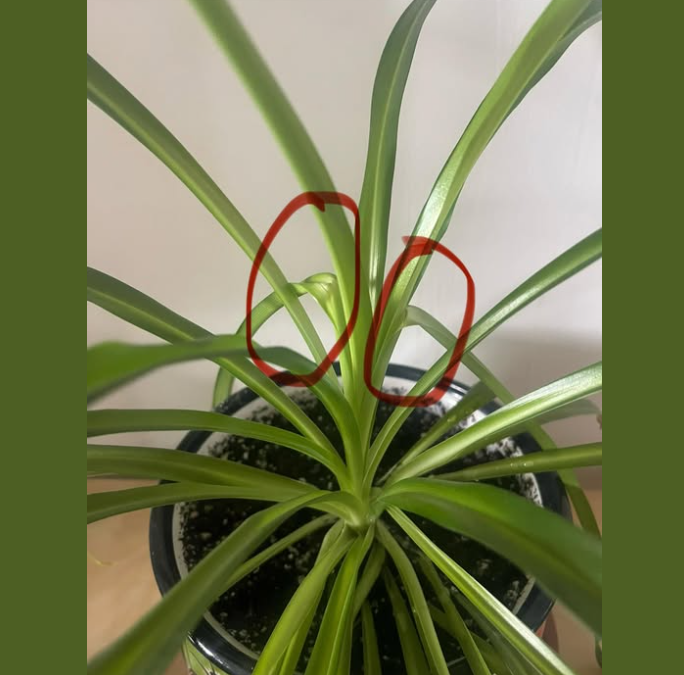
Spider Plants typically have long, arching leaves that grow in clusters. When leaf drop occurs, you might notice:
- Fallen leaves on the soil surface or floor beneath the plant
- Yellowing or browning leaves that eventually fall off
- Sparse foliage or a thinning appearance over time
- Drooping or wilting leaves before they drop These signs can indicate different underlying issues, so observing your plant closely is crucial.
Common causes overview: Stress, watering issues, environmental factors, pests, diseases
Several factors can cause leaf drop in Spider Plants, including:
- Watering problems (overwatering or underwatering)
- Inadequate light or temperature stress
- Pests and diseases
- Environmental conditions like low humidity or drafts
- Natural aging, where older leaves drop to make way for new growth Understanding these causes helps you diagnose the specific reason behind your plant’s leaf loss.
Section 2: Diagnosing the Exact Cause
Follow a step-by-step process to pinpoint the cause of your plant’s leaf drop
Cause 1: Overwatering or underwatering
Overwatering often leads to root rot, causing leaves to yellow, wilt, and drop. Conversely, underwatering results in dry, brittle leaves that fall prematurely. How to tell: Check the soil moisture. If the soil feels waterlogged and smells sour, overwatering is likely the culprit. If the soil is very dry and the leaves are crispy, underwatering is the issue.
Cause 2: Improper lighting or temperature stress
Spider Plants thrive in bright, indirect light. Too little light can weaken leaves, leading to leaf drop, while excessive direct sunlight may scorch leaves. How to tell: Observe the plant’s location. If it's in a dim corner or near a cold window draft, lighting or temperature stress might be causing leaf loss.
Cause 3: Pests or diseases
Common pests like spider mites, mealybugs, or scale can damage leaves, causing them to drop. Diseases such as fungal infections also lead to leaf symptoms. How to tell: Look for visible pests, webbing, or sticky residue. Discoloration, spots, or mold indicate disease.
How to tell which cause applies to your plant
Carefully examine your Spider Plant's environment, soil, and leaves. Cross-reference your observations with the above signs to identify the most likely cause.
Section 3: Treatment Solutions
Implement targeted fixes based on the diagnosed cause, with both immediate and long-term strategies
Immediate actions: Adjust watering, move to optimal light, remove pests
- Water properly: For overwatering, allow the soil to dry out completely before watering again. For underwatering, water thoroughly until excess drains out and maintain a regular schedule.
- Optimize lighting: Move your plant to bright, indirect light. Avoid harsh direct sun, especially during peak hours.
- Control pests: Use insecticidal soap or neem oil to eliminate pests. Wipe leaves gently and isolate the plant if infestation is severe.
Long-term care: Proper watering schedule, environmental adjustments, pest prevention
- Establish a watering routine: Water when the top inch of soil feels dry. During winter, reduce frequency.
- Maintain ideal environment: Keep the temperature between 65-75°F (18-24°C), and ensure higher humidity if your home is very dry.
- Regular inspection: Check leaves regularly for pests or disease signs and prune damaged parts promptly.
Recovery expectations: Signs of improvement and when to seek further help
With consistent care, you should see new leaf growth within a few weeks. Persistent leaf drop despite adjustments may require consulting a plant specialist or propagating healthier parts.
Section 4: Prevention Tips
Avoid future leaf drop by maintaining ideal growing conditions
Care routine adjustments: Consistent watering, fertilization, pruning
- Water consistently: Keep soil moist but not soggy.
- Fertilize: Feed monthly during the growing season with a balanced, water-soluble fertilizer.
- Prune: Remove yellow or damaged leaves to encourage healthy growth and prevent pests.
Environmental factors: Proper lighting, humidity, temperature stability
- Lighting: Provide bright, indirect sunlight for at least 4-6 hours daily.
- Humidity: Increase humidity with a pebble tray or humidifier, especially in dry indoor environments.
- Temperature: Avoid cold drafts or sudden temperature fluctuations. By creating a stable, suitable environment, you can greatly reduce the chances of leaf drop in your Spider Plant.
Conclusion
Recap of key steps: diagnose accurately, treat effectively, and prevent recurrence
To fix Spider Plant leaf drop, start by carefully diagnosing the cause—whether it’s watering, lighting, pests, or environmental stress. Implement targeted treatments promptly, then establish a consistent care routine to prevent future issues. Remember, most leaf drop is manageable, and with attentive care, your Spider Plant can bounce back to lush, vibrant health.
Encouragement
Don’t be discouraged if your plant shows signs of stress—plants are resilient, and with patience and proper care, your Spider Plant can recover beautifully.
Next steps
Apply the tips outlined here, monitor your plant regularly, and enjoy the process of nurturing a thriving indoor garden. Your efforts will reward you with a healthy, lively Spider Plant that brightens your home!
FAQ
Q: How long until I see my Spider Plant recover after treatment?
A: Typically, you can expect to see new leaf growth within 2 to 4 weeks after correcting care issues. Patience is key, as recovery times vary depending on the severity of the problem and your plant’s overall health.
Q: Can leaf drop be a sign of a serious problem?
A: Yes, persistent or excessive leaf drop, especially if accompanied by other symptoms like mold, pests, or severe yellowing, may indicate underlying issues such as root rot or disease. It’s important to diagnose and address these early to prevent long-term damage.
Q: Should I prune the fallen leaves or damaged parts?
A: Absolutely. Pruning yellow or damaged leaves helps the plant focus energy on healthy growth, improves appearance, and reduces the risk of pest infestations. Use clean, sharp scissors or pruning shears for best results.
With these insights and practical steps, you’re well-equipped to tackle Spider Plant leaf drop and enjoy a lush, thriving indoor garden. Happy planting!