Learn effective ways to diagnose and fix soft leaves in your Philodendron with practical solutions and prevention tips for healthy, vibrant indoor plants.
Introduction
Noticing soft, limp leaves on your beloved Philodendron can be quite worrying. As these tropical plants are generally admired for their lush, firm foliage, soft, drooping leaves might seem like a sign of trouble. However, with the right knowledge and care, most issues are fixable. Understanding what causes these soft leaves, how to diagnose the problem, and what steps to take can steer your plant back to health. Rest assured, with patience and proper attention, your Philodendron can regain its vibrant, firm leaves. This guide will walk you through everything you need to know to troubleshoot quickly and effectively, so let's begin!
Section 1: Understanding the Problem
Visual Identification: Limp, Wilted, or Mushy Leaves
Soft leaves in a Philodendron are usually limp, wilted, or even mushy to the touch. They may hang limply instead of standing upright, and sometimes, the leaf edges turn yellow or brown. These are signs that your plant's hydration or health is compromised.
Common Causes Overview
Several factors can cause soft leaves in your Philodendron. The most common are:
- Overwatering leading to root rot
- Insufficient watering or low humidity, causing dehydration
- Nutrient deficiencies or imbalances, weakening the plant
- Environmental stress, such as too cold or dry conditions Understanding these causes will help you identify what’s happening with your plant and choose the right remedy.
Section 2: Diagnosing the Exact Cause
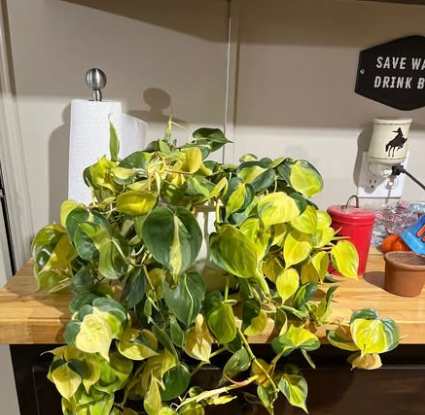
Follow a Step-by-Step Process
Accurately diagnosing the soft leaf problem is key to effective treatment. Here’s how to determine the main culprit:
Cause 1: Overwatering Leading to Root Rot
Signs: The soil feels very wet or soggy, and roots appear black or brown and mushy when you inspect the root ball. How to check: Gently remove the plant from its pot and examine the roots. Healthy roots are white or light tan and firm.
Cause 2: Insufficient Watering or Low Humidity
Signs: Soil feels dry several inches below the surface, and the leaves look wilted or droopy. How to check: Touch the soil; if it’s bone dry, the plant needs more water. Also, check the ambient humidity (ideal for Philodendron: 60-80%).
Cause 3: Nutrient Deficiency or Imbalance
Signs: Leaves may become soft, pale, or show uneven coloration. How to check: Consider your fertilization schedule; if not fertilized recently, a deficiency in nitrogen, magnesium, or other nutrients might be the cause.
How to Tell Which One Applies to Your Plant
Assess your watering habits, soil moisture level, root appearance, and environment:
- If roots are rotten, overwatering is likely.
- If soil is dry, and humidity is low, dehydration may be the cause.
- If leaves are pale or aging, a nutrient issue could be involved.
Section 3: Treatment Solutions
Immediate Actions
- Check soil moisture: Stick your finger about 2 inches into the soil. Water thoroughly if dry, but avoid soaking the soil.
- Inspect roots: Remove the plant from its pot and cut away any rotten roots with sterile scissors.
- Adjust watering: Allow the soil to dry out between waterings to prevent future root rot.
Long-term Care
- Improve soil drainage: Use a well-draining potting mix — ideally a combination of peat, perlite, and compost.
- Increase humidity: Place the plant on a humidity tray, group with other plants, or use a humidifier.
- Fertilize appropriately: Feed with a balanced, water-soluble houseplant fertilizer every 4-6 weeks during the growing season.
Recovery Expectations
With consistent care, your Philodendron’s soft leaves should gradually firm up as new, healthy foliage replaces damaged parts. It may take several weeks, but patience is key.
Section 4: Prevention Tips
To keep your Philodendron thriving and prevent future soft leaf issues:
Adjust Watering Routines and Ensure Proper Drainage
- Water only when the top inch of soil feels dry.
- Use pots with drainage holes to prevent water from accumulating.
Maintain Optimal Humidity Levels
- Keep humidity between 60-80% by misting or using humidifiers.
- Avoid placing the plant near drafts or heating/cooling vents that dry the air.
Regularly Inspect and Prune Damaged Leaves
- Remove any soft, yellowing, or dead leaves to promote healthy growth.
- Regular inspection helps catch problems early.
Use Appropriate Soil Mix and Fertilization Schedule
- Repot with well-draining soil periodically.
- Follow a consistent fertilization schedule suitable for tropical foliage plants.
Conclusion
Recap: Soft leaves in your Philodendron are often a sign of underlying issues like overwatering, dehydration, or nutrient deficiency. Proper diagnosis is essential to apply the appropriate care strategies. Encouragement: With patience, attention, and the right treatment, your plant can recover beautifully. Remember, healthy plants are resilient, and soft leaves are often reversible once their root cause is addressed. Next steps: Start by examining your plant thoroughly, diagnose the cause, implement targeted solutions, and continue monitoring your Philodendron’s progress. Before long, it will reward you with fresh, firm, and lush foliage!
FAQ
Q: How long does it take for soft leaves to become firm again?
A: Recovery time depends on the severity of the problem, but typically, new healthy leaves should start appearing within 4-6 weeks. Existing soft leaves may not recover fully, so focus on promoting new growth.
Q: Can I save my plant if the damage is extensive?
A: Yes, especially if the roots are still alive. Carefully remove any rotten roots, repot in fresh, well-draining soil, and adjust your care routine. It might take time, but many plants recover from major damage with proper attention.
Q: Should I prune the affected soft leaves immediately?
A: Yes. Removing mushy or yellowing leaves helps prevent disease spread and encourages the plant to direct energy into new healthy growth.
Feel confident in caring for your Philodendron—by diagnosing the issue accurately and providing targeted treatment, your indoor jungle will flourish once again!