Noticing sticky leaves on your Spider Plant can be worrying, but don’t fret—this common issue is usually solvable. Whether you’re a beginner or an experienced plant parent, understanding what’s causing the sticky residue and knowing how to address it can help your plant recover quickly. This guide will help you identify, diagnose, and treat sticky leaves on your Spider Plant, with practical tips to keep it healthy and vibrant. With a few simple steps, your plant can bounce back and thrive again.
Section 1: Understanding the Problem
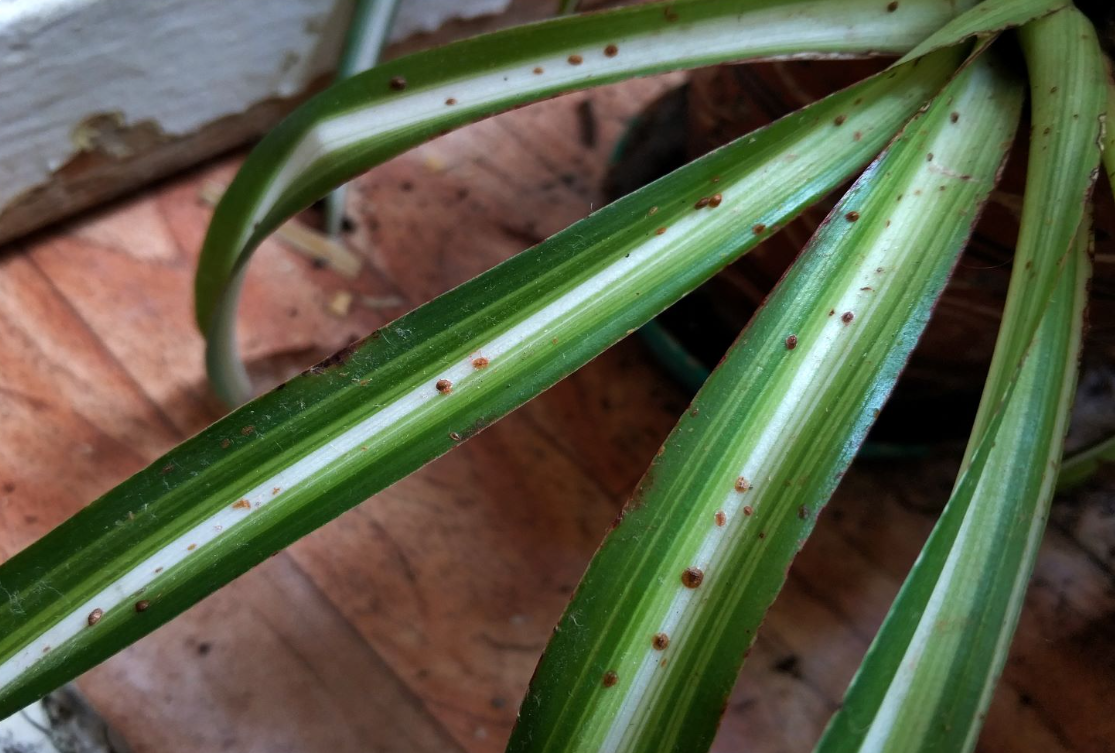
Visual identification of sticky leaves
Sticky leaves on a Spider Plant typically look shiny or tacky to the touch. When you run your fingers over the leaves, you might notice a thin, sticky film or residue that feels a bit like glue or sap. Sometimes, this residue can also appear as a glossy sheen or a sticky substance that attracts dust and dirt. In more severe cases, you might see a buildup of sticky shavings or residue on surrounding surfaces.
Common causes overview
The sticky issue on your Spider Plant’s leaves often stems from one of three main causes:
- Pest infestation: Tiny insects such as scale insects, mealybugs, or spider mites secrete sticky substances called honeydew.
- Sap secretion: The plant may produce excess sap or oozing caused by stress, injury, or response to environmental conditions.
- Fungal or bacterial infections: Some diseases produce sticky exudates as part of their infection process. Understanding which of these causes is affecting your plant is crucial to applying the correct treatment.
Section 2: Diagnosing the Exact Cause
Follow diagnostic steps
To effectively fix sticky leaves, you’ll need to determine what’s causing the problem. Here are some steps you can take:
Cause 1: Pest infestation (e.g., scale insects, mealybugs, spider mites)
- Inspect the underside of leaves and stems for small, moving pests or shell-like bumps.
- Look for tiny white, cottony, or brown insects that may be clustered around leaf nodes or attached to the plant surface.
Cause 2: Sap secretion due to stress or injury
- Check for physical damage or bruises on leaves or stems, which can trigger sap secretion.
- The plant may be responding to overwatering, underwatering, or sudden environmental changes.
Cause 3: Fungal or bacterial infections
- Look for discolored patches, mold, or fuzzy growth near the affected areas.
- Sticky fungal exudates may be accompanied by other symptoms like wilting or leaf spots.
How to tell which cause it is
- Presence of pests or eggs suggests an insect problem.
- Physical damage or signs of plant stress indicate sap secretion.
- Mold, fuzzy growth, or bacterial colonies point toward fungal or bacterial infections. Accurate diagnosis allows for targeted treatment, making it more effective and less disruptive to your plant's health.
Section 3: Treatment Solutions
Immediate actions
- Physically remove visible pests by gently scrubbing leaves with a damp cloth or a soft brush.
- Wipe the affected leaves with a mixture of soft soap and water or rubbing alcohol (diluted) to remove sticky residue and pests.
- Prune heavily affected leaves to prevent the spread of pests or infections.
Long-term treatment plan
- For pest control, use insecticidal soap or neem oil — apply according to product instructions, ensuring coverage on both sides of the leaves.
- Maintain proper watering practices: avoid overwatering or underwatering, and ensure your Spider Plant isn’t under stress.
- Provide good airflow and avoid overcrowding plants to reduce humidity and discourage pests.
What to expect during recovery
- You should see gradual improvement within a few days to weeks.
- Leaf surfaces will become less sticky, and new growth should appear healthy.
- Be patient—sometimes multiple treatments are necessary to eliminate pests completely.
Section 4: Prevention Tips
Care routine adjustments
- Regularly inspect your Spider Plant, especially the undersides of leaves, to catch problems early.
- Use proper watering techniques—allow the top inch of soil to dry out between waterings.
- Avoid over-fertilizing: excessive nutrients can stress the plant and promote pest attraction.
Environmental factors to monitor
- Maintain optimal humidity and airflow, as overly humid or stagnant environments are ideal for pests and disease.
- Avoid exposing your plant to stressful conditions such as sudden temperature changes or drafts, which can stimulate pest activity or sap secretion.
Conclusion
Sticky leaves on your Spider Plant are a common issue that can often be addressed with careful diagnosis and targeted care. By identifying whether pests, sap secretion, or infections are the cause, and then applying the appropriate treatment, you can restore your plant’s health and beauty. Remember, patience and consistent maintenance are key. With a proactive approach, you’ll be able to keep your Spider Plant thriving and free of sticky residue. Start inspecting your plant today, remove pests, and implement preventive measures to ensure ongoing health and vibrancy.
FAQs
Q: How long until I see improvement after treatment?
A: Typically, you can expect to see signs of recovery within a week or two. Pests will gradually diminish, and new leaves should grow free of sticky residue. Consistency in treatment and maintenance speeds up the process.
Q: Can I fully recover my Spider Plant’s leaves from sticky residue?
A: Yes, with proper care and treatment, most of the sticky residue can be removed, and new, healthy foliage will develop. However, heavily damage leaves may need to be pruned to promote new growth.
Q: Should I prune leaves that are heavily affected?
A: Yes, removing heavily infested or damaged leaves helps prevent the spread of pests or infections and encourages the plant to direct energy toward healthy growth. Always use clean, sharp scissors or pruning shears to avoid spreading disease.
Take action now: inspect your Spider Plant, tackle any pests or issues, and enjoy a healthy, lush indoor oasis. Your plant will thank you!