Noticing soft, drooping leaves at the bottom of your Fiddle Leaf Fig can be worrying, but it's often fixable. As a beloved indoor plant, the Fiddle Leaf Fig (Ficus lyrata) is known for its striking large leaves and lush appearance. When the bottom leaves become soft and droopy, it signals that something’s off in its care or environment. Fortunately, with some understanding and adjustments, you can help your plant recover and regain its vibrant health. This article will help you identify the causes of soft leaves, diagnose the specific problem affecting your Fiddle Leaf Fig, and provide practical solutions to restore its vitality. Remember, with patience and attentive care, your Fiddle Leaf Fig can thrive again!
Section 1: Understanding the Problem
Visual Identification of Soft, Bottom Leaves
Soft, bottom leaves on a Fiddle Leaf Fig often appear limp, drooping, or sagging. They may feel mushy or waterlogged when touched and sometimes show discoloration, such as yellowing or browning edges. These leaves are usually located at the plant’s lower part, and their condition can be an early sign of underlying issues.
Common Causes of Soft Leaves
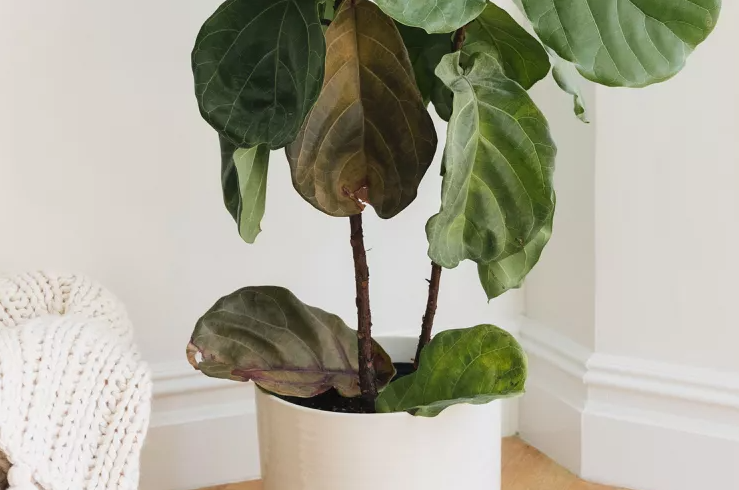
Understanding the primary reasons behind soft, drooping leaves helps you address the root cause effectively. The common culprits include:
- Overwatering: Excessive watering can lead to waterlogged soil, root rot, and poor oxygen supply to roots, resulting in soft, unhealthy leaves.
- Underwatering: Conversely, too little water causes dehydration, making leaves wilt and become soft.
- Low Humidity: Fiddle Leaf Figs prefer moderate to high humidity. Dry air can stress the plant, leading to softening of leaves, especially at the bottom.
- Root Issues: Root rot or damaged roots from pests or physical injury impair nutrient uptake, causing leaf softening and drooping.
Section 2: Diagnosing the Exact Cause
Step-by-Step Diagnostic Process
To effectively treat your Fiddle Leaf Fig, you need to determine what’s causing the soft, bottom leaves. Follow these steps:
Cause 1: Overwatering Leading to Root Rot or Waterlogged Soil
- Check soil moisture: Insert your finger about 1-2 inches into the soil. If it feels excessively wet or soggy, overwatering is likely.
- Inspect roots: Carefully remove the plant from its pot. Healthy roots are white and firm, while rotted roots are brown, black, or mushy.
- Look for foul smell: A musty or rotten odor indicates root rot.
Cause 2: Underwatering Causing Dehydration
- Check soil dryness: If the soil is dry several inches deep, and leaves are wilting without any sign of overwatering, underwatering might be the cause.
- Observe leaf texture: Dehydrated leaves may feel brittle or dry.
Cause 3: Low Humidity Resulting in Stress and Softening Leaves
- Assess air humidity: Use a hygrometer to measure the humidity level. Below 40%, your plant may struggle.
- Look for other stress signs: Browning leaf edges, dry tips, or leaf curling.
How to Tell Which Cause Fits Your Plant's Condition
The key is to combine soil moisture testing with visual cues and root inspection. For instance, soggy soil and rotted roots point to overwatering, while dry soil and brittle leaves suggest underwatering. Low humidity signs include dry leaf edges and overall drooping without soil issues.
Section 3: Treatment Solutions
Once you've identified the cause, implementing targeted fixes can help your Fiddle Leaf Fig recover.
Immediate Actions
- Adjust watering habits: Water only when the top inch of soil feels dry. Ensure you’re not over- or underwatering.
- Repot if necessary: If root rot is present, gently trim away rotted roots with sterilized scissors and repot into fresh, well-draining soil.
- Increase humidity: Use a humidifier, pebble tray, or mist the leaves regularly to boost moisture in the air.
- Improve drainage: Ensure your pot has drainage holes and use a soil mix designed for Fiddle Leaf Figs, rich in organic matter but well-draining.
Long-term Treatment Plans
- Establish a consistent watering schedule: Typically, watering every 1-2 weeks depending on season and environment.
- Maintain optimal humidity: Keep indoor humidity around 50-60% for healthy foliage.
- Regularly inspect roots: Check periodically for early signs of rot or pests.
- Optimize light conditions: Bright, indirect sunlight helps strengthen the plant and encourages healthy growth.
Monitoring Plant Recovery
Observe the plant over subsequent weeks. Signs of improvement include firmer, more vibrant leaves, upright growth, and overall sturdiness. Patience is key, as recovery may take time.
Section 4: Prevention Tips
Prevention is better than cure. Here are strategies to keep your Fiddle Leaf Fig healthy and avoid soft, drooping leaves in the future:
Adjust Watering Routines
- Water only when the topsoil is dry.
- Use potting mixes with excellent drainage.
- Avoid letting the plant sit in standing water.
Maintain Optimal Humidity
- Use humidifiers or place a tray of water and pebbles near your plant.
- Group plants together to create a microenvironment with higher humidity.
Ensure Proper Drainage and Soil Quality
- Use pots with drainage holes.
- Repot periodically to refresh the soil and prevent compaction.
- Choose a high-quality potting mix formulated for Fiddle Leaf Figs.
Regular Inspection and Prompt Attention
- Check leaves and soil weekly.
- Act quickly at the first signs of stress or softening.
- Remove any damaged leaves to prevent disease spread.
Conclusion
Soft, bottom leaves on your Fiddle Leaf Fig can be concerning, but with careful diagnosis and appropriate care, most issues can be remedied. Whether caused by overwatering, underwatering, low humidity, or root problems, understanding the specific cause allows you to implement effective solutions. Don’t worry—by following these steps, you can help your plant recover and flourish. Start by diagnosing your Fiddle Leaf Fig’s condition, adjust your care routine accordingly, and watch it regain its health and beauty.
FAQ
Q: How long until I see improvement after fixing watering issues?
A: Typically, you should start noticing signs of recovery within 2-4 weeks after adjusting your watering habits and providing proper care. New, healthy leaves may emerge, and existing leaves should firm up and regain vitality over time.
Q: Can my Fiddle Leaf Fig fully recover from soft leaves?
A: Yes, if the underlying cause is addressed promptly and correctly, your Fiddle Leaf Fig can fully recover. It may take several weeks to months, depending on the severity of the problem, but with consistent care, your plant can regain its lush appearance.
Q: Should I prune the soft, bottom leaves or leave them to recover?
A: It's generally best to prune severely soft or rotting leaves to prevent disease spread and encourage new growth. Healthy leaves that are just soft but not damaged can often recover with improved care. Use sterilized pruning shears and remove only the affected parts.
By understanding your Fiddle Leaf Fig’s needs and acting promptly, you can ensure your plant stays healthy, vibrant, and beautiful for years to come!