Wondering why your Peace Lily has sticky leaves? You’re not alone—many indoor plant enthusiasts notice this puzzling issue and want to restore their plant’s health and beauty. Sticky leaves on a Peace Lily can be concerning, but don't worry: understanding the causes and knowing simple remedies can quickly get your plant back to thriving.
This guide aims to help beginner and intermediate plant lovers identify the root of sticky leaves, diagnose the problem accurately, and implement easy, effective solutions. With patience and proper care, your Peace Lily will soon regain its lush, vibrant appearance!
Section 1: Understanding the Problem
Visual Identification: What Do Sticky Leaves Look Like?
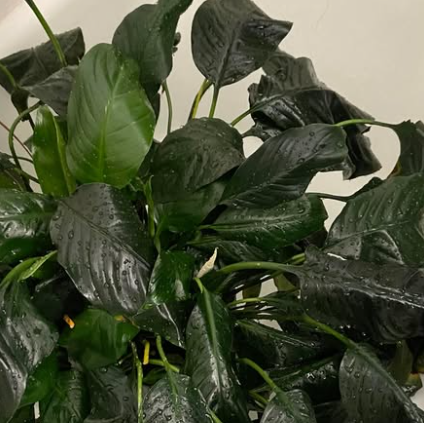
Sticky leaves on a Peace Lily are usually easy to spot. The affected leaves feel greasy or greasy to the touch, often exhibiting a shiny or greasy appearance, especially around the surface areas. The sticky residue can sometimes be white, yellowish, or clear, resembling a shiny film or grease on the leaves.
Common Causes Overview
While it’s tempting to think all sticky leaves come from one source, multiple factors could be responsible:
- Pest activity: Sap-sucking insects like scale insects, mealybugs, or aphids secrete a sticky substance called honeydew.
- Fungal issues: Certain molds, particularly sooty mold, develop on pest secretions, adding dark patches.
- Natural plant secretions or environmental factors: Some plants produce natural sticky substances, especially when stressed or facing environmental changes. Understanding these causes helps guide the next steps toward effective treatment.
Section 2: Diagnosing the Exact Cause
Follow a Step-by-Step Process
Accurately diagnosing the culprit behind sticky leaves is vital to choosing the right solution. Here's a practical approach:
Cause 1: Sap-Sucking Pests
Look for visible insects such as tiny shells (scale insects), cottony masses (mealybugs), or small green or black bugs (aphids). These pests often cling to the undersides of leaves or along stems.
Cause 2: Fungal Infections
If you notice black or dark patches along with the sticky substance, it might be fungal growth like sooty mold. Sooty mold feeds on honeydew secreted by pests, creating a black, soot-like coating.
Cause 3: Natural Secrets or Environmental Factors
In rare cases, the plant itself might excrete sap through stressed tissues, especially if over-fertilized or under inconsistent watering. Environmental changes like increased humidity can also sometimes cause sticky residues.
How to Tell Which One It Is
- Visible insects or eggs: High likelihood of pest infestation.
- Honeydew residues: Indicates pest activity.
- Sooty mold or fungal patches: Usually dark, powdery, or fuzzy patches on leaves or stems.
- Absence of pests or mold: Could indicate natural secretion or environmental stress.
Section 3: Treatment Solutions
Implementing Targeted Treatments
Once you identify the cause, apply specific remedies to eliminate the problem.
Immediate Actions
- Wipe leaves gently: Use a soft, damp cloth or a mild soap solution to wipe away the sticky residue and any visible pests.
- Apply insecticidal soap or neem oil: If pests are present, spray the affected areas thoroughly, ensuring to cover undersides of leaves and stems. Repeat every 7-10 days if necessary.
Long-Term Treatment
- Regular inspection: Check your Peace Lily weekly for signs of pests or fungal growth.
- Quarantine new plants: Prevent pests from spreading to your beloved Peace Lily.
- Improve airflow: Proper spacing and good ventilation help reduce humidity, discouraging fungal issues.
- Maintain proper watering: Avoid overwatering, which can stress the plant and promote pest and fungal problems.
What to Expect During Recovery
- Pests will diminish after repeated treatment, leaving leaves clean.
- Fungal growth will clear once the honeydew and mold are removed.
- Leaves will gradually regain their healthy, matte finish as the plant recovers from stress.
Section 4: Prevention Tips
Care Routine Adjustments
- Clean leaves regularly: Use a damp cloth weekly to remove dust and residues.
- Fertilize appropriately: Stick to recommended amounts to prevent excess sap secretion.
- Water carefully: Keep the soil consistently moist but not waterlogged, avoiding sudden fluctuations.
Environmental Factors to Monitor
- Maintain balanced humidity: Moderate humidity levels prevent stress-related secretions.
- Ensure good airflow: Position your Peace Lily in a well-ventilated spot.
- Inspect plants regularly: Catch issues early before they escalate.
Conclusion
Summarizing the Key Points
Addressing sticky leaves on your Peace Lily involves understanding whether pests, fungal infections, or natural secretions are responsible. By diagnosing accurately, applying targeted treatments—such as wiping leaves, using organic pest control, or adjusting care routines—you can effectively eliminate the stickiness and help your plant recover.
Encouragement
Patience is key—most issues are manageable with consistent, gentle care. Your Peace Lily can once again display its stunning, lush foliage, bringing a fresh burst of green beauty into your home.
Next Steps
Start by carefully inspecting your plant’s leaves and stems. Follow the diagnostic steps, then implement the suggested treatments. With a little effort, your Peace Lily will be happy, healthy, and sticky-free!
FAQ
Q: How long until I see improvement after treatment?
A: Typically, you should notice a reduction in stickiness within a week. Pests or fungal residues will diminish with repeated treatments, and new leaves should appear healthier over the following few weeks.
Q: Will my Peace Lily fully recover from pest or fungal damage?
A: Yes, with proper treatment and care, most Peace Lilies can recover completely. However, severely damaged or heavily infested leaves might need pruning to encourage new growth.
Q: Should I prune leaves that are heavily affected or sticky?
A: If leaves are extensively damaged, yellowed, or heavily covered with pests or mold, pruning can help prevent further spread and promote healthy new growth. Use clean, sharp scissors and dispose of pruning debris properly.
With these guidelines, you're well-equipped to fix Peace Lily sticky leaves effectively. Happy gardening!