Struggling with brown tips on your Anthurium? You're not alone. Many indoor plant enthusiasts notice their beloved plant developing dry, crispy edges on the leaves, which can be worrying. But don't fret—this is a common issue that often has simple solutions. With a little understanding and some practical care adjustments, you can help your Anthurium recover its lush, vibrant appearance. This comprehensive guide will walk you through the causes of brown tips, how to diagnose the exact problem, and effective fixes to restore your plant’s health. Rest assured, with patience and proper care, your Anthurium can bounce back and continue to brighten your indoor space.
Section 1: Understanding the Problem
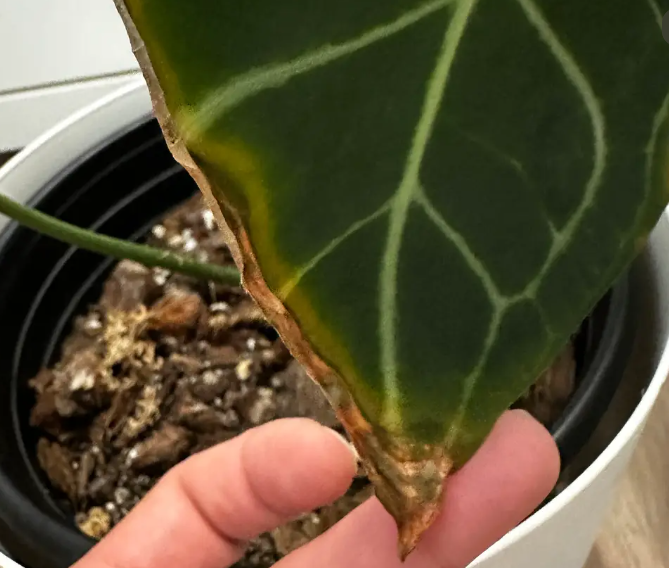
Brown tips on Anthurium leaves appear as dry, crispy edges that often look unhealthy and can spread if not addressed. Recognizing these symptoms early is key to preventing further damage and ensuring your plant stays happy.
Visual identification: recognizing brown tips and affected leaves
Typically, brown tips show up as edges of the leaves turning dry and brittle, with some leaves possibly developing small brown patches or spots. You might notice that the affected leaves are duller in color and feel rough to the touch. Sometimes, the browning starts at the tips and gradually moves inward.
Common causes overview: overwatering, underwatering, low humidity, salt buildup, or improper watering practices
Several factors can cause brown tips:
- Overwatering or underwatering: Both extremes can stress the plant, leading to leaf damage.
- Low humidity: Anthuriums prefer humid environments; dry air can cause leaf tips to brown.
- Salt buildup: Excess fertilizer or hard water can cause salts to accumulate in the soil, damaging roots and leaf tips.
- Improper watering practices: Watering with cold water or inconsistent watering schedules can also contribute. Understanding these causes helps you diagnose the specific issue affecting your plant.
Section 2: Diagnosing the Exact Cause
To effectively treat your Anthurium, you'll need to identify the root cause of the brown tips. Follow these steps:
Cause 1: Low humidity and dry indoor air
Indoor environments, especially during winter or in heated rooms, often have dry air that can cause leaf tips to brown. If your home has dry air, your Anthurium may struggle to absorb moisture through its leaves.
Cause 2: Excessive or infrequent watering leading to salt buildup or dehydration
- Overwatering can lead to root rot, preventing the plant from absorbing nutrients properly.
- Underwatering causes dehydration, making leaf tips dry out and turn brown.
Cause 3: Nutrient imbalance or salt accumulation from fertilizers
Over-fertilizing or using high-salt-content water can cause salts to build up in the soil, leading to leaf tip browning.
How to tell which one it is:
- Examine your watering habits: How often and how much do you water?
- Check humidity levels: Is your indoor air dry? Use a hygrometer if possible.
- Inspect the soil: Is it soggy or bone-dry? Does it have a crust or white salt deposits on the surface? By observing these factors, you can pinpoint the precise cause and tailor your care accordingly.
Section 3: Treatment Solutions
Once you've diagnosed the cause, implement targeted actions to help your Anthurium recover:
Immediate actions:
- Adjust watering schedule: Water only when the top inch of soil feels dry. Ensure proper drainage to prevent waterlogging.
- Increase humidity: Use a humidifier, place a pebble tray filled with water beneath the plant, or mist the leaves regularly.
Long-term treatment:
- Repot with fresh soil: If salt buildup or root rot is suspected, repot your Anthurium into fresh, well-draining potting mix.
- Flush salt buildup: Water the plant thoroughly with plain room-temperature water to wash away excess salts, allowing excess water to drain out completely.
- Balance fertilization: Use a balanced, diluted houseplant fertilizer during the active growing season (spring and summer). Avoid over-fertilizing.
During recovery:
- Monitor humidity: Keep the environment consistently humid, ideally around 60-80%.
- Water properly: Use room temperature, filtered water if possible, and avoid letting the soil stay soggy.
- Prune damaged leaf tips: Carefully trim away the brown, crispy edges with clean scissors to promote healthy new growth.
Section 4: Prevention Tips
Prevention is always better than cure. Keep your Anthurium healthy and free from brown tips by adopting these simple care practices:
- Maintain optimal humidity levels: Aim for 60-80%, especially during dry seasons.
- Water only when necessary: Check the top inch of soil before watering; avoid watering on a fixed schedule.
- Use balanced, diluted fertilizer: Feed your plant during the growing season, but don’t overdo it.
- Flush soil periodically: Every few months, water thoroughly to wash away accumulated salts.
- Keep an eye on environmental factors: Avoid placing your Anthurium near drafts, heaters, or air conditioners that can dry out the air.
Conclusion
Brown tips on Anthuriums are usually a sign of environmental stress or care issues that are entirely fixable. Whether it’s adjusting your watering habits, increasing humidity, or repotting with fresh soil, small changes can make a big difference. Don’t worry—your plant’s recovery is within reach with attentive care. Implement the recommended treatments, monitor your plant regularly, and adapt your care routine as needed. With patience and love, your Anthurium will regain its vibrant, healthy foliage and continue to be a stunning centerpiece in your home.
FAQ
Q: How long until I see improvement after fixing watering or humidity?
A: Usually, you can expect to see some new healthy leaf growth within a few weeks. The brown tips may not recover entirely, but with proper care, the plant will produce fresh, green leaves and overall look healthier.
Q: Can I prune the brown tips, and will it help the plant recover?
A: Yes, pruning the brown, crispy edges can improve the plant’s appearance and prevent the spread of damage. Use clean, sharp scissors or pruning shears and remove only the affected tissue. This encourages new, healthy growth.
Q: Are there natural remedies to prevent brown tips?
A: Maintaining proper humidity, watering correctly, and avoiding over-fertilization are natural ways to prevent browning. Additionally, misting the leaves or placing a humidifier nearby can help keep humidity levels optimal naturally.
Remember: Your Anthurium’s health depends on consistent, attentive care. With these insights and practical steps, you’re well on your way to a thriving, beautiful plant!