Noticing your ZZ plant's leaves curling can be worrying, but don't fret—this is a common issue that can be fixed. Whether you're a dedicated indoor gardener or just starting to enjoy plant care, understanding why your ZZ plant’s leaves are curling is key to restoring its health. This article will help you identify causes, diagnose the problem accurately, and provide practical solutions to bring your plant back to thriving condition. With the right care and adjustments, your ZZ plant will recover and flourish, displaying vibrant, sleek foliage once again.
Section 1: Understanding the Problem
Before jumping into fixes, it’s important to understand what curling leaves look like and why they might appear. Recognizing the symptoms and underlying causes is essential for selecting the right treatment.
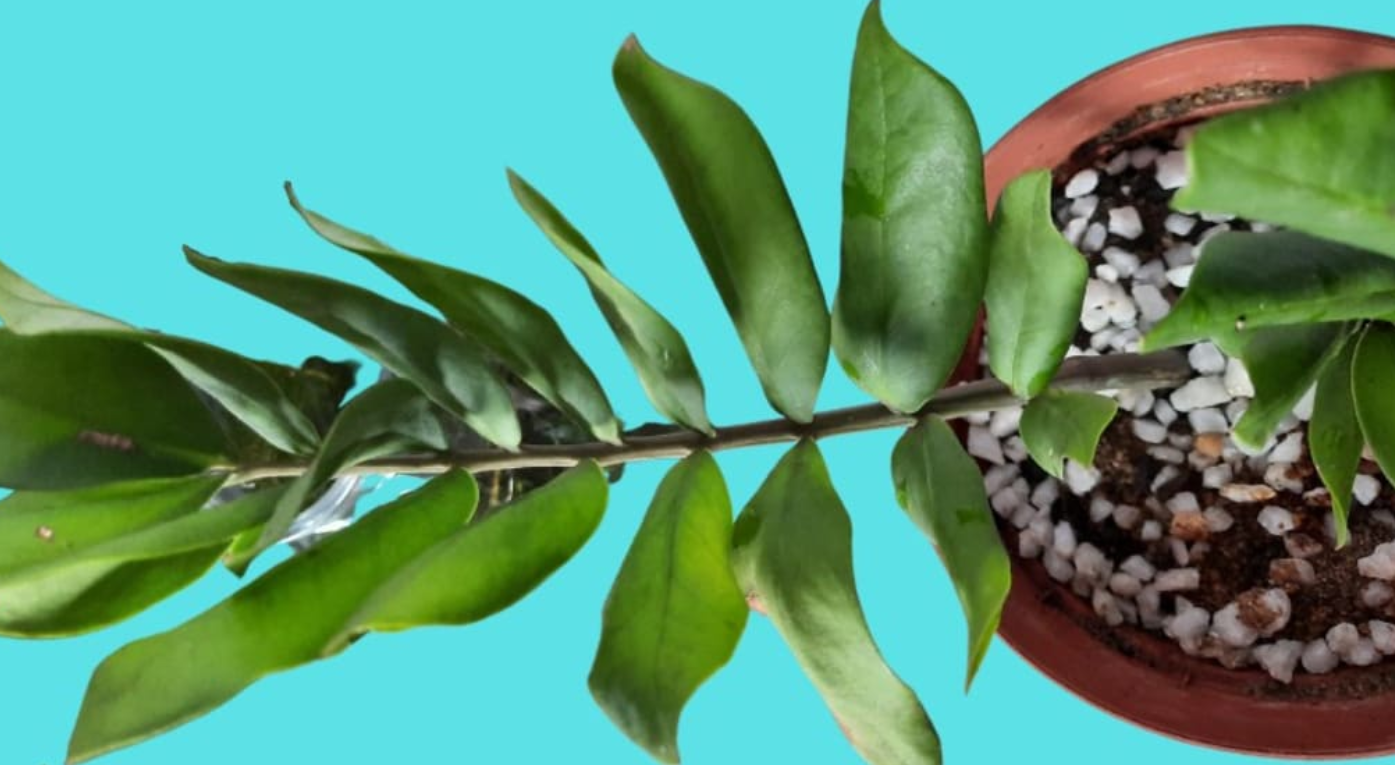
Visual Identification of Curling Leaves
Curling leaves on a ZZ plant typically manifest as either inward curling or stiff, rigid edges. You might notice:
- Inward curling: The leaf edges bend inward, almost like they are shrinking or wrinkling.
- Rigid, crispy edges: The leaves feel stiff or brittle, often turning brown at the tips.
- Discoloration: Sometimes, curled leaves may turn yellow or brown, indicating stress. Healthy ZZ plant leaves are usually sturdy, straight, and vibrant green. Deviations from this appearance signal a problem that needs addressing.
Common Causes of Curling
Several factors can cause curling leaves, with some of the most common including:
- Overwatering: Excess water can lead to root rot, causing the leaves to stiffen and curl.
- Underwatering: Drought stress makes leaves curl inward as the plant conserves moisture.
- Environmental stress: Extreme temperatures, low humidity, or drafts can trigger leaf curling.
- Pests: Infestations from infestations like spider mites or mealybugs can damage leaf tissues, resulting in curling.
- Inadequate light: Too little or too much direct sunlight can stress the plant, affecting leaf structure.
Section 2: Diagnosing the Exact Cause
Effective treatment begins with accurate diagnosis. Follow this step-by-step guide to identify what’s causing your ZZ plant’s curling leaves.
Cause 1: Overwatering Leading to Root Rot or Stiff, Curling Leaves
- Inspection: Gently remove the plant from its pot and examine the roots. Healthy roots are white and firm; rotted roots are brown, black, and mushy.
- Signs in foliage: Leaves may feel stiff, brittle, and curl inward as a response to root damage affecting water and nutrient uptake.
Cause 2: Underwatering or Drought Stress
- Inspection: Check soil moisture by feeling the top inch. Dry, crumbly soil indicates underwatering.
- Signs in foliage: Leaves curl inward tightly and may appear wilted, droopy, or discolored.
Cause 3: Low Humidity or Extreme Environmental Conditions
- Inspection: Observe your environment. Is the room arid, with heating or air conditioning running frequently?
- Signs in foliage: Dry, crispy leaf edges and inward curling are common symptoms.
How to Differentiate Causes Through Observation
- Root health: Remove a small section of soil at the base and look for rot to confirm overwatering.
- Soil moisture: Feel the soil — too dry suggests underwatering.
- Environment: Note temperature fluctuations and humidity levels.
- Pest inspection: Look closely for tiny pests or webbing on the undersides of leaves.
Section 3: Treatment Solutions
Once you’ve identified the cause, you can implement targeted fixes. Here’s how to address each scenario effectively:
Immediate Actions
- Adjust watering schedule: Water only when the top inch of soil is dry, ensuring proper drainage.
- Improve humidity: Use a humidifier or place a tray with water and pebbles near the plant.
- Relocate to optimal light: Place your ZZ plant in bright, indirect light, avoiding direct sunlight that can scorch the leaves.
Long-term Treatment
- If root rot is present: Repot the plant into fresh, well-draining soil and prune away any rotten roots with sterile scissors.
- Enhance watering practices: Maintain a consistent watering routine that keeps the soil moist but not soggy.
- Control environmental stress: Place the plant in a stable environment with moderate temperatures and humidity.
- Monitor your plant: Regularly inspect for pests, nutrient deficiencies, or changes in leaf appearance.
Recovery Expectations
- Leaves initially uncurling: You might see some leaves gradually unroll within a few weeks after fixing watering issues.
- New growth emergence: Expect fresh, healthy leaves to appear in 4-6 weeks, indicating recovery.
Section 4: Prevention Tips
Preventing curling leaves before they start is the best approach for a happy, healthy ZZ plant. Here are essential tips:
Consistent Watering Schedule
- Water only when the top inch of soil feels dry.
- Use pots with drainage holes to prevent water stagnation.
- Employ moisture meters for precise watering cues.
Monitoring Environmental Factors
- Ensure your ZZ plant is placed where it receives bright, indirect light.
- Maintain room temperature between 65-75°F (18-24°C).
- Use a humidifier or occasional misting in dry environments.
Regular Inspection
- Check for signs of pests weekly.
- Look for early symptoms of stress, such as leaf curling or discoloration.
- Remove dust from leaves to encourage healthy photosynthesis.
Proper Care Routine
- Fertilize lightly during the growing season with a balanced houseplant fertilizer.
- Keep potting soil well-draining and amend with perlite or sand if necessary.
- Repot every 2-3 years to refresh soil and check root health.
Conclusion
Proper diagnosis and attentive care can significantly improve your ZZ plant’s health, ultimately solving the issue of curling leaves. Remember, most leaf curling is a reversible sign of stress or imbalance. By carefully inspecting your plant, adjusting watering and environmental conditions, and adhering to preventive strategies, you’ll nurture a lush, vibrant ZZ plant that brings beauty to your indoor space. Start with a gentle inspection today—your plant’s recovery is just a few thoughtful steps away!
FAQ
Q: How long does it take for curled leaves to recover?
A: Recovery time varies depending on the cause and severity. Usually, you can see signs of improvement within 2-4 weeks once optimal conditions are restored. New, healthy leaves may start emerging in about 4-6 weeks.
Q: Can curling leaves be a sign of pests or disease?
A: Yes, pests like spider mites, mealybugs, or scale insects can damage foliage, causing curling and discoloration. Fungal infections may also stress the plant, leading to leaf curling. Regular inspection helps catch issues early.
Q: Should I prune severely curled or damaged leaves?
A: Pruning damaged or severely curled leaves is beneficial. Use clean, sharp scissors to remove these leaves at the base to encourage new growth and improve the plant’s overall appearance.
Your ZZ plant is resilient! With attentive care, proper diagnosis, and preventive measures, you’ll enjoy lush, healthy foliage in no time. Happy gardening!